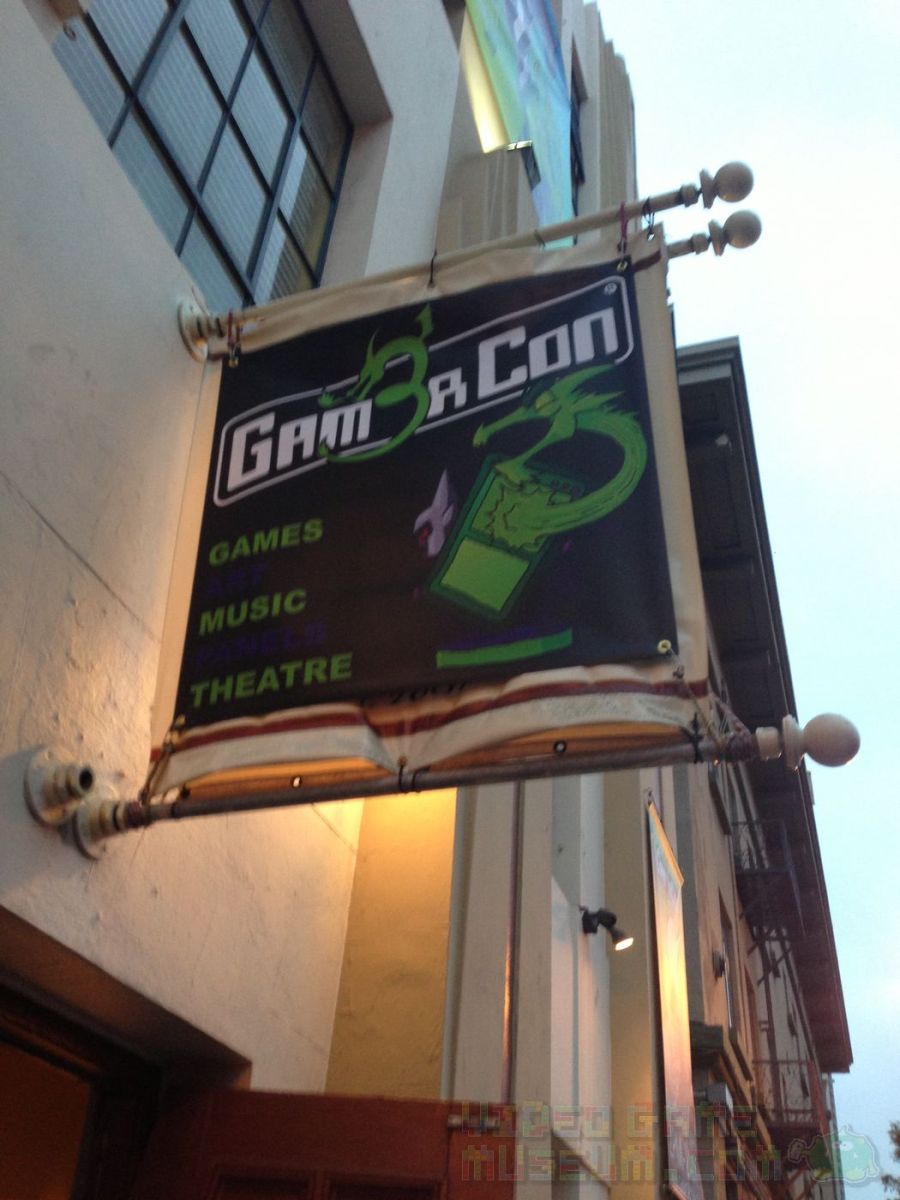
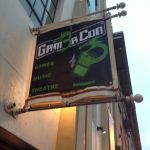
San Diego Comic Con is a beast.? It’s the biggest, baddest giant in town.? Yet, surprisingly, growing between its toes is an event called Gam3rCon!? Rather than withering in SDCC‘s shadow, Gam3rCon is thriving!
In some ways, I scratch my head that there are gamers who live in the San Diego area and don’t attend Comic Con.? Some are just not interested, or they’re interested but couldn’t get a ticket.? Others would attend SDCC but hate all the hype and crowds.
That’s where Gam3rCon comes in.? It’s small. It’s gaming.? It’s not Comic Con.? This was our first year to check it out, and I have to say I was impressed!
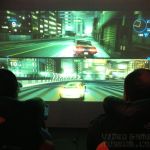
Ok, so Gam3rCon is small and independent…but not really that small.? These guys and gals rent out a five story building and pack it with an insane amount of content.? Upon entering, a gamer walks into an old church sanctuary that has been converted to a shrine to gaming with dozens of Xbox 360s and PS3s.? Shooters, fighters, and DoTA seemed to dominate the scene, while a driving simulator was projected on the wall.
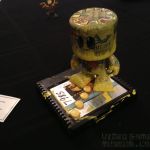
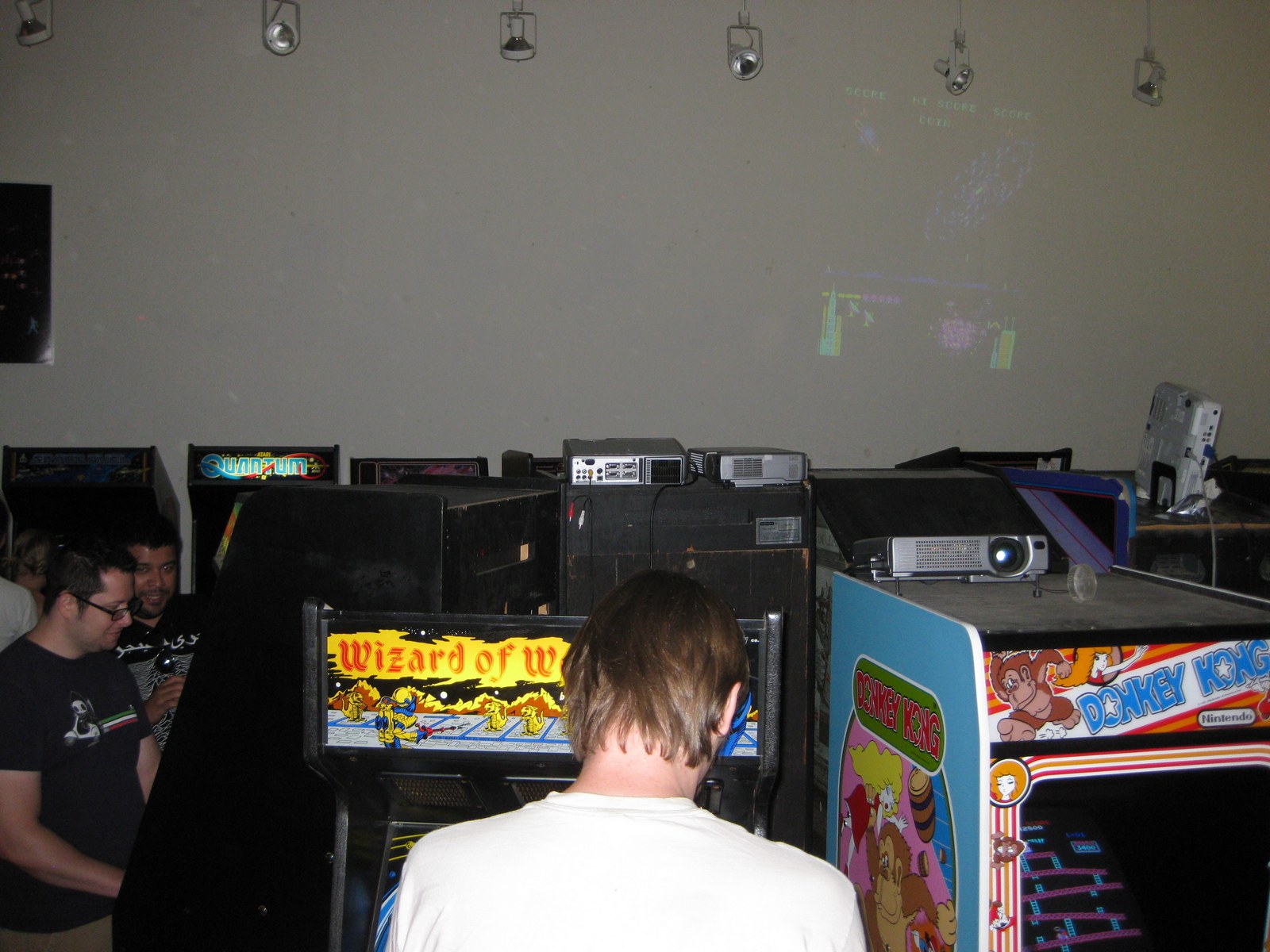
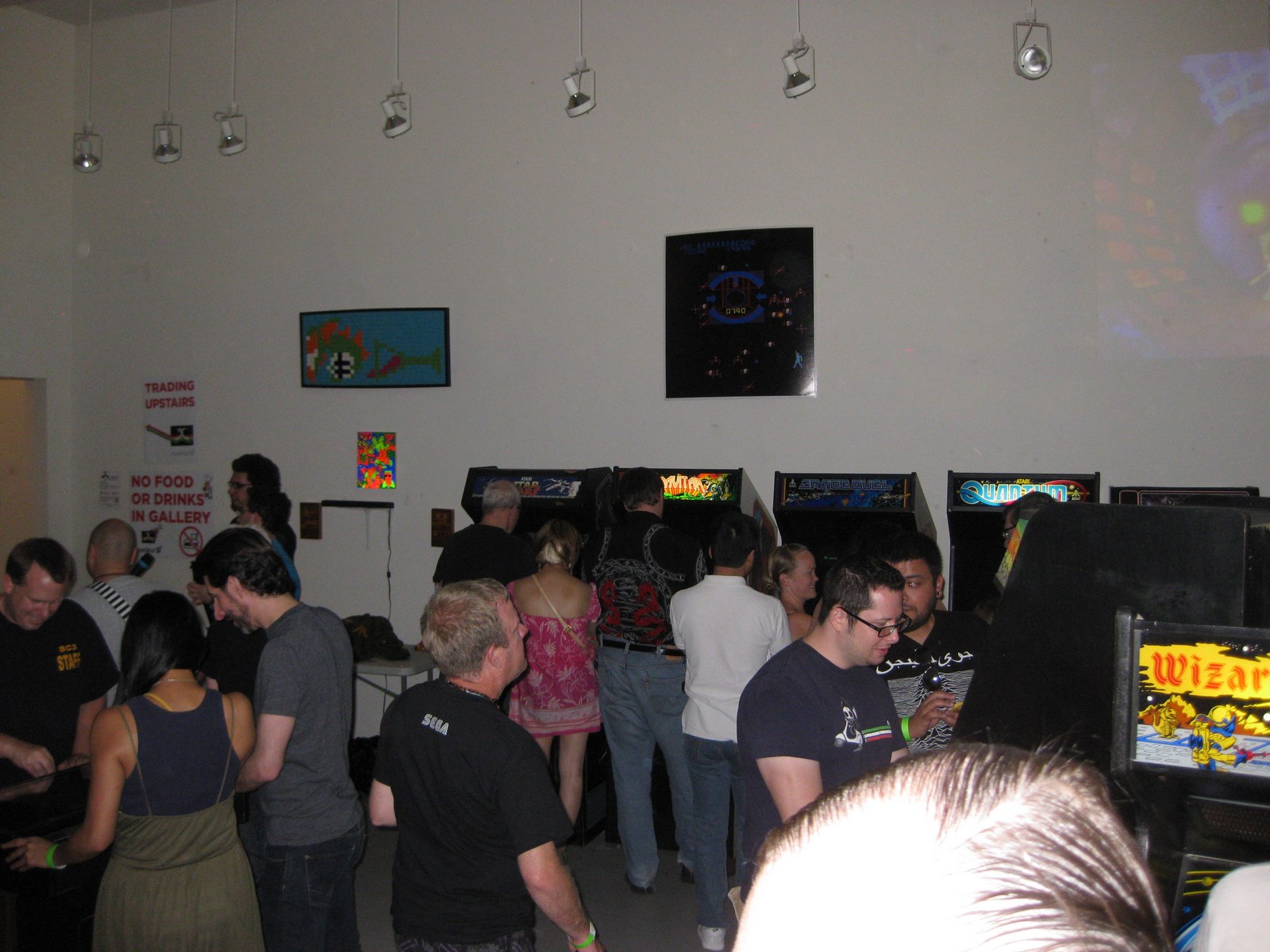
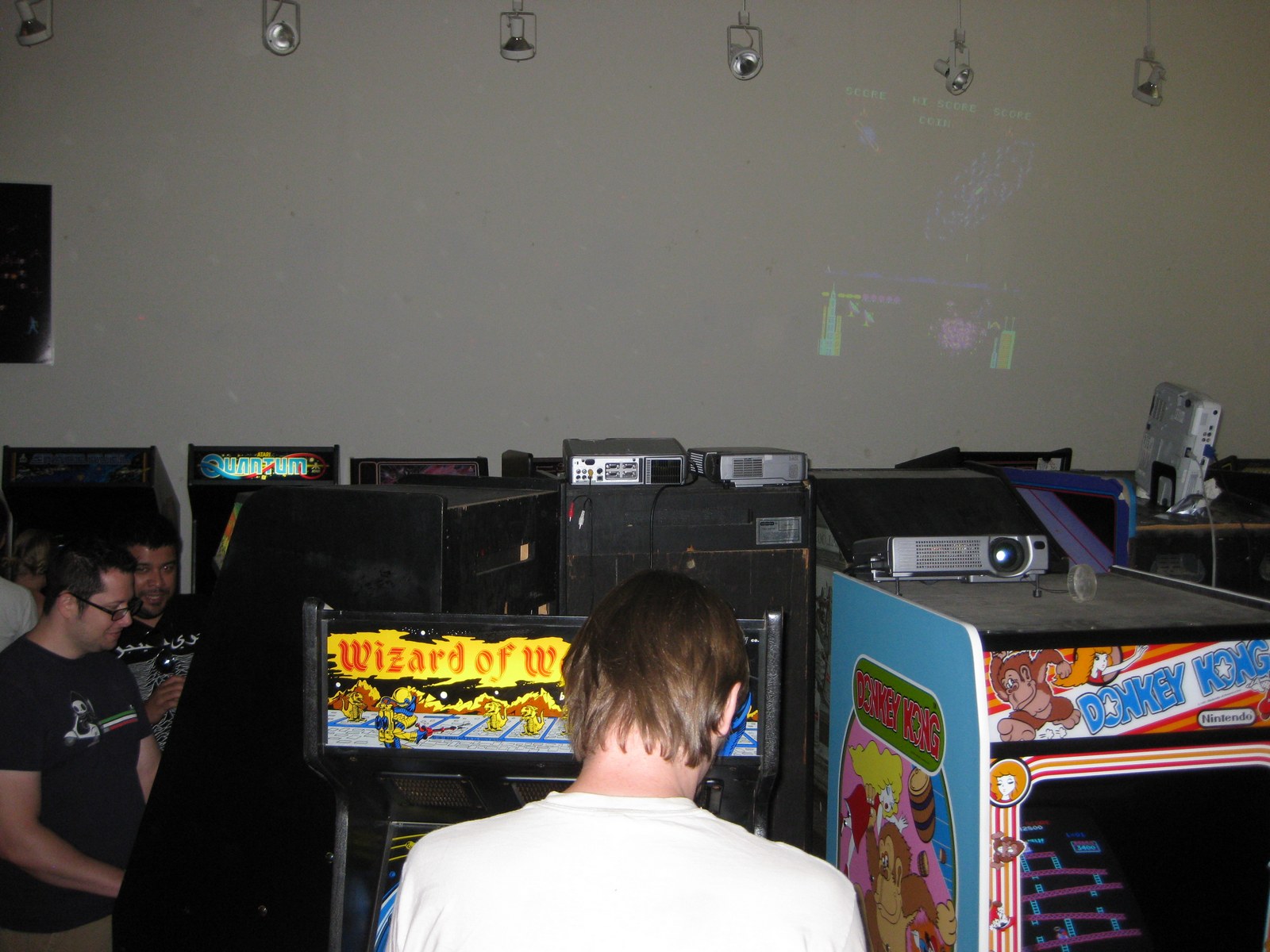
All the while, upstairs is a retro gaming room complete with Atari, NES, SNES, N64, Dreamcast, PS2 and a freak’n rad Fairchild Channel F!? Yup, that’s the room where I parked for a bit.
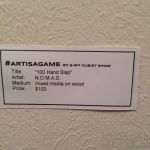
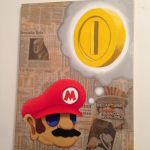
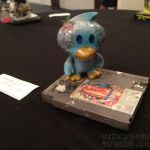
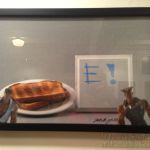
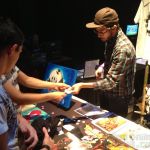
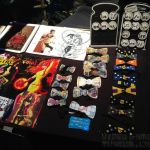
Down the hall is an art gallery with some solid works of art, and if you’re interested in creating your own art, we spotted some graffiti and silk screening going on as well.? Did we mention the huge, green-screen photo booth for those of us who are less than artistic?!? Check out our interview with Mr. Benja from The 8-bit Cubist for more on that art gallery:
If tabletop gaming is more your thing, there was plenty of that going on in the tabletop gaming lounge.? Up on the roof was pizza and comedy.? Add to that film screenings and a bunch of other stuff that we probably didn’t even find, and there’s something for everyone.
If you’re thinking about doing both San Diego Comic Con and Gam3rCon, we wish you all the best.? Both are great and worth checking out.? As a pretty active guy in his 30s, I was hurting after packing both into one day.? If they were staggered by a week or two, I would have loved spending more time at both.? Yeah, I know, cry me a river, right?
Regardless, I’m stoked that there is one more gaming option in Southern California.? Best of all, this small, independent gaming con is thriving!? Game on!
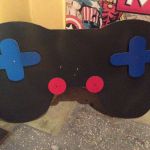
Check out the gallery below for a closer look at Gam3rCon.
With the great development from Nintendo DS in the 2000s, handheld gaming continues to be a major force within the entertainment industry. The successes of today’s handheld platforms pay great tribute to the consoles that once dominated our lives, such as the Game Boy and the Game Gear. Sales on smart phone applications, PSP Go and Nintendo 3DS games continue to play a large role in the overall market for video games. A look back over the years proves that there have been plenty of different styles on the way to the current state of handheld gaming and just how far the sector of the market has come.
Milton Bradley released one of the first handheld gaming devices back in 1979 with the Microvision, a large machine with a black and white LCD screen. The system included ready-to-go versions of paddle games and limited play, which led to relatively poor sales. Even though it didn’t stick around, the system was used as a model for later designers of handheld games.
Throughout the mid 1980’s there were a couple more game machines, but none that really stood out. The Entex Select A Game Machine was released in 1981, but was still rather large. It was designed for two players to participate and was usually played on a table where both could sit down and see. The machine contained a vacuum fluorescent display which led to a number of sight issues and a limited amount of video games ultimately had a major effect on its downfall. In 1984, the Epoch Game Pocket Computer set the track for some future systems. It had a black and white LCD display which used cartridges. It was released in Japan, but failed to truly gain any steam, leaving the market open for others.
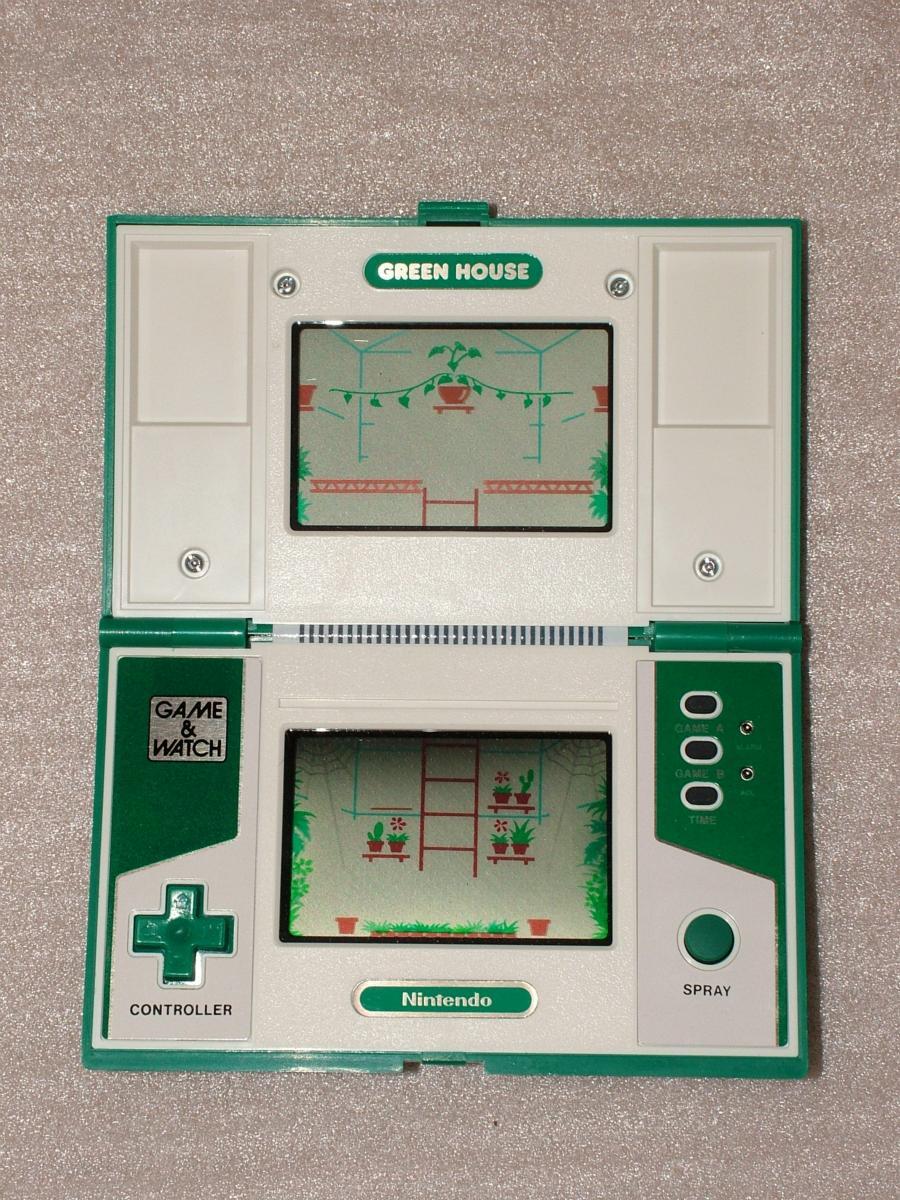
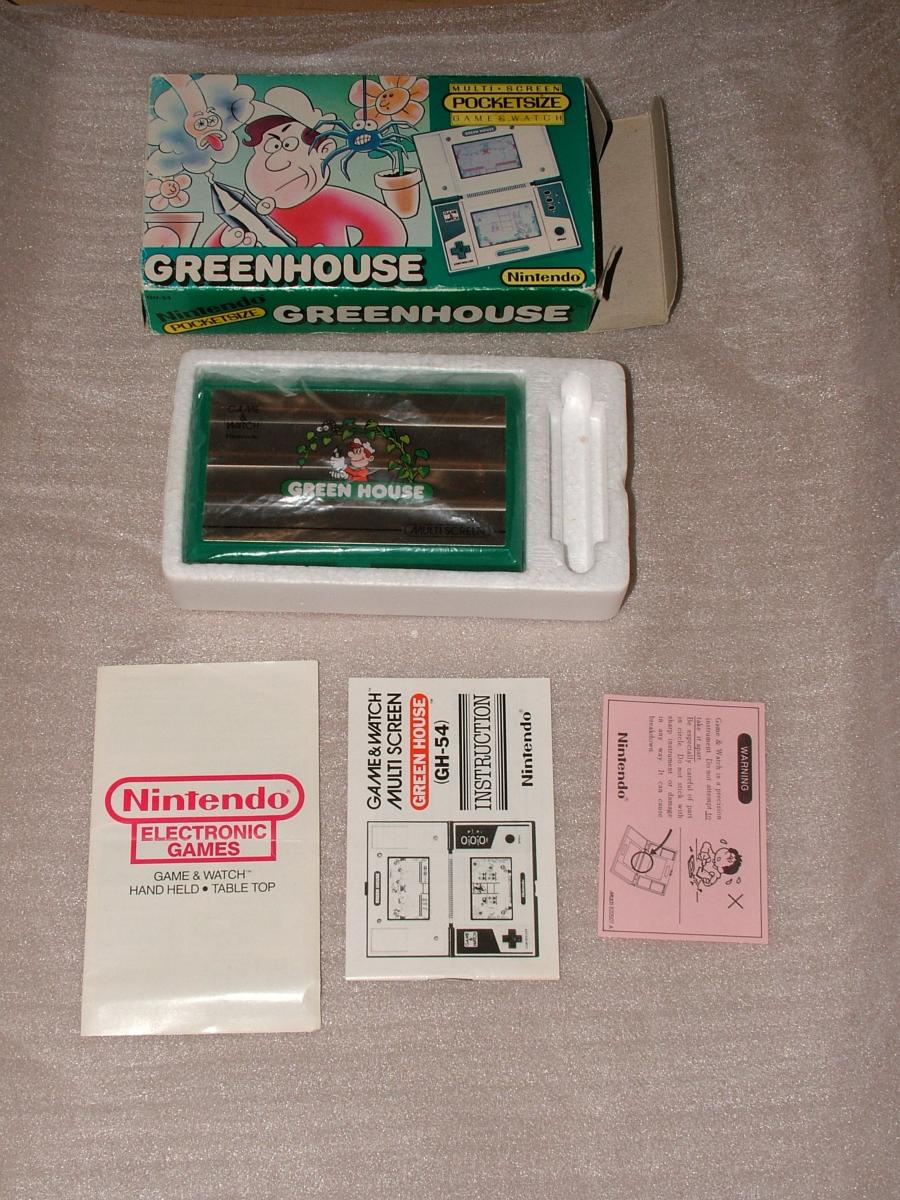
Before Nintendo really turned the handheld market in its favor, they developed the Game & Watch in the early 1980s. These platforms are particularly interesting because of their striking resemblance to today’s current DS line. Individual games were released with their own LCD screen, as well as a clock and alarm. Over 60 game & watch titles were developed, as Nintendo has clearly taken strengths such as the dual screen and flip style formatting to develop their popular line today.
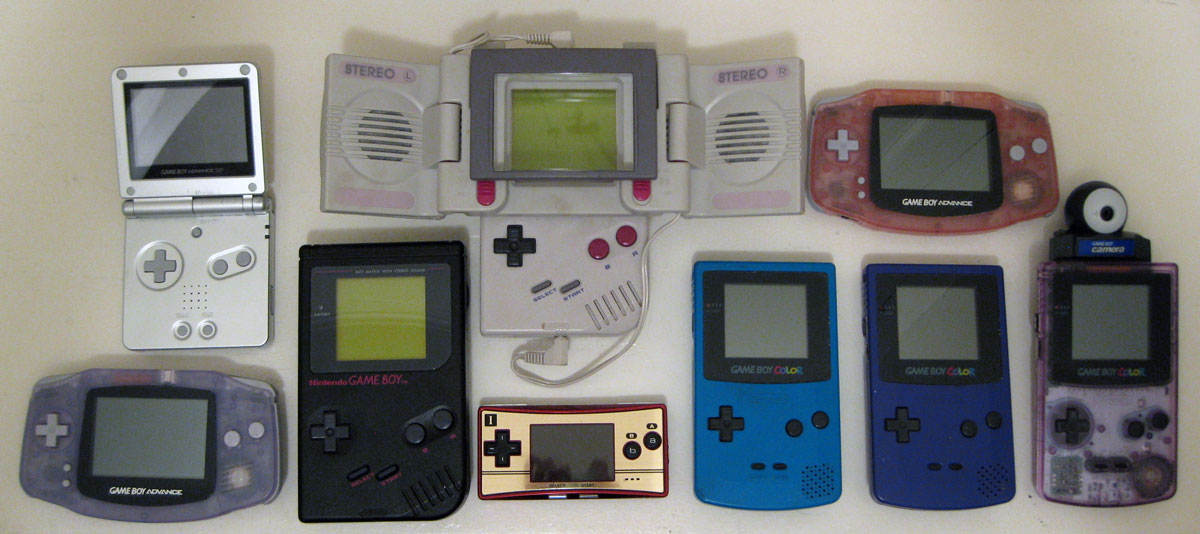
The industry was revolutionized in 1989 when Nintendo released the Game Boy platform. It had a long battery life, as well as a number of games available. With over 100 million units sold after its original release, Nintendo went on to develop Advance, Light and Color versions later in the 1990s. With the upgrades made to the line, it became one of the longest running video game systems in history.
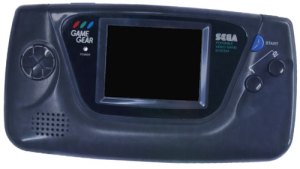
The Game Boy’s main competitor came about in 1990 when Sega released the Game Gear. Even though Atari ($179.95 Lynx at launch) and NEC ($249.99 TurboExpress at launch) had attempted to build systems to compete with Nintendo, they were largely unsuccessful. The Game Gear came in color and was considerably inexpensive with an initial price tage of $149.99 at launch. Also pushing its popularity was the fact that the Sega Genesis was widely popular at the time.
The mid 90s saw another release from Sega with the Genesis Nomad in 1995. This came at a rough patch for Sega, when it had a number of other releases on the market. The system was one of a kind in that it actually played the same cartridges as a Genesis did, allowing for multiple platform game usage. The Nomad was widely ignored upon its release, leading to poor sales.
Nintendo developed the Virtual Boy in 1995 as the first video game console with true 3D graphics. While larger than most handheld systems, the Virtual Boy could still be towed around pretty easily. The system used LED pixels for a monochrome display, as well as controller built specifically for 3D game play. Unfortunately the reception from the public was pretty lackluster, as many critics panned that the device was ugly and the graphics were subpar.
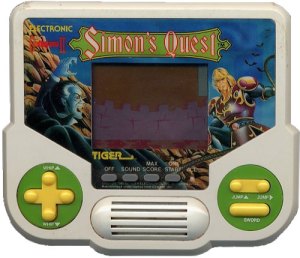
Tiger Electronics started to become a force within the handheld gaming industry early with a series of handheld titles in the 1980?s similar to the Game & Watch. They became hugely successful with individual releases for a number of popular movies and character games throughout the 80s and 90s. These individual platforms were relatively inexpensive compared to other major consoles, making them very popular. During the late 1990s, they began to try and cover other parts of the market by developing the game.com. This was the first handheld console to feature touch display and internet connectivity, but ultimately it fell flat with a lack of titles developed.
The market was saturated with smaller name systems throughout the early stages of the 2000s including releases from Nokia, Bandai and Game Park which were all rather unsuccessful in the United States market. Nintendo released its first non-Gameboy portable device with the DS in 2004. This had two screens including one that was touch controlled. Although first viewed as a failure, the system has gone on to sell millions and stay one of the company’s major products.
PlayStation finally got into the act in 2004 as well with the release of its own Portable device. The PSP was originally viewed as a better product than the DS, but long term sales went against the grain. Even being viewed as somewhat of a competitor, the PSP has still done well sales wise because it still offers some different aspects, especially with updates throughout the last decade.
Today, much of the handheld gaming industry is focused in smart phones and portable music devices such as the iPod Touch. The application marketplace provided by smartphone developers like Apple and Android have allowed for easy access to games that are more than affordable. The availability to games has never been easier than it is now with today’s phones.
Nintendo and PlayStation have been forced to really improve their game play with the widespread availability in the smart phone sector. Nintendo continues to try and spike the initially poor reception of the 3DS by developing more games with online availability into the future. The DS itself went on to success after a slow start, but Nintendo seemed to really miss on the initial price and first party support of the 3DS, hurting its reception.? If they would like to achieve the success of the DS over the long haul, Nintendo will likely have to allow for better virtual sales, as well as firmware updates to help convince gamers that there is value in not just playing games on their smartphones.
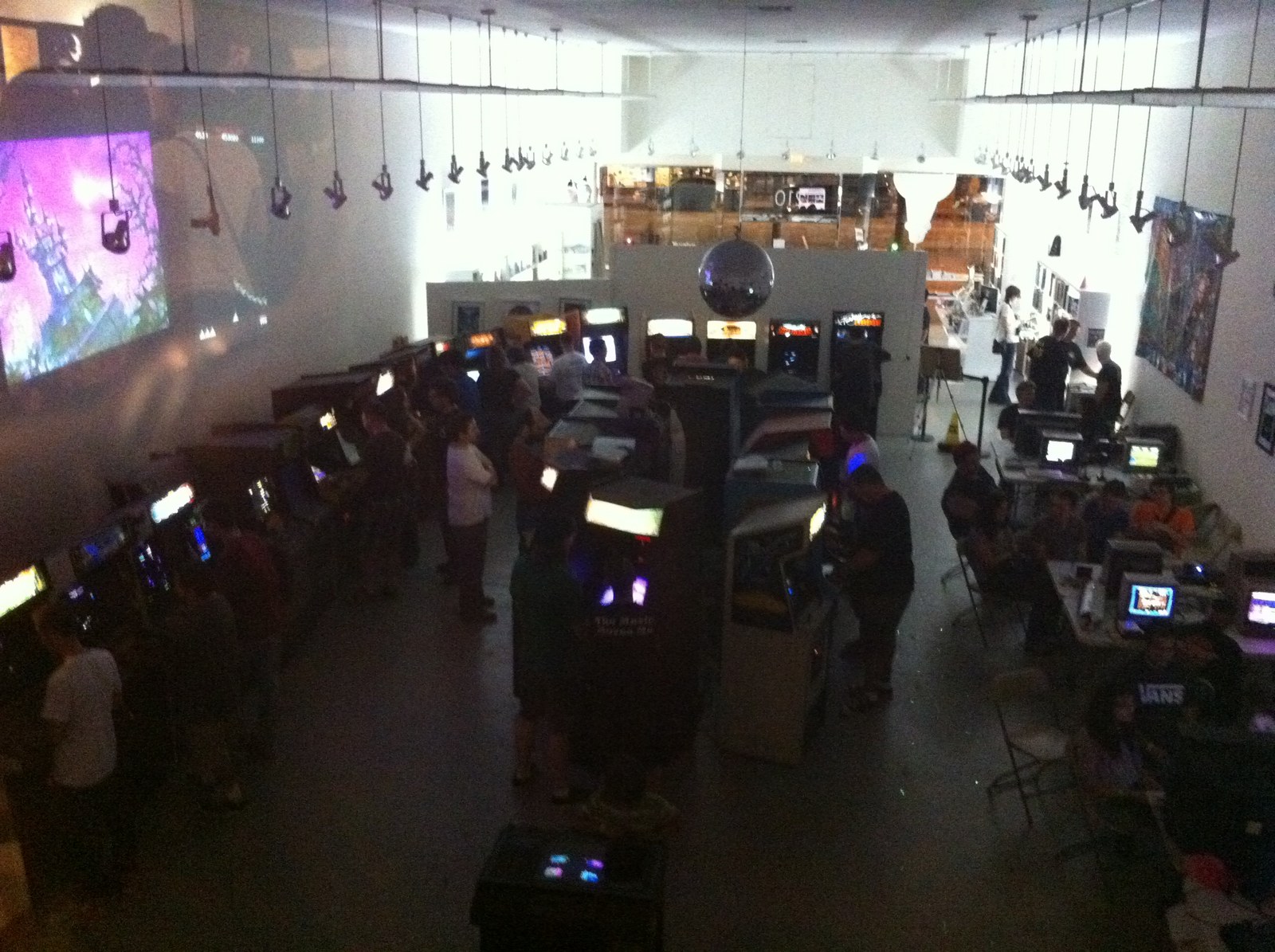
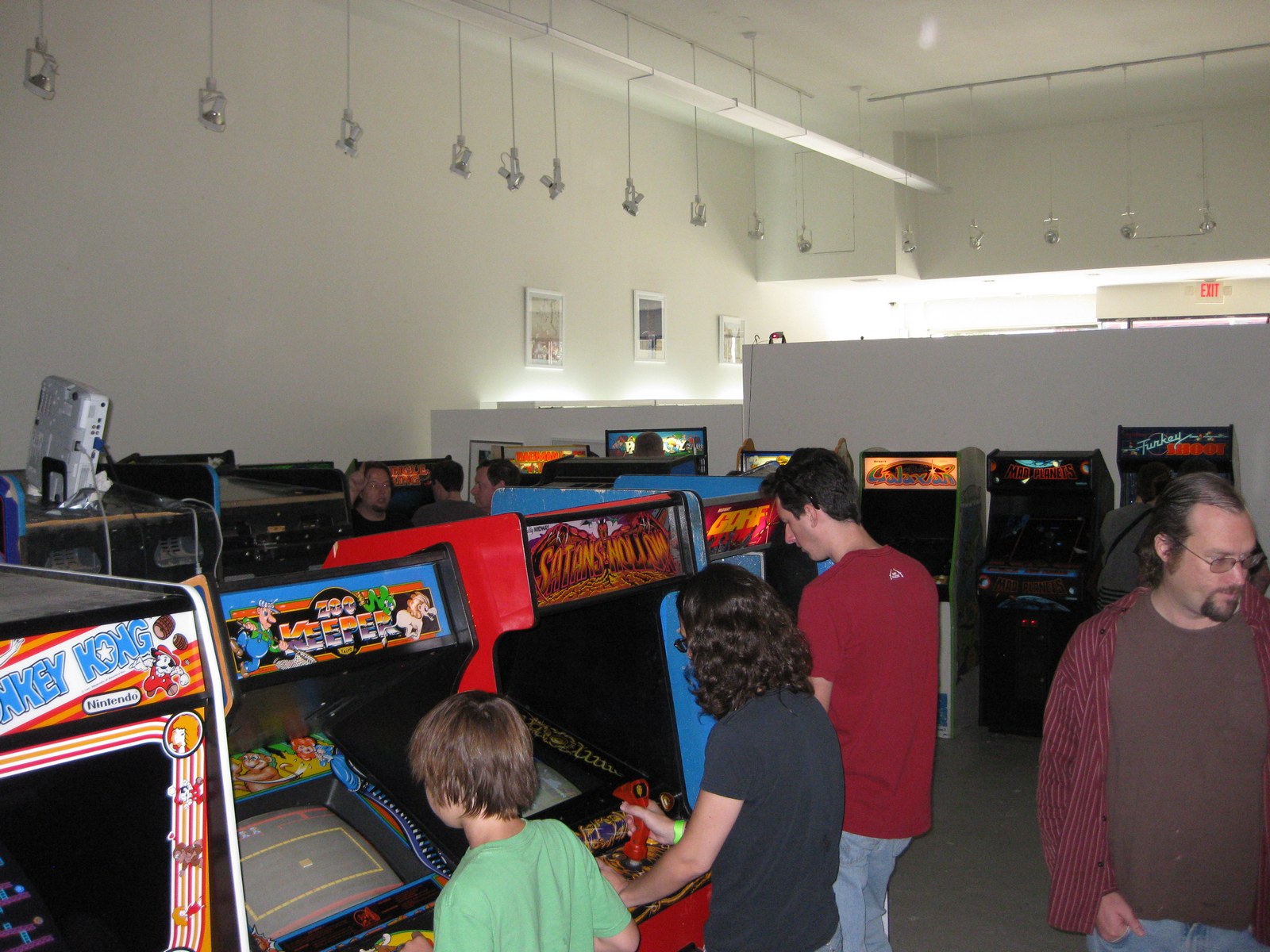
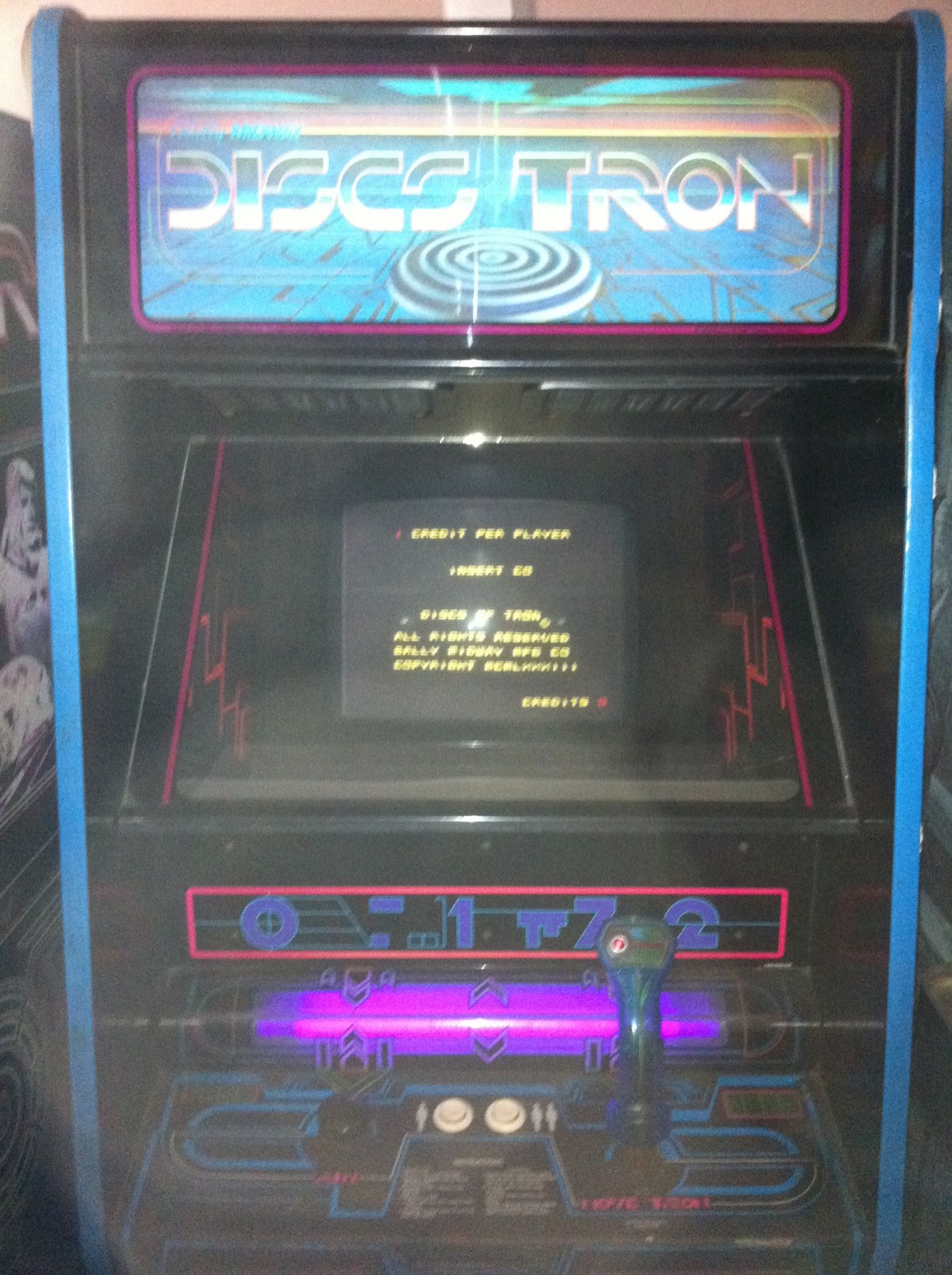
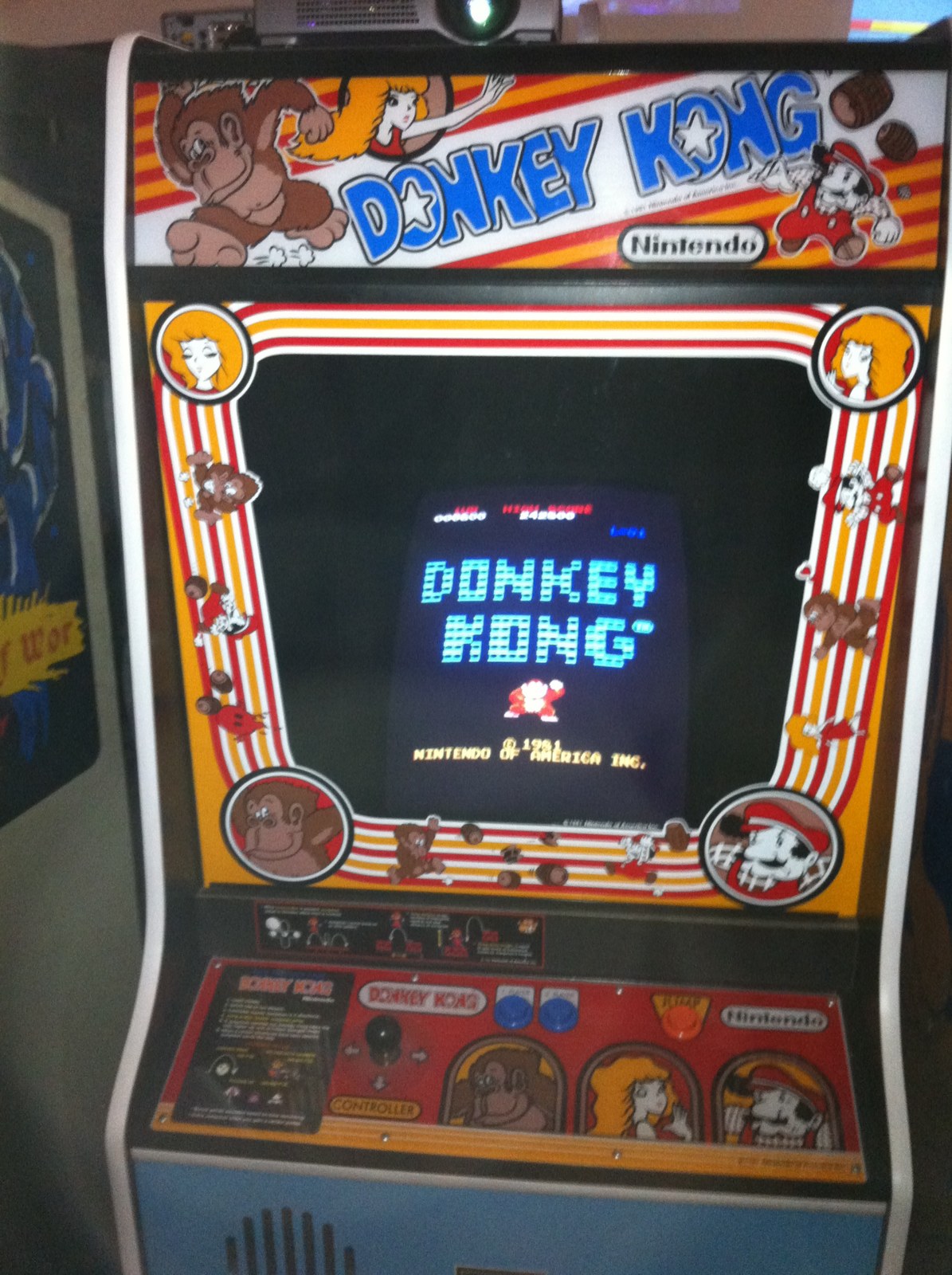
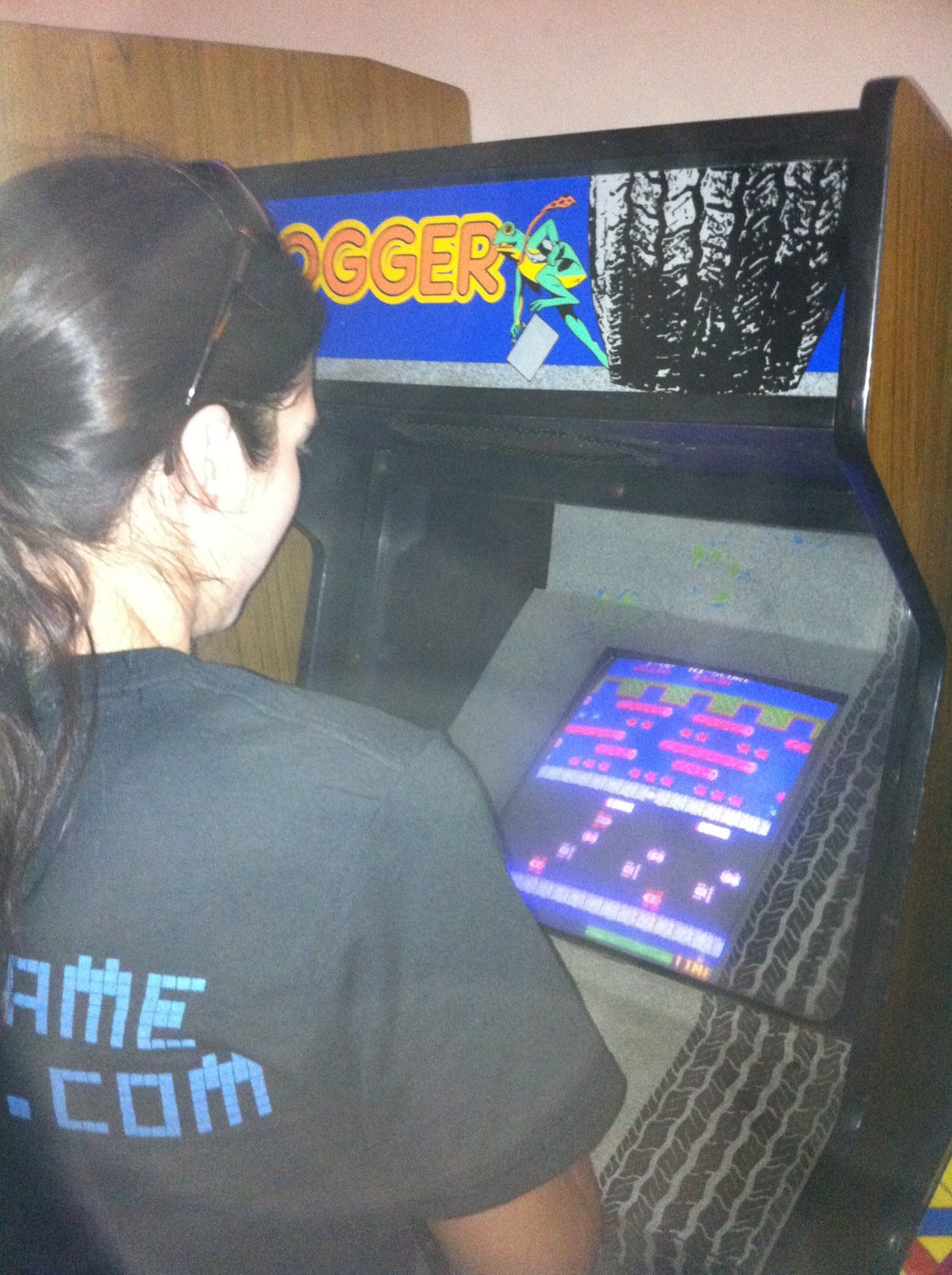
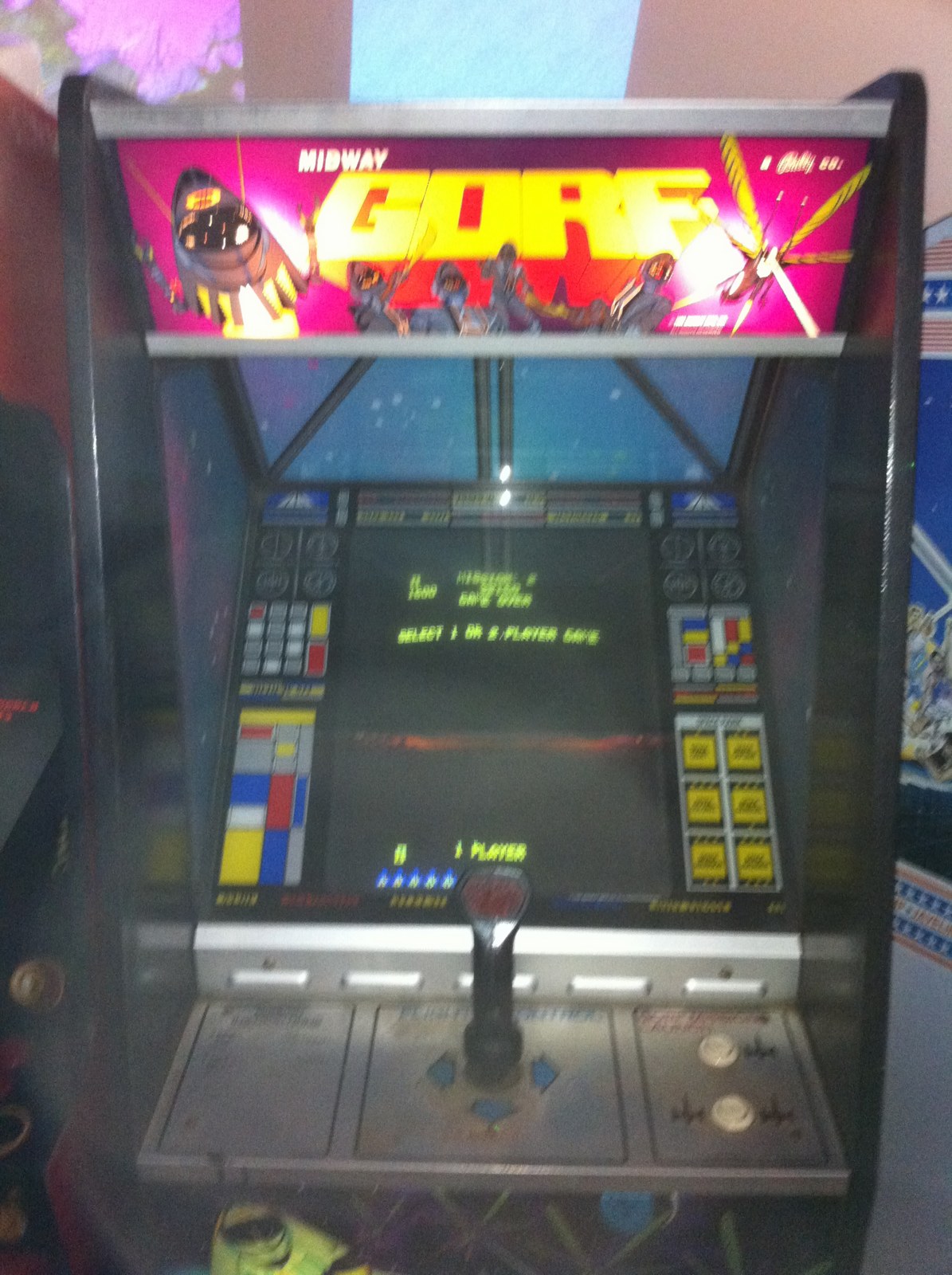
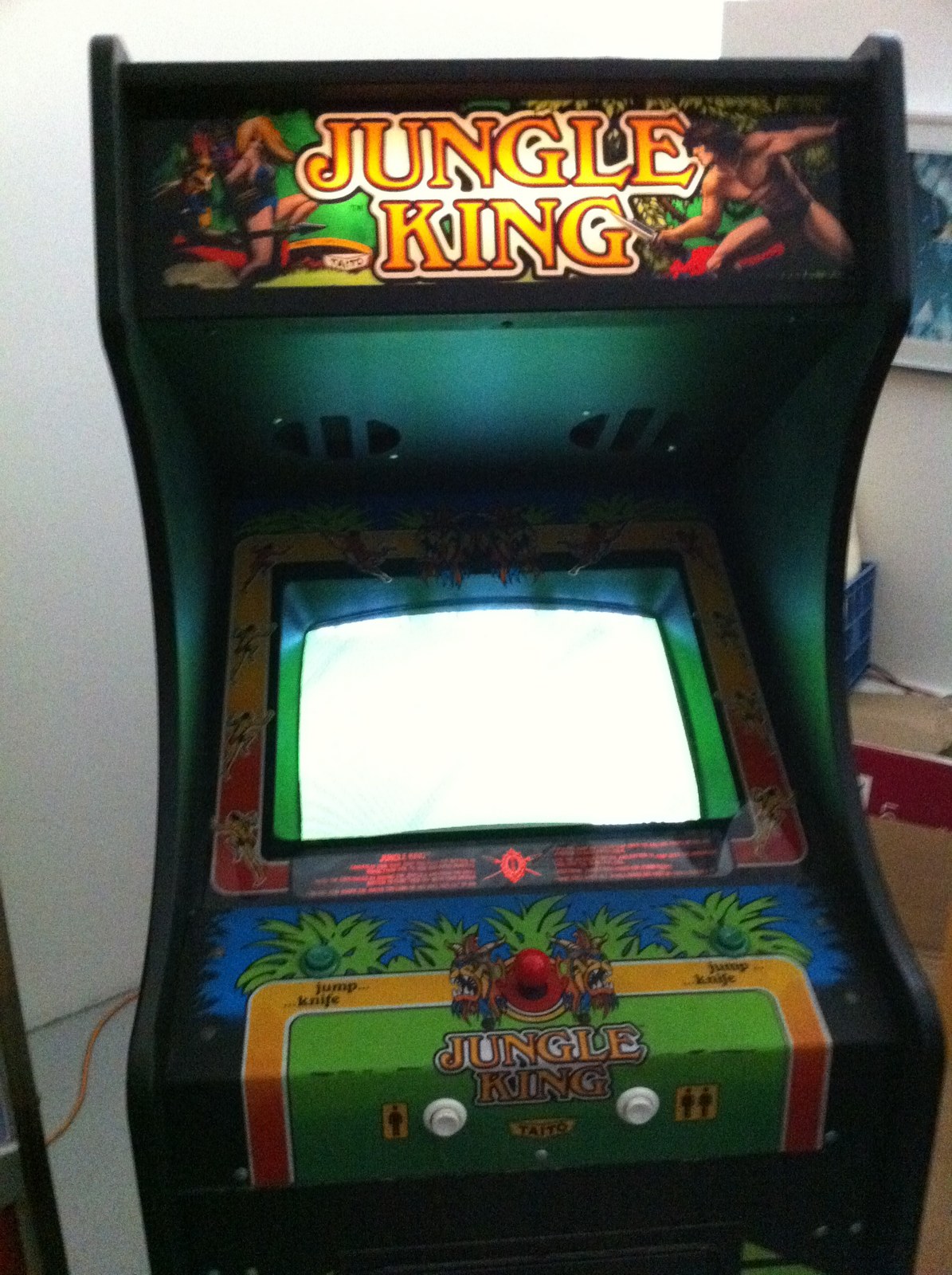
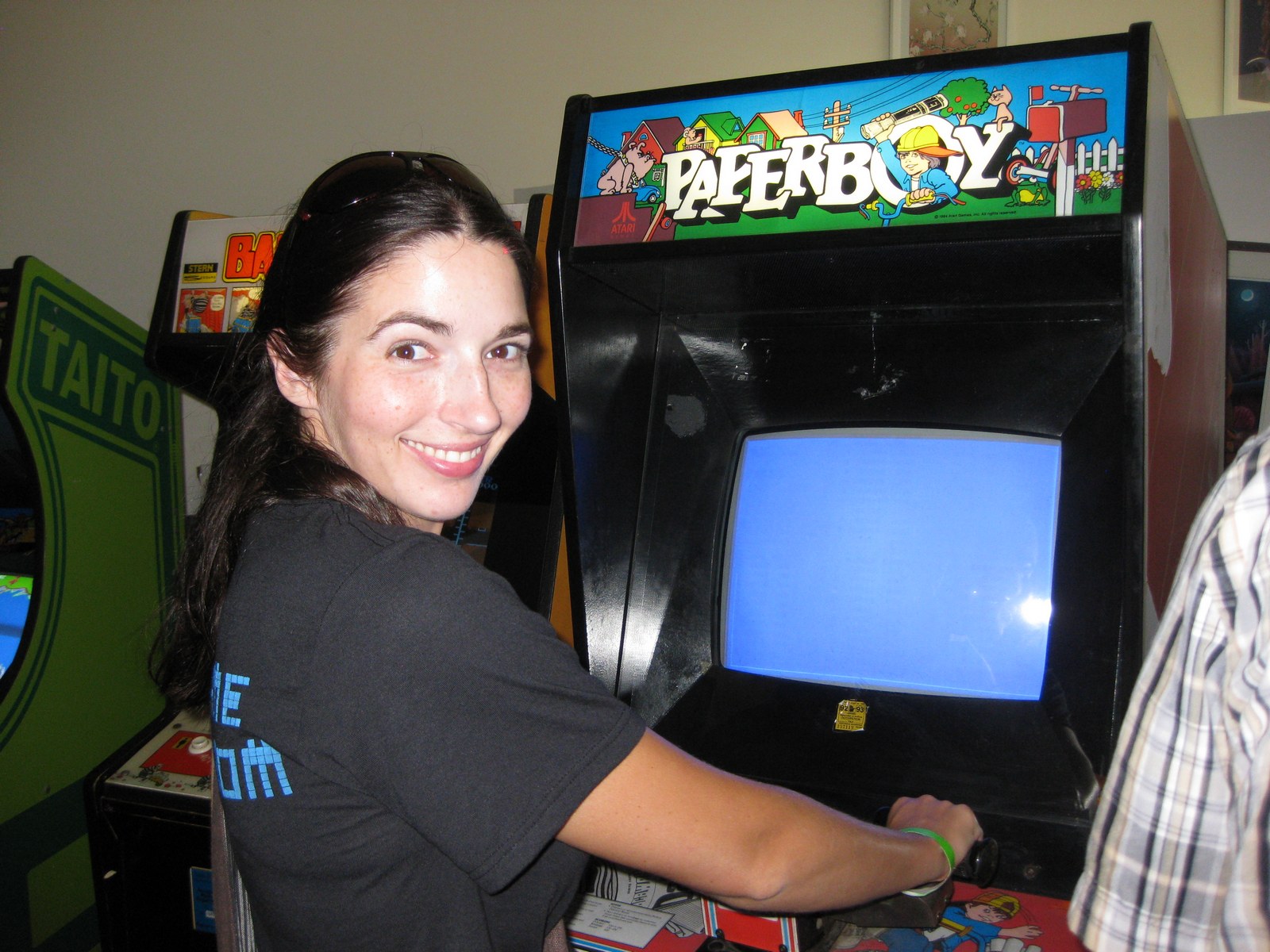
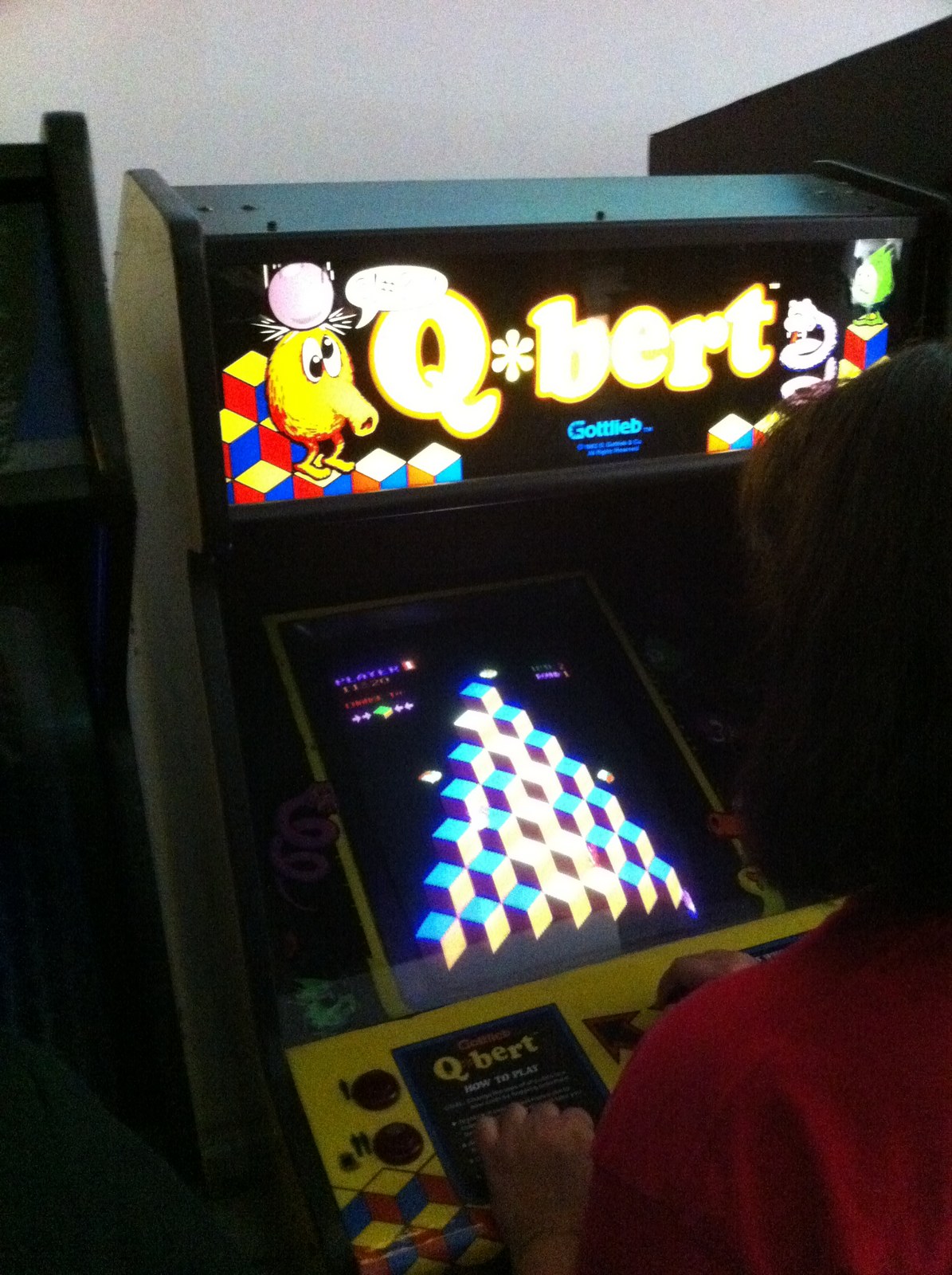
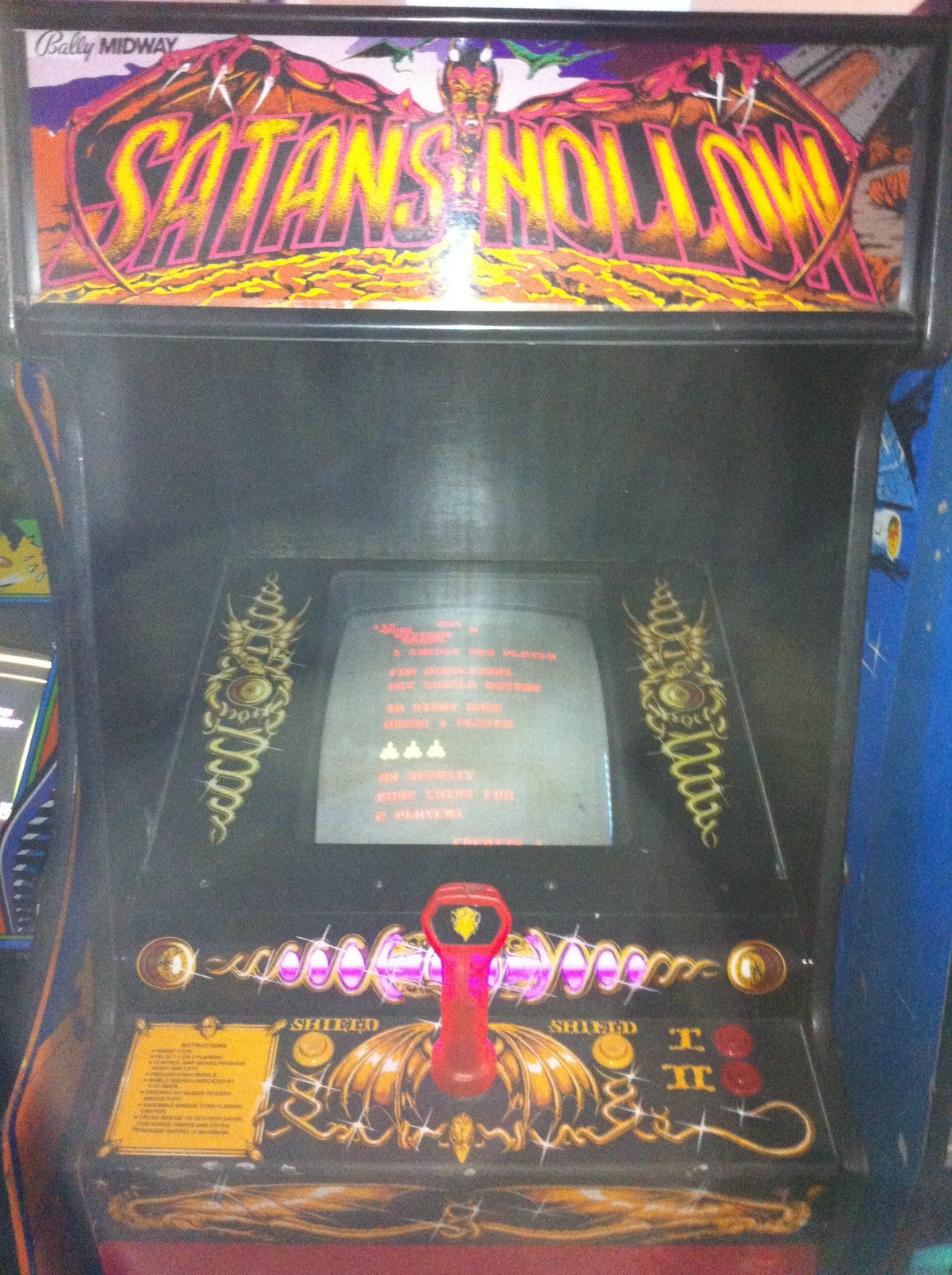
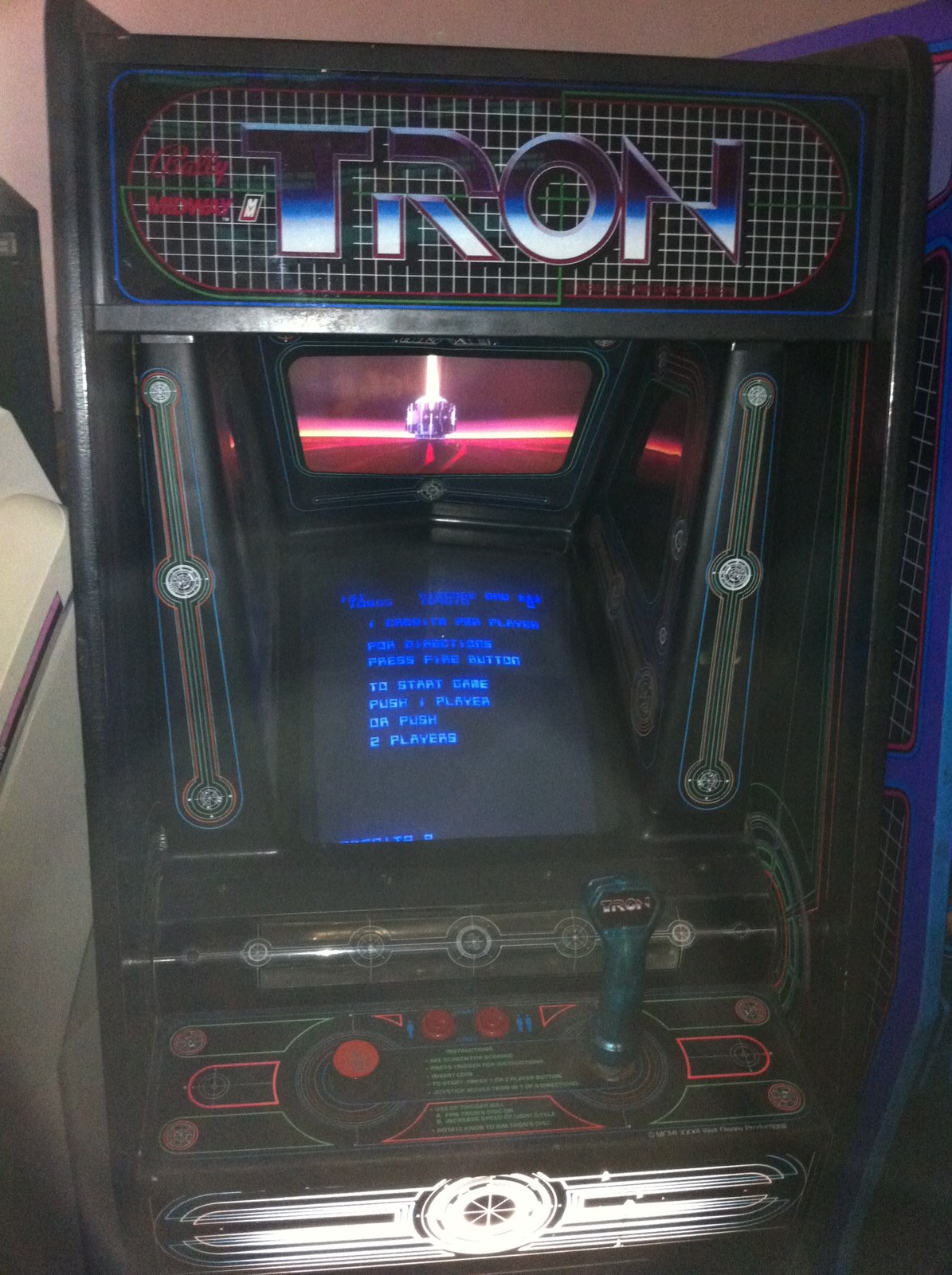
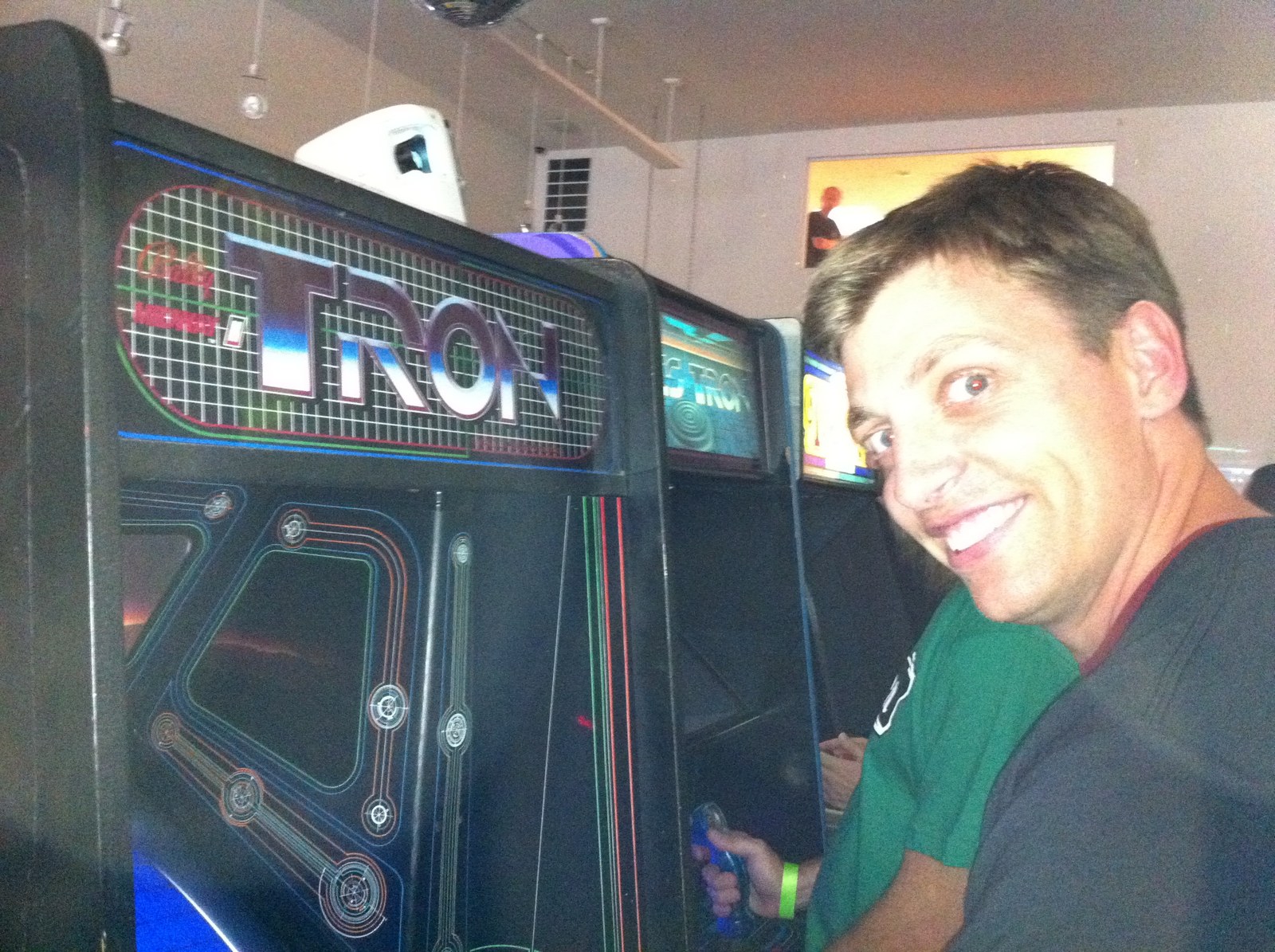
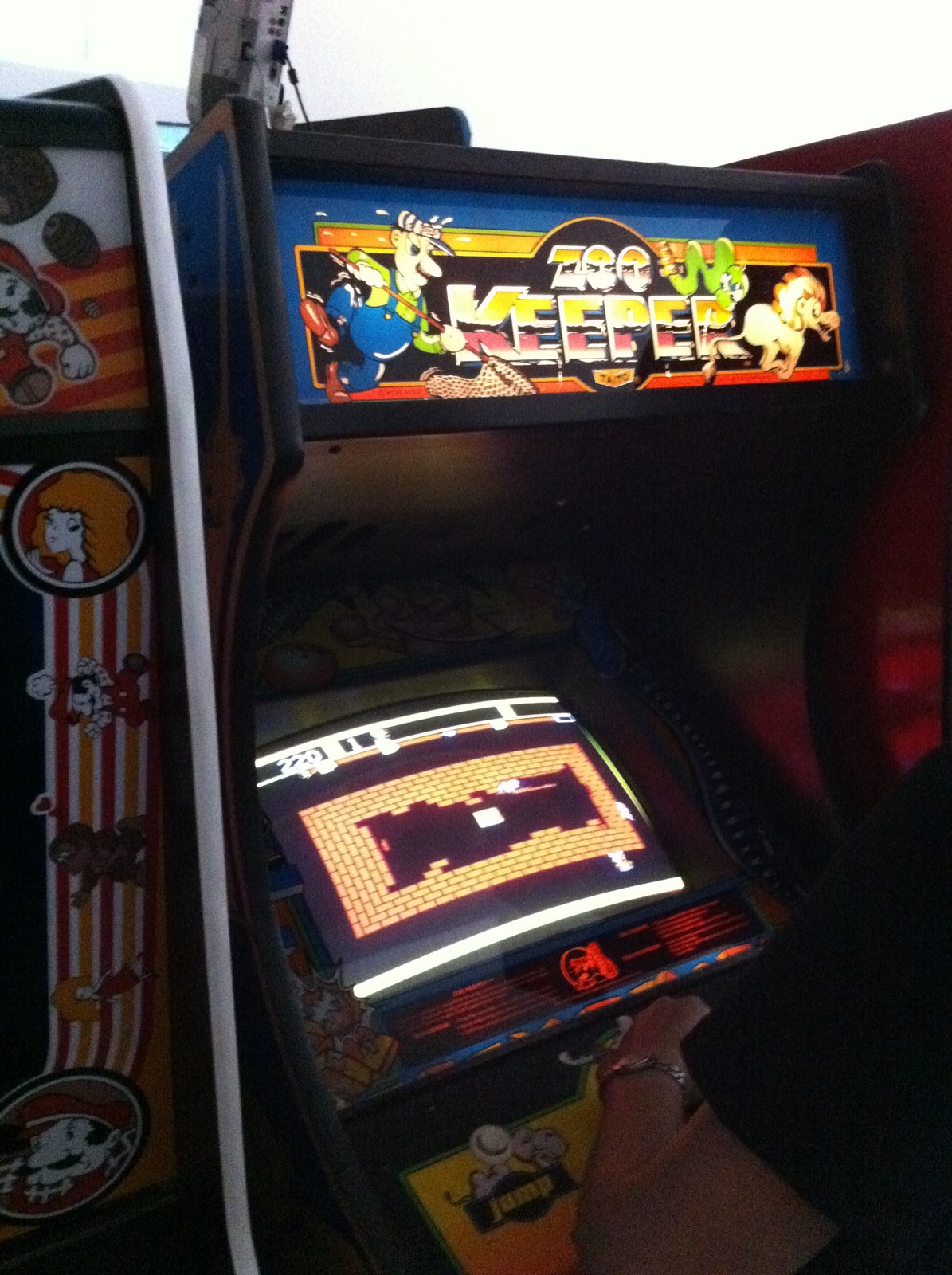
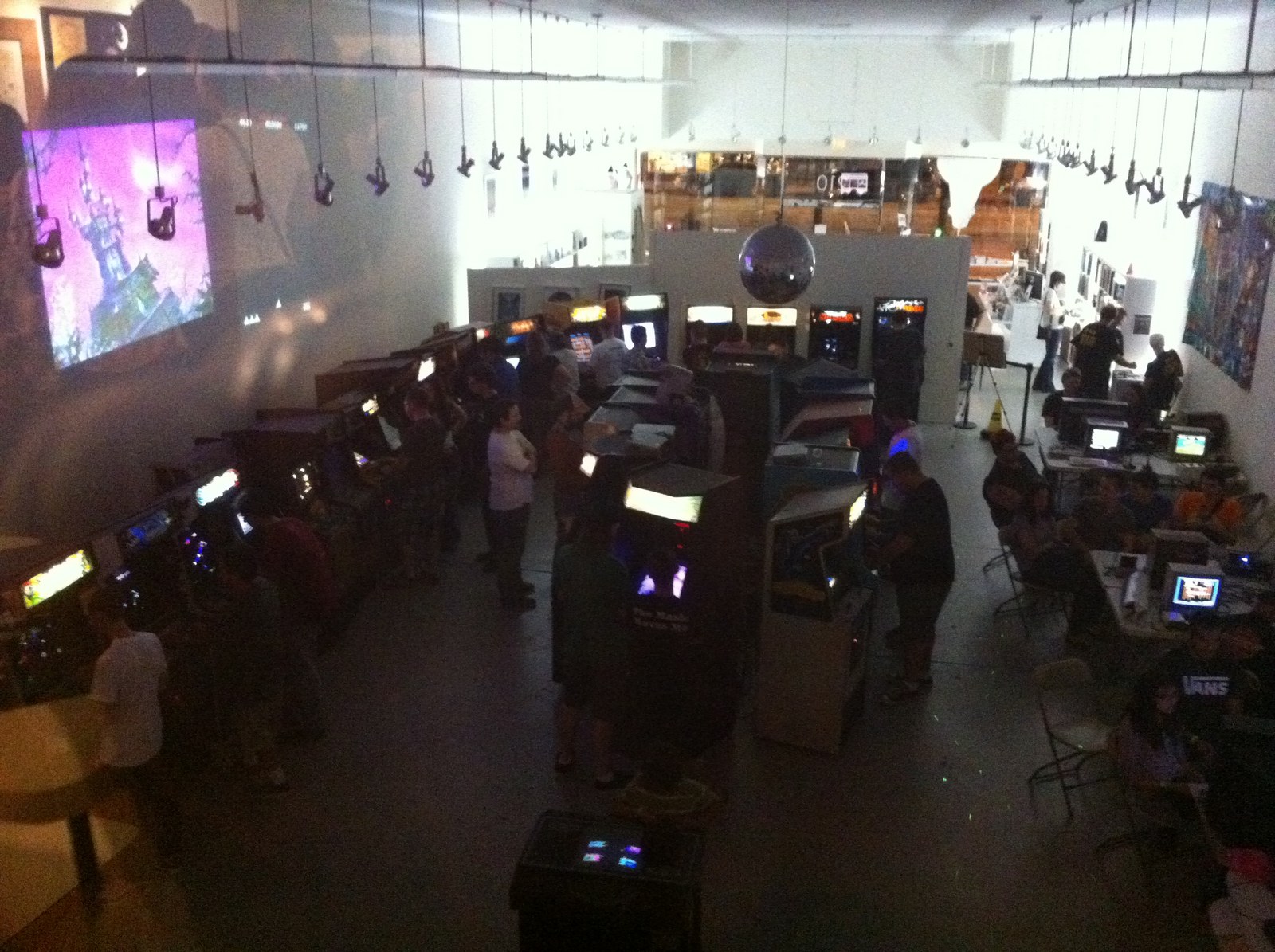
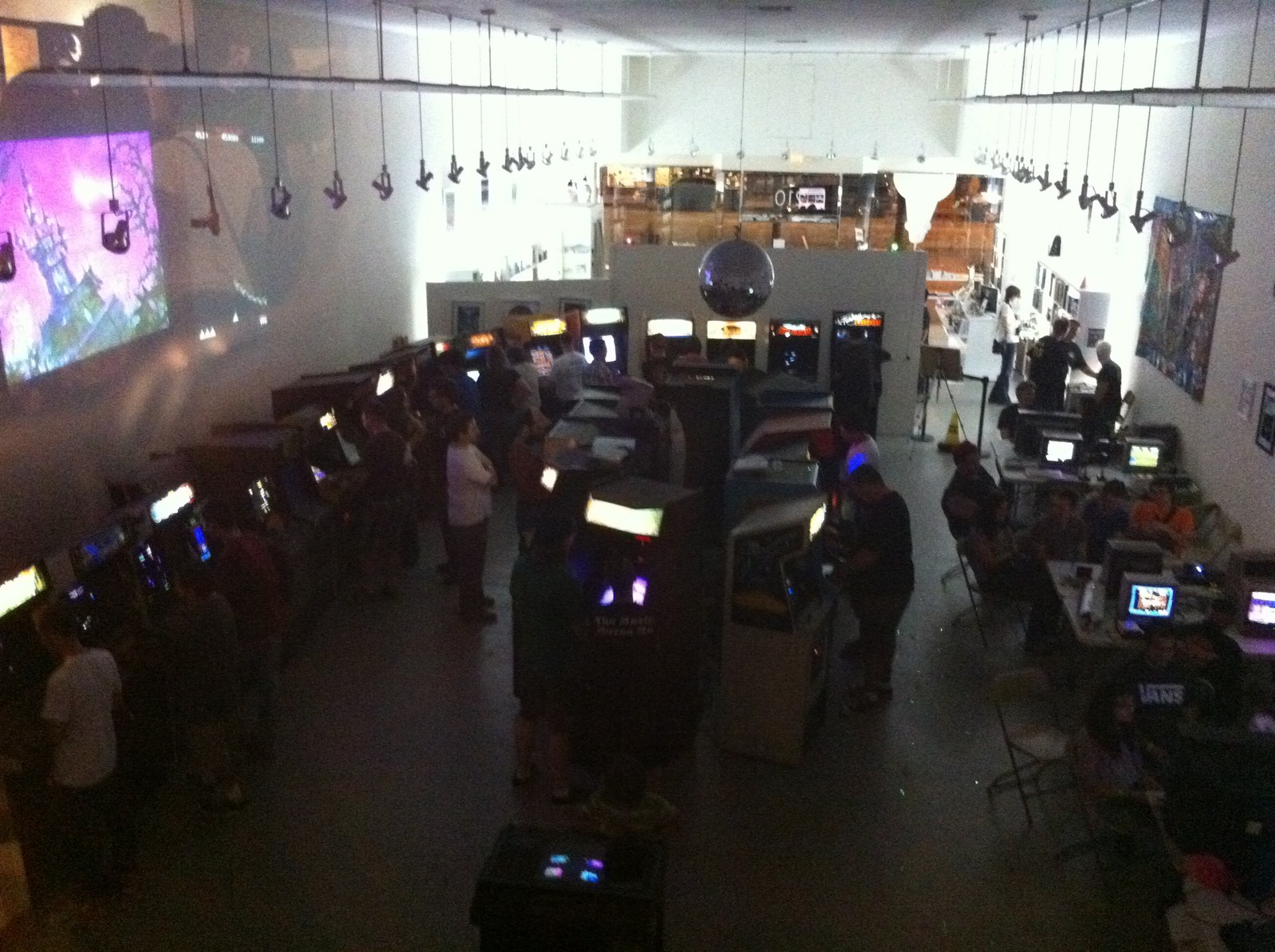
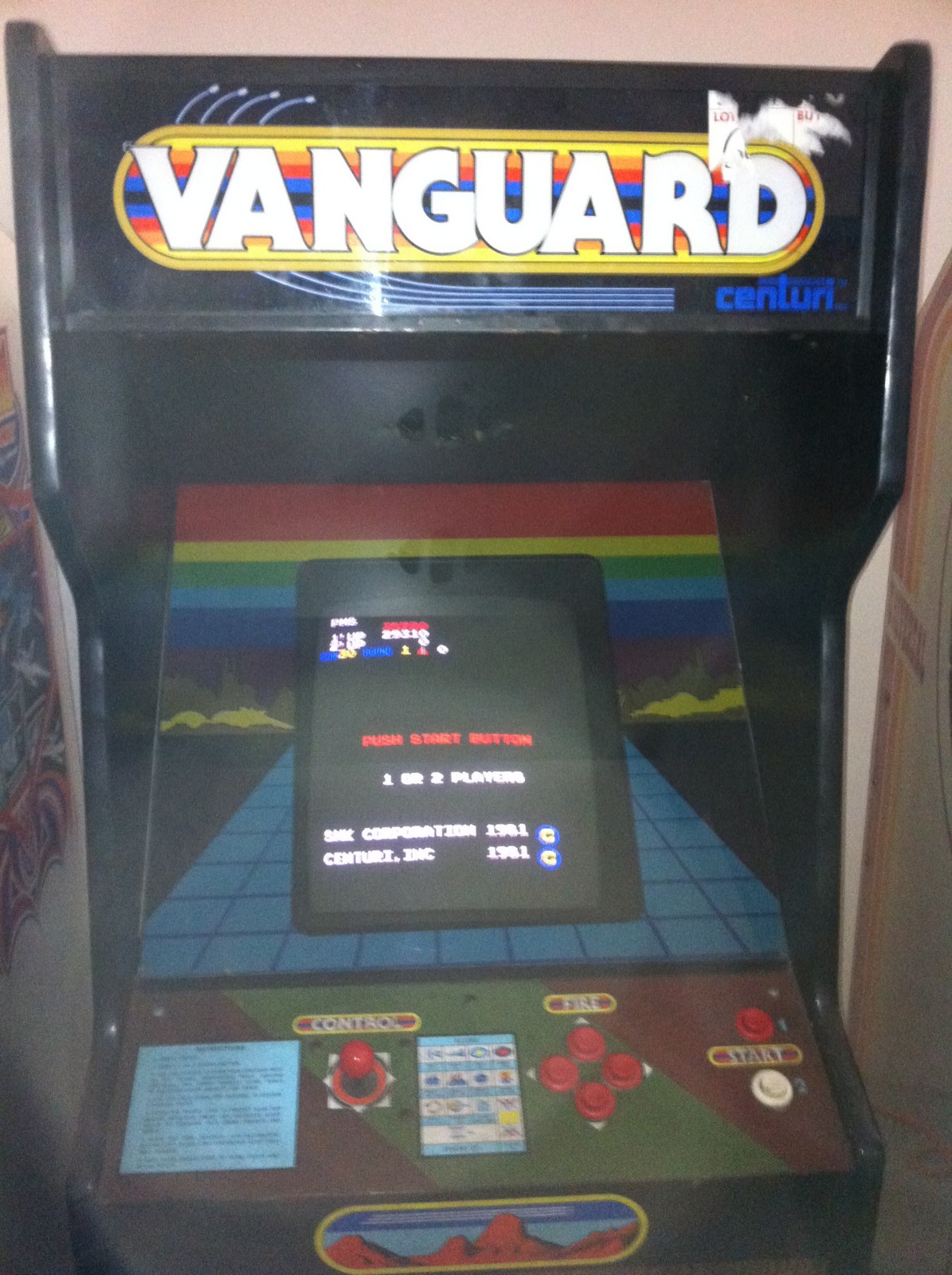
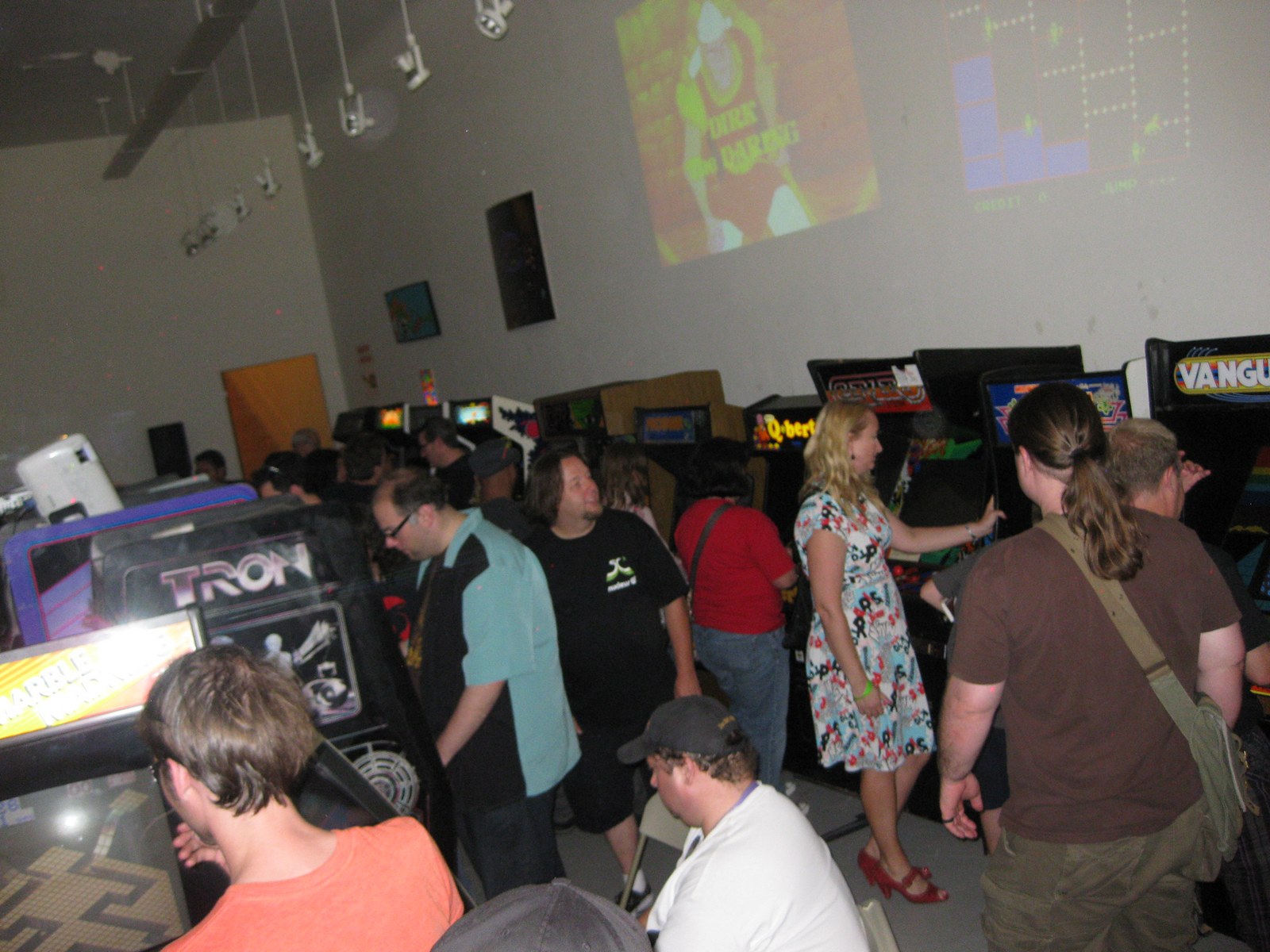
Either someone put a flux capacitor into my Honda Accord, or a group of collectors in Southern California just gathered for some serious retro gaming. My wife Amber and I just attend our first SC3 meeting. For those of you who are new to the Southern California Classic Collectors group like me, let me fill you in. A bunch of private collectors bring together a fantastic, and I mean freak’n fantastic, assortment of their retro arcade machines and home consoles. For $10 each, Amber and I had unlimited playtime on machines like Zoo Keeper, Cosmic Chasm, Jungle King, Paperboy, Tron, Satan’s Hollow, Gorf, Burger Time…and the list goes on!
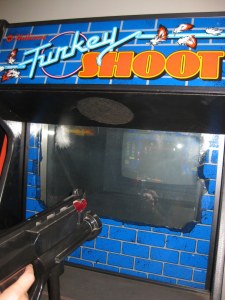
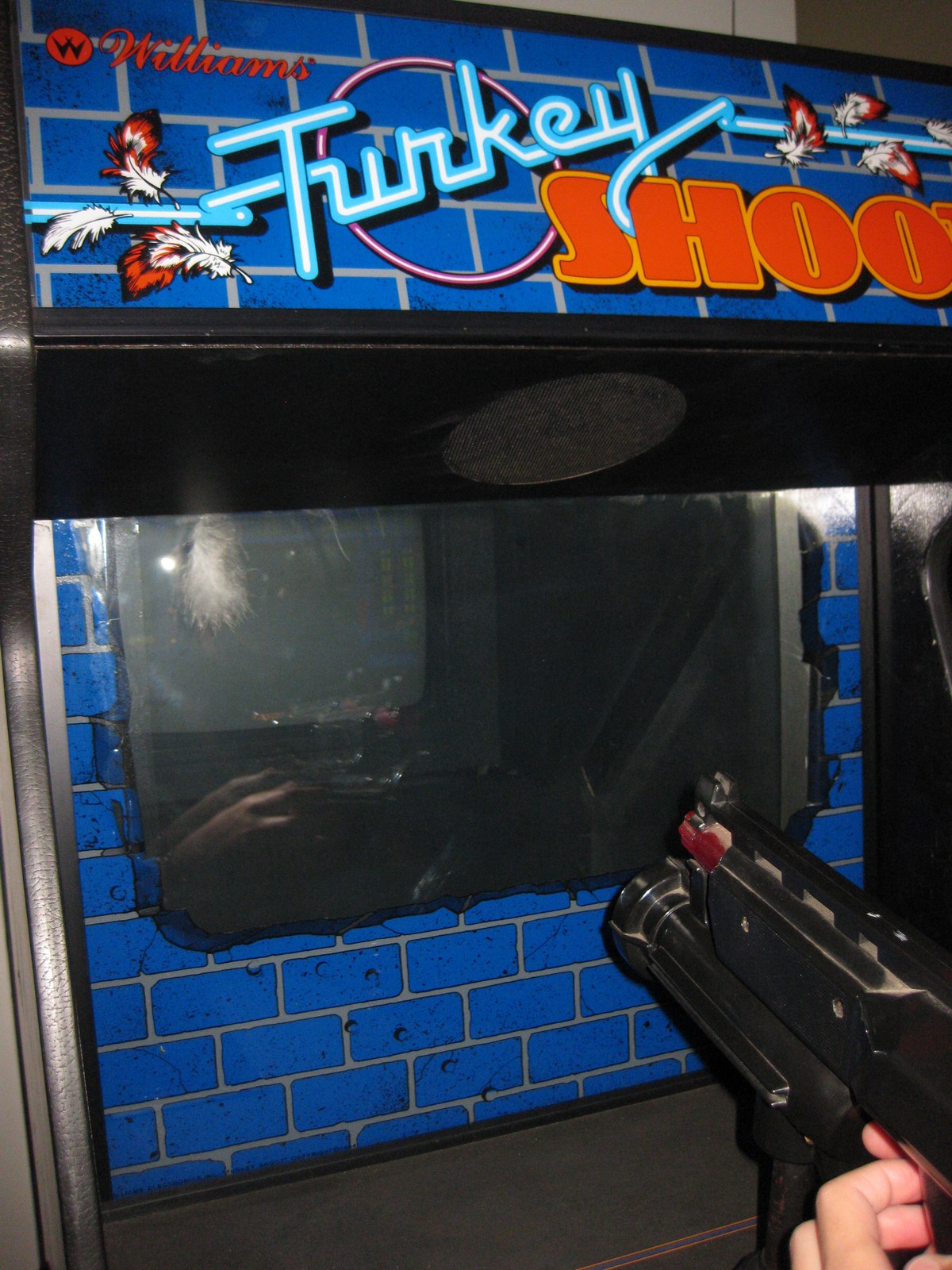
Our favorites were easily Warlords and Turkey Shoot! I’d love to meet the guy who invented Turkey Shoot. If you’re unfamiliar with it, here’s the deal. Turkeys are robbing banks, and you have to shoot them before they get sacks of money off the screen. Naturally, you get hand grenades and, yes, a “gobble” button. If that wasn’t great enough, after you die, a fan blows real feathers in front of the screen. Yup, awesome.
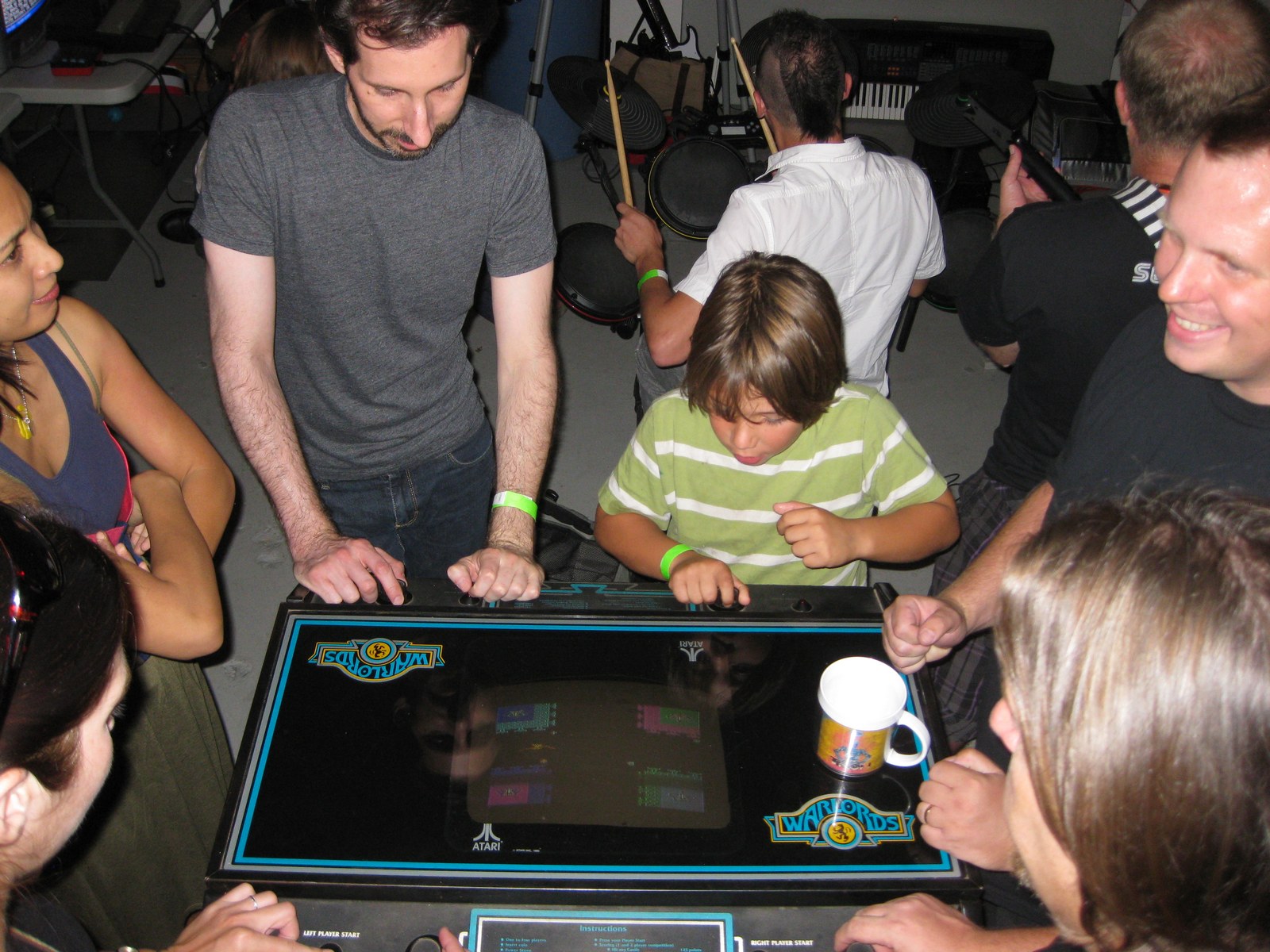
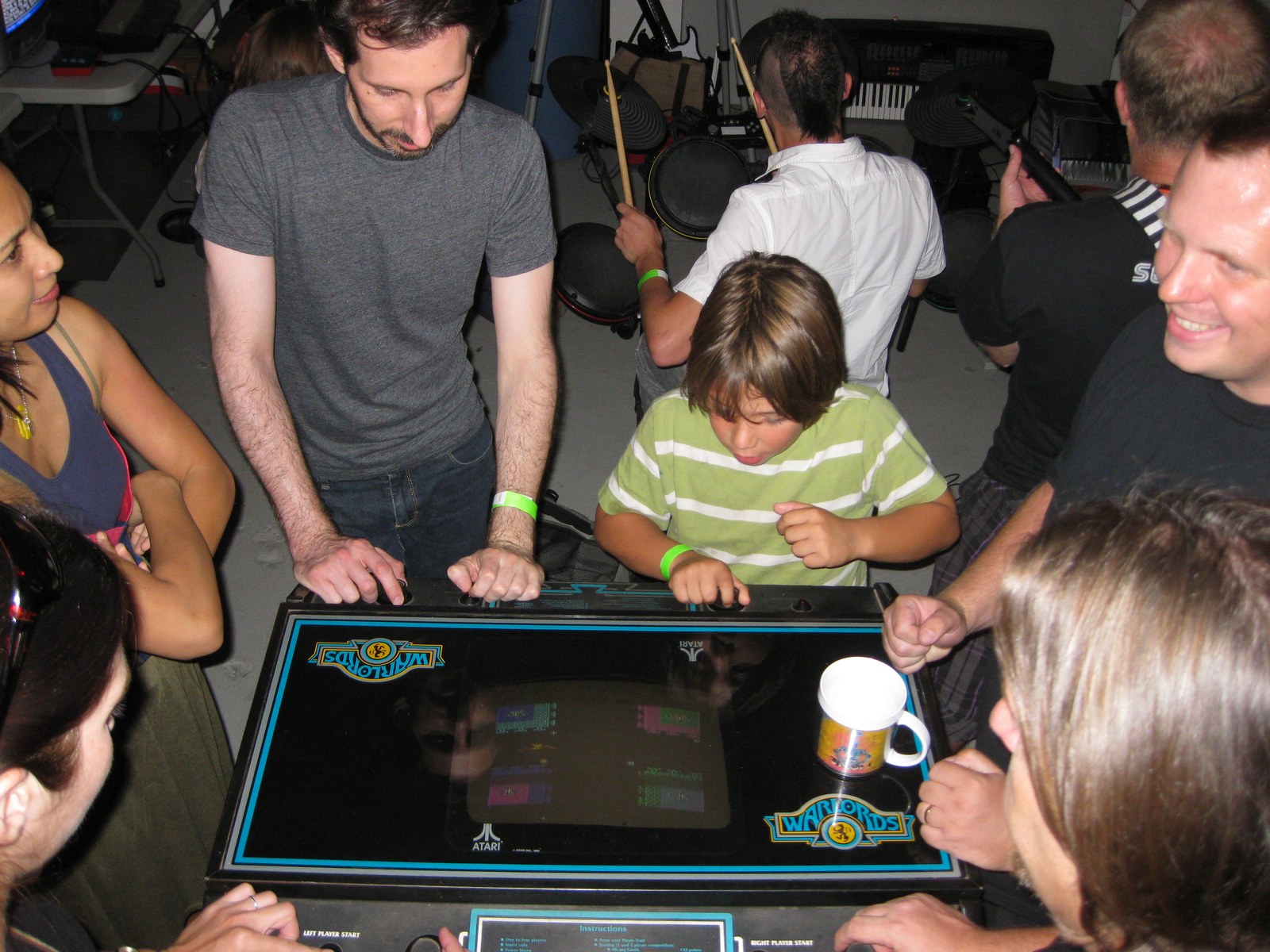
Warlords was pretty great too. I’m a big fan of Rampart and would simply describe Warlords and a fast-paced mix of Rampart and 4-player Pong. This seemed to be one of the most popular and socially interactive machines on the floor! Great machine!
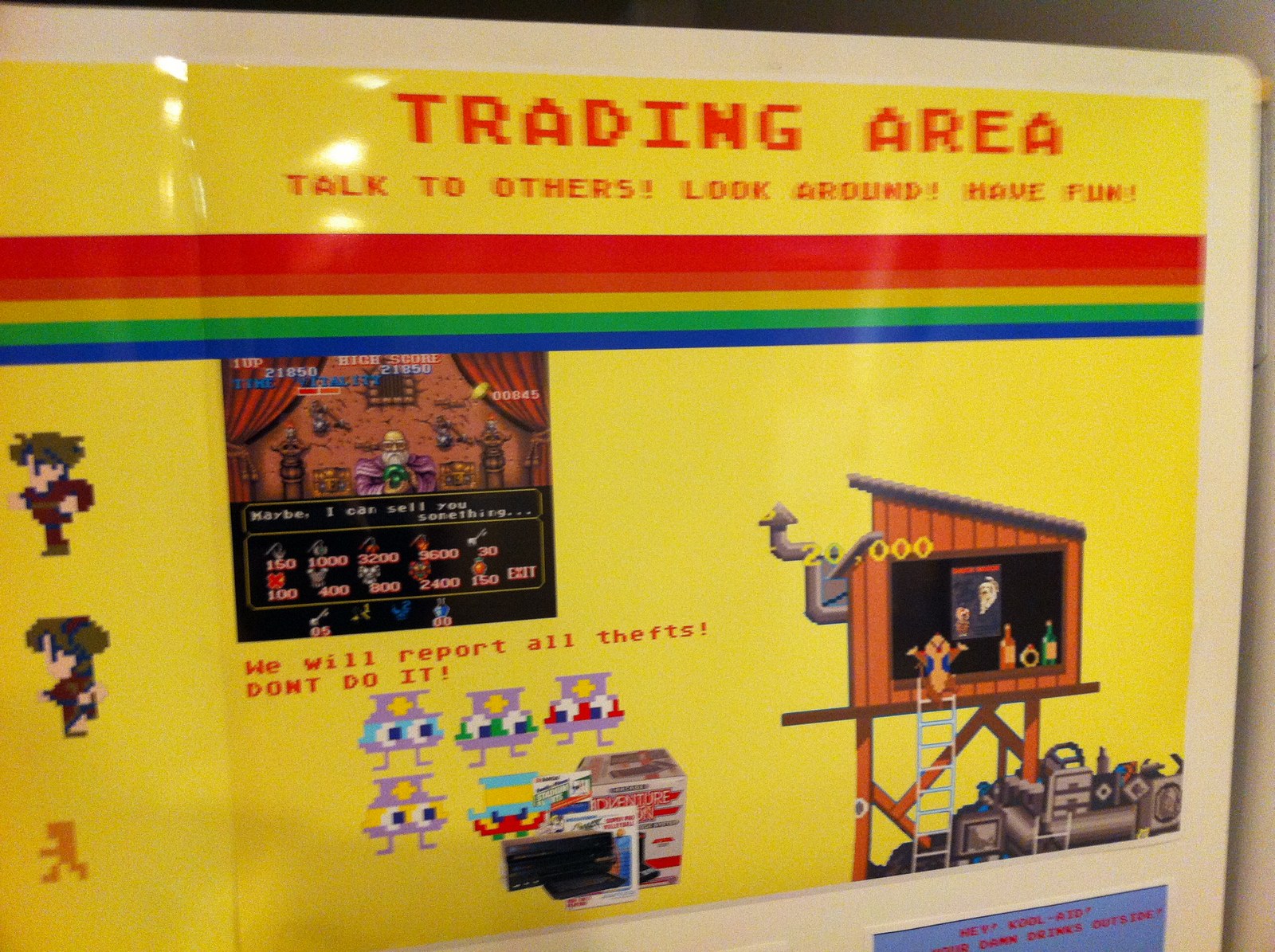
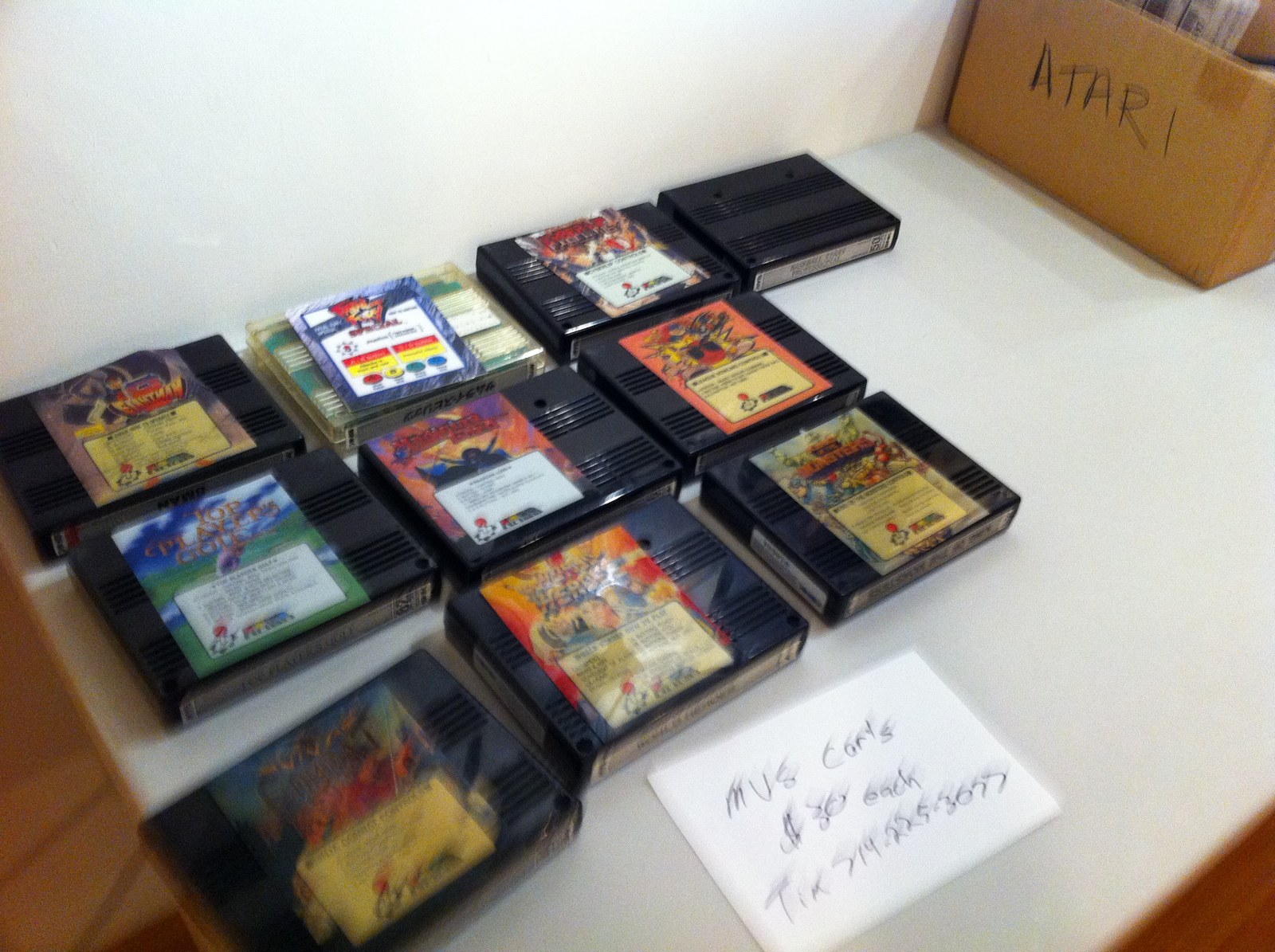
We had a little sale table at the event. It was great to sell some video game repair tools and to chat with other collectors. However, I was happy to know that people at SC3 function on an honor system with buying and trading. That meant we didn’t have to camp out at our table and spent a majority of our time out on the arcade floor!
Mike Kennedy of GameGavel.com did a pretty great raffel in which every ticket holder got a prize.? Well done Mike!
SC3 was a hit, and we’re already looking forward to the next one!
Game Cleaning Tips: Restoring the Outside of your Retro Gaming Cartridge
We all know the joy of finding a retro video games. Perhaps it’s one you’ve wanted to play for a long time, or maybe you’ve finally hunted down a super rare one for the collection. Unfortunately, 20+ year old games are rarely in top condition. I’d like to go over some tips for cleaning the outside of your retro gaming carts. (If you want to clean the game’s contacts inside, check out our internal cleaning guide.)
I’ve cleaned hundreds if not thousands of NES, SNES, N64, Genesis, and other retro game cartridges. While that often means just a quick touch up, many times it’s involved super extensive marker, dirt, and sticker removal. Murphy’s Law suggests that the rarer the game, the more likely it is that someone will have put a name, sticker, or some other horror on the label. Anyway, through trial & error, talking with fellow gamers, collectors, game store owners, and people at pawn shops, I feel like I’ve learned quite a bit. I’m always open to your tips and suggestions. This guide covers some of the wisdom I’ve learned along the way. As always, proceed at your own risk and do your research and safe testing before trying to clean your rarer games.
OPENING GAMES
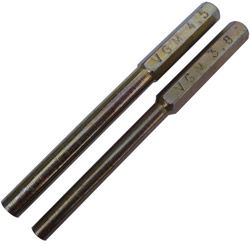
First off, it’s handy to be able to open the games. This generally isn’t 100% necessary, but it’s insanely helpful if you have grime in the cracks between the game’s casing, etc. Additionally, it’s quite useful if you ever want to change your video game’s battery in order to regain saved game functionality. There are two main bits that you’ll want to pick up if you’re a collector. Both of these bits fit into your standard screwdriver handle. Additionally, both game opening security bits can be purchased at our eBay store.
3.8mm Game Security Bit allows you to open your Original 8-bit NES, SNES, N64, and Game Boy game cartridges. If you’re an old school Nintendo game collector like me, this is a must have.
4.5mm Game Security Bit allows you to open your Super Nintendo, Nintendo 64, and Game Cube consoles. Additionally, it?ll allow you to open your Sega console and Sega Genesis & Mega Drive game cartridges.
CLEANING THE OUTSIDE OF YOUR GAME
First things first, grab a couple rags and your favorite cleaning supplies.? As you’re looking around, here’s what I suggest:
Tools: Rags, Old Tooth Brush, Blow Dryer, Security Bit
Removing Dirt: Spray a rag with Windex or some similar sort of cleaner, and start scrubbing that plastic.? Just be careful not the wet the game’s label.? If the label itself is dirty, you can still attempt to clean (with caution).? If the label still has its gloss finish, you’ll probably be ok.? If it’s more of a worn and faded matte finish, be especially careful. Oh yeah, you can use a dry or slightly moistened old tooth brush to clean dust and grit out of those harder to reach places on the cartridge.
Removing Magic Marker: It’s pretty common to find a person’s name written in magic marker on old games.? People did this to prevent games from getting mixed up during sleepovers, etc., but it’s a big eye-sore now.? Your main two tools for removing magic marker are magic erasers and rubbing alcohol.
Magic Eraser: If you’re using a magic eraser, just lightly moisten it, and start scrubbing.? Since this is basically a specialized sponge, be careful not to let the water run from the sponge onto anything that might be damaged.
Rubbing Alcohol: If you’re going to use rubbing alcohol, just moisten an area of your rag, and start rubbing the ink/marker covered area. Given time, these two methods should remove most marker and probably any nearby dirt.
Removing Stickers & Tape: Lots of game stores & rental places put stickers on games. Dealing with these is probably the worst part of cleaning games. Use extra caution (and a ton of patience) when removing with stickers. Here are a few methods for removing stickers:
Peel & Scream: Well, this is the obvious method and definitely the worst one. Sort of like taking off a band-aid, you can grab a hold of that sticker, peel it fast, and pray for the best. Extra prayer is recommended if the sticker is on a label, since prayer is about the only thing preventing this method from destroying the game’s label underneath. In reality, you shouldn’t use this method unless the sticker is on a safe area of the game’s plastic.
Windex: Using Windex you can lightly moisten the surface of the sticker. Let it sit for a minute or two. The Windex should soften up the sticker over time and will let you scrape it away with a fingernail. As a note, this method is extra risky if the sticker is on the game’s label. Additionally, it obviously doesn’t work on waterproof stickers, vinyl stickers, etc.
Blow Dryer: It turns out that blow dryers (aka in man-speak as “heat guns”) are pretty awesome for removing stickers.? The idea is to use hot air to heat up the sticker.? The sticker’s glue generally starts to soften and loosen up when heated.? When done just right, that means you’ll hopefully be able to simply heat and peel off the sticker.? The trick here is tons of patience.? A stubborn sticker may need to be heated, partially peel, reheated, peeled a little more, reheated, etc.? Since thrift stores seem to love using packing tape to bundle items, this method is pretty good for removing that sort of material as well.
Goo Gone: Once the sticker is off, it’s time to get rid of any sticker residue.? Goo Gone is great for this.? Just apply a little to your cleaning cloth and start working on that goo.
If you haven’t already, check out our YouTube videos for cleaning & repair tips.? If you want to clean your game’s internal contacts, check out our internal cleaning guide.? Best of luck as you’re restoring your retro gaming collection, and happy retro gaming!
YOUR METHODS?
I hope this guide will give you some ideas for cleaning your cartridge based video game collection. If you have any cleaning tips or suggestions for this guide, just send me a message or post a comment below, and I’ll be happy to add them.
As with any guide, experiment and find out what works for you. Feel free to check out the Video Game Museum Amazon and eBay stores for rare vintage games and cartridge opening bits. Most of all, happy collecting and have fun!
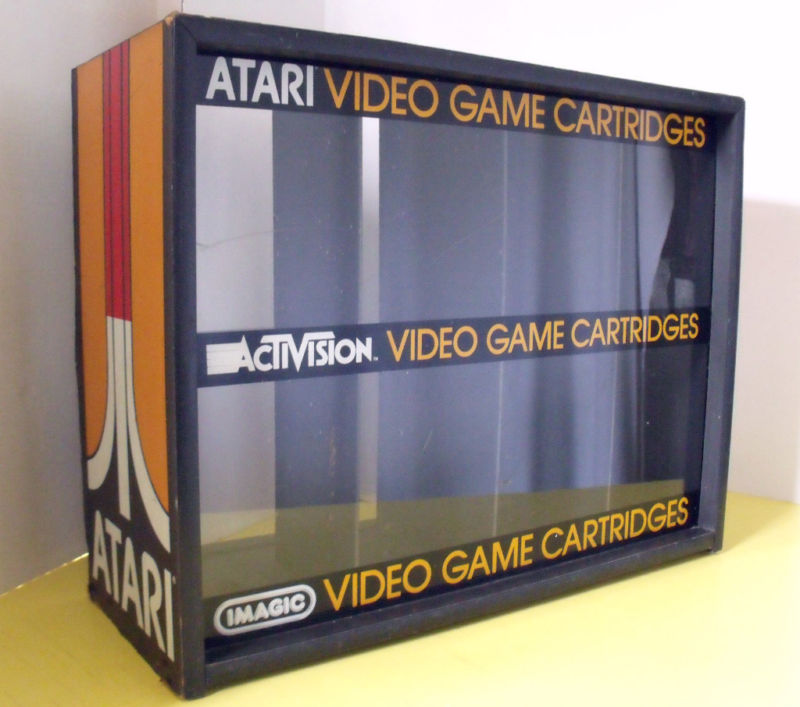
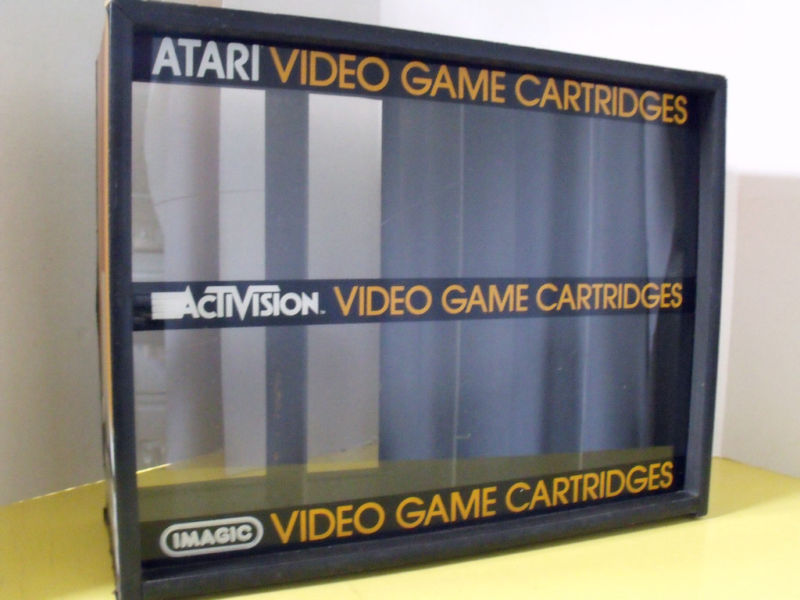
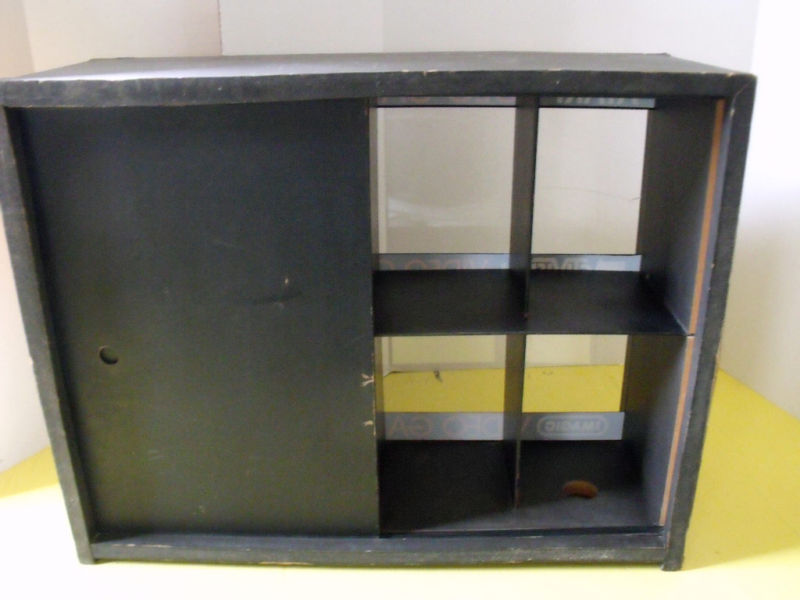
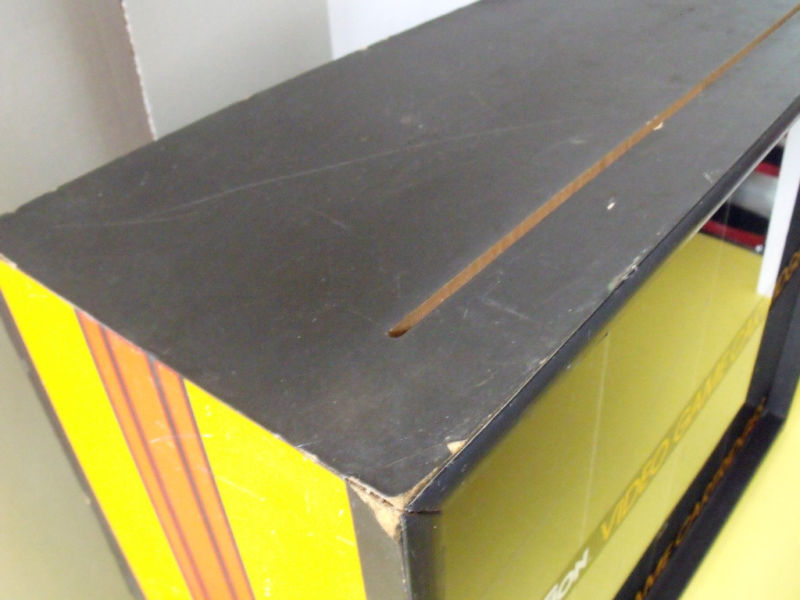
Acrylic front, two sliding doors on back, Atari graphics on two sides, eight divided compartments inside that measure 5 5/8″ by 8 1/4″.
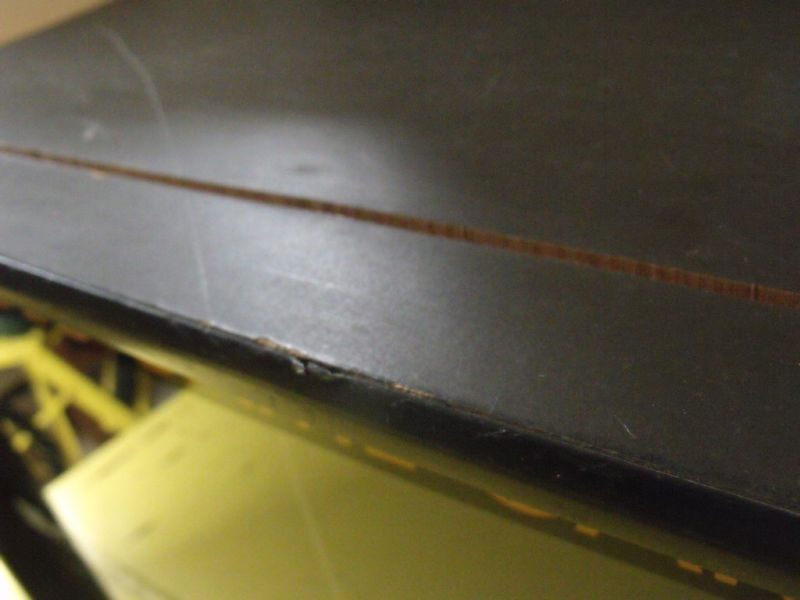
Made of fiberboard and particle board….it shows normal age and wear, though still in very good usable shape.? There are a few dings at the edges, scratches on the acrylic front, wear at the corners and the sliding doors are a little hard to slide at times.
The total measurements are 19 1/4″ high, 24 1/4″ wide and 9 1/2″ deep.
Would you pay $30,000 for a computer? How about $2,500 for a Nintendo promotional item? Collectors love eBay, and this past few weeks’ sales demonstrate that well. Here are some of my favorite active and ended rare video game items on eBay.
Interesting Items on eBay
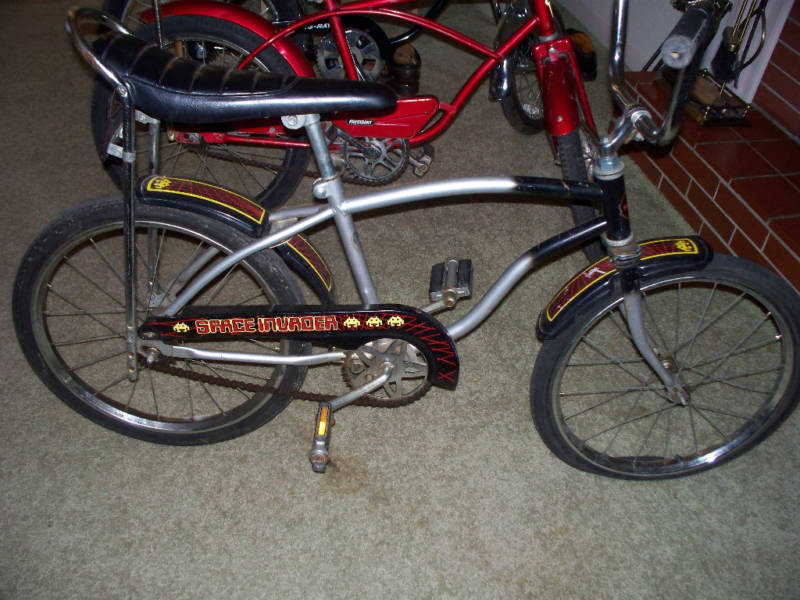
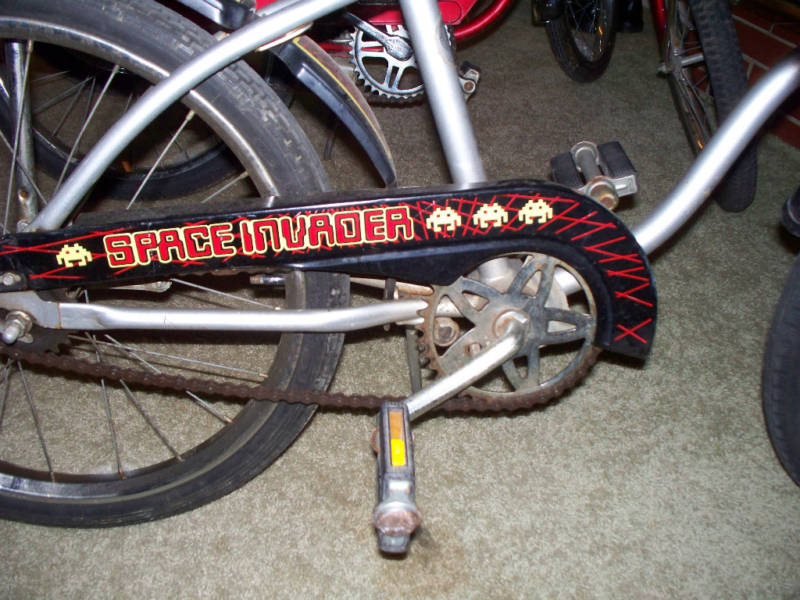
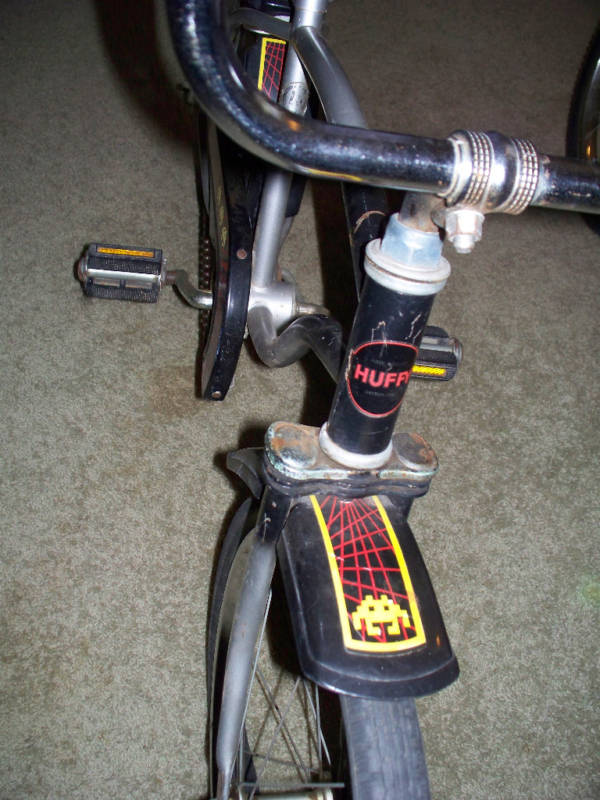
Rare Huffy Space Invader Muscle Bike Bidding is $40.00 USD with less than a day remaining. Ummm, how isn’t this the most awesome thing ever?
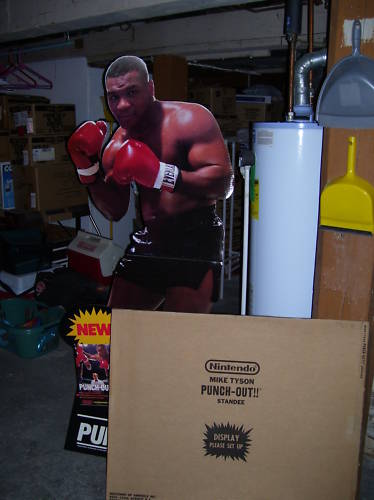
Nintendo NES Mike Tyson Punchout Standee 1988 Bidding is $51.00 USD with less than a day remaining.? That’s not a bad price since one of these sold in 2009 for $445.00.
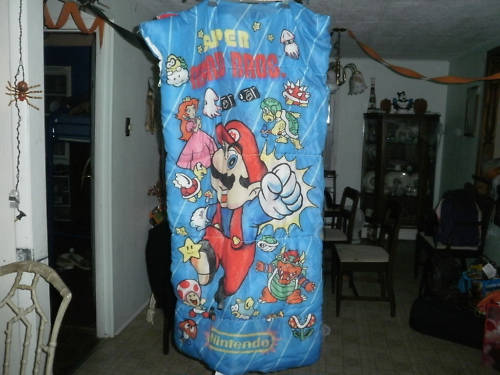
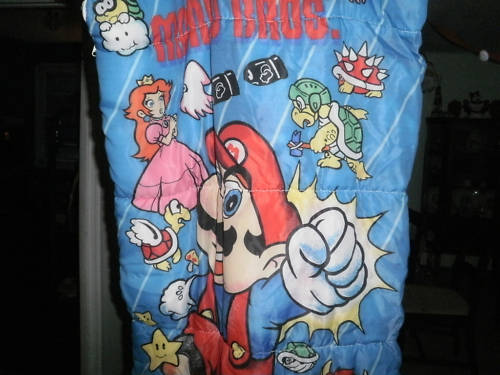
Super Mario Bros Sleeping Bag Bidding is only $8.00 with one day remaining.
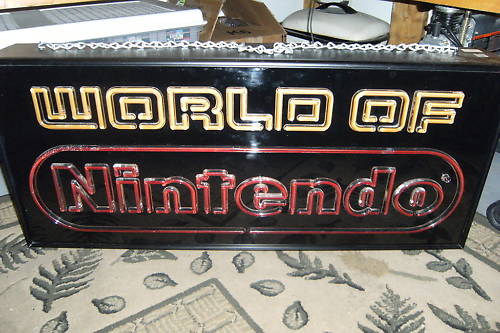
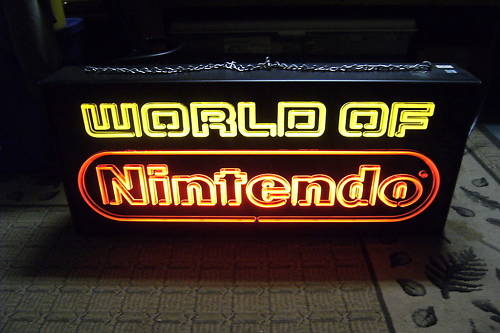
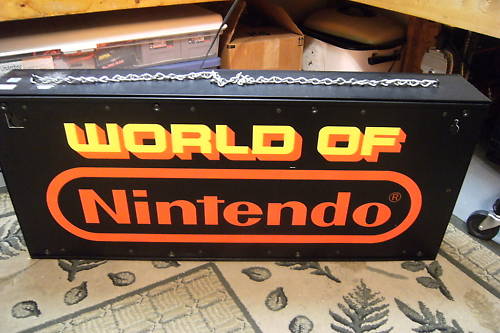
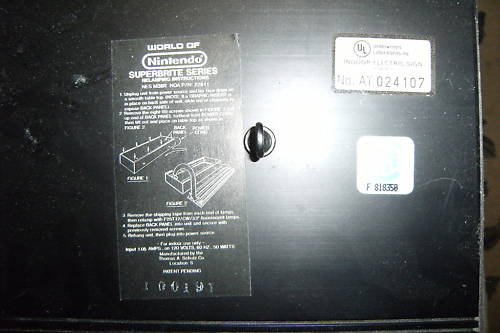
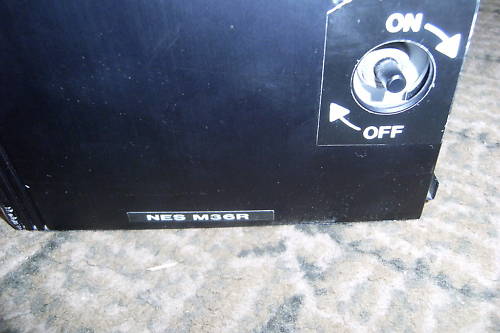
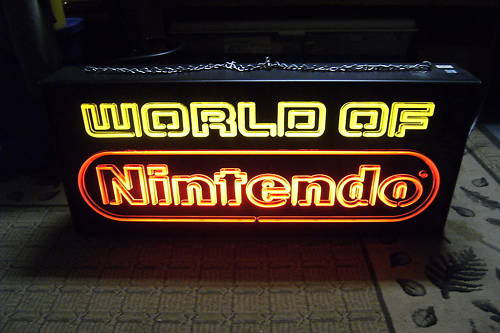
World of Nintendo Superbrite M36R Promo Sign Bidding is currently $143.39 with one day remaining.
…This is a superbrite series made by Thomas A. Schutz Co. … The sign has World of Nintendo on both sides, except one side lights up and the other side does not. So I figure this was probably made for a store window to light up the outside and be able to also read it from the inside. … The signs measurements are 36 1/2″ long, 16″ tall, and 6″ deep.
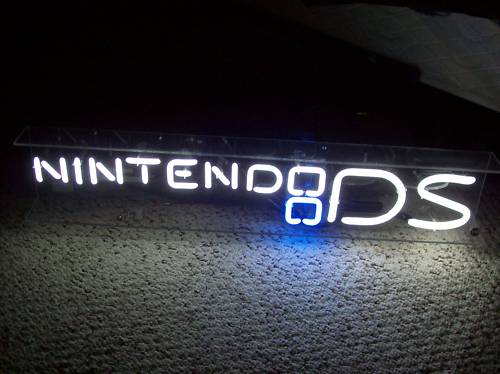
Nintendo DS Neon Sign Starting bid is $50.00 USD.
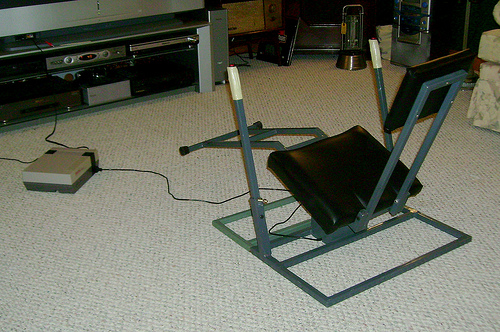
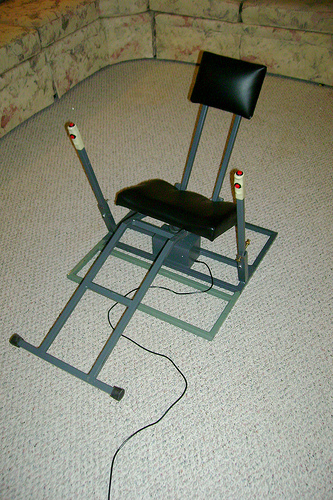
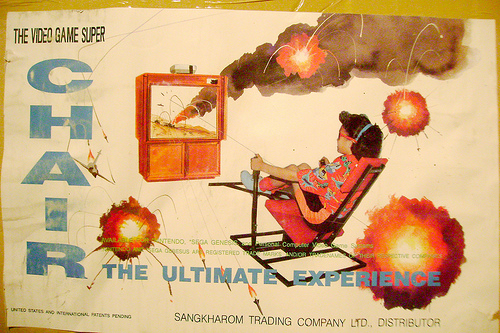
Super Chair Nintendo Controller Accessory Bidding is currently $100.00 with 4 days remaining.
RACERMATE Challenge II Starting bid of $9.99 USD.
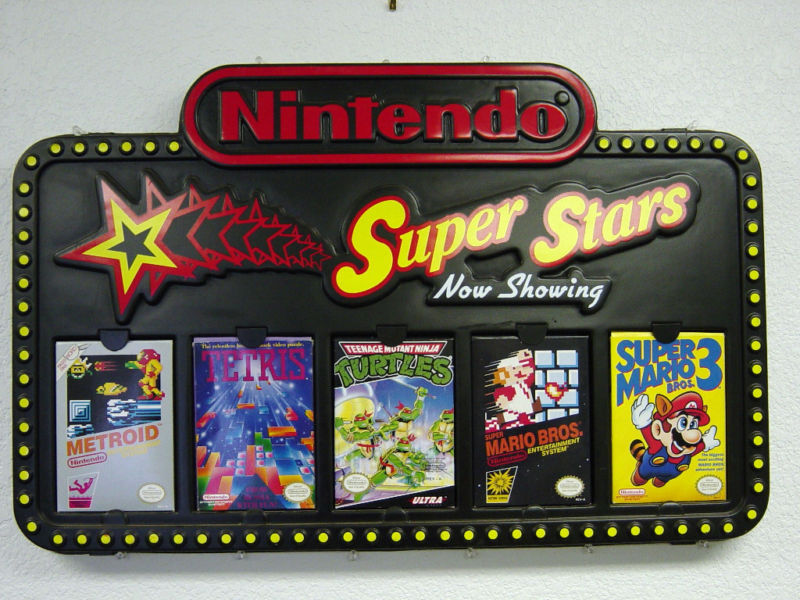
NES Super Stars 5 Game Store Display With a buy it now of $499.99, I’m doubting this will sell. However, it’s an undeniably awesome way to display your 5 favorite NES games in their boxes.
Ended Items on eBay
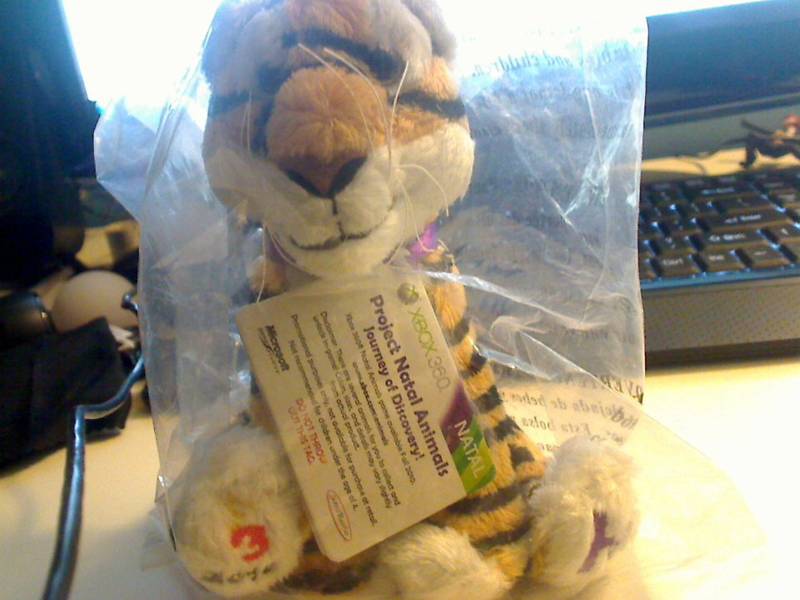
Project Natal Animals (Kinectimals) Kinect ***RARE*** Sold Nov. 4, 2010 for $212.50 USD.
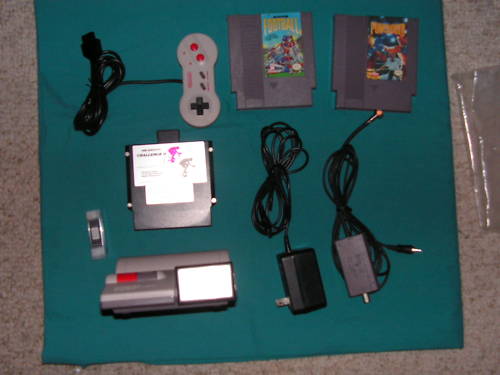
Racermate Challenge II Sold Nov. 3, 2010 for $211.38 USD.? This lot also included a top loader NES as well as the controller adapter for the Racermate cart.
Nintendo Mario 1988 Media Kit Rare Original MINT Sold Nov. 2, 2010 for $115.39 USD.
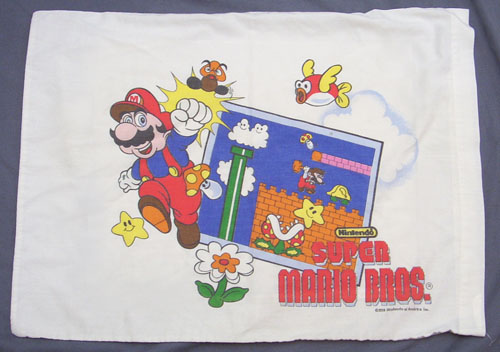
1988 Super Mario Bros. Zelda Pillow Case sold Nov. 1, 2010 for only $3.99.
Nintendo M82 Kiosk Sold Oct. 20, 2010 for $2,500.00 USD.
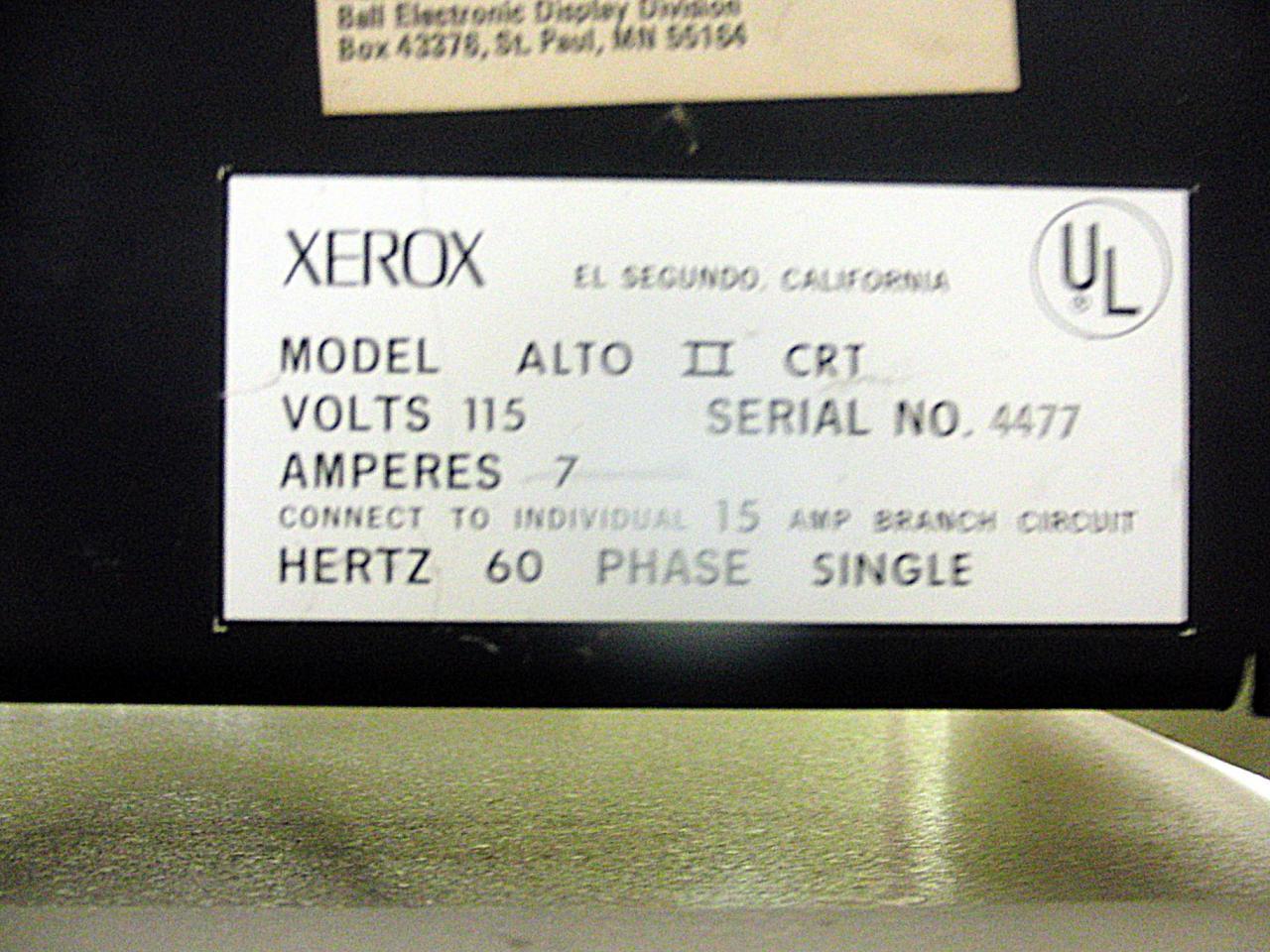
Xerox Alto Vintage Computer System Sold Oct. 17, 2010 for $30,1000.00 USD.? Yeah, that’s typed correctly.? This computer sold for thirty thousand dollars!
You are looking at a system-complete, never commercially sold Xerox Alto. This is grandfather of all modern computing. First produced in 1973, the Alto was WAY ahead of it’s time, including:
1) Full ethernet networking
2) A 3 button Mouse (first in a non-DARPA computer)
3) a Full-page portrait CRT
4) Graphical user interface
5) The first WYSIWYG word processor
6) The first integrated email application
7) The first graphical network based computer game (Alto Trek!)
8) The first WYSIWYG integrated circuit design software
9) The first implementation of the Smalltalk development environment
10) Bitmapped graphics, menu’s, icons, the “folder” metaphor for storage, etc….
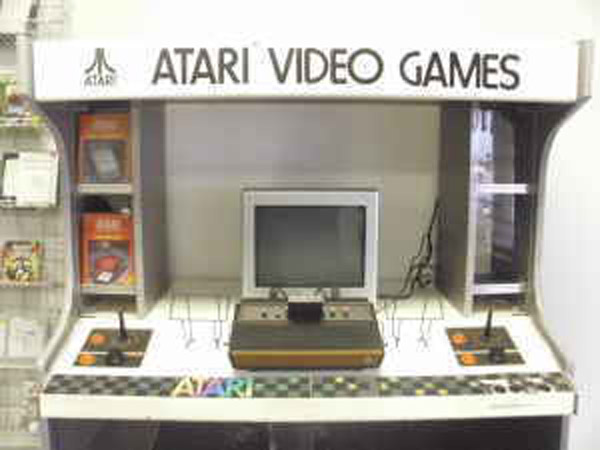
If you’re like me and think that vintage video game kiosks are the coolest, then the Atari “POP” Kiosk is possibly the king of cool.
Atari VCS POP Dealer Demo Kiosk 1981 1982
The seller is asking $1,400 USD or best offer. Naturally, this sort of item lends itself to local pickup or freight shipping.
This unit is from around 1981 and is a Atari 2600 in-store “POP” Point of Purchase display demonstrator. Atari’s marketing recognized early on that having an in-store presence such as displays, demonstration systems, brochure racks and so on was important to?maintain its leadership in the video game market. Atari supplied its authorized sales centers with every conceivable form of marketing products.*
The POP is a microcomputer that enables the user to select any of the ATARI ROM cartridges installed on the PCB and play it for a predetermined period of time.
An incredible 41 games were built into this unit making it not only a hulk in size, but a pretty impressive kiosk.? (Note that an Nintendo M-82 can switch out 12 games.)



 San Diego Comic Con is a beast.? It’s the biggest, baddest giant in town.? Yet, surprisingly, growing between its toes is an event called Gam3rCon!? Rather than withering in SDCC‘s shadow, Gam3rCon is thriving!
 Ok, so Gam3rCon is small and independent…but not really that small.? These guys and gals rent out a five story building and pack it with an insane amount of content.? Upon entering, a gamer walks into an old church sanctuary that has been converted to a shrine to gaming with dozens of Xbox 360s and PS3s.? Shooters, fighters, and DoTA seemed to dominate the scene, while a driving simulator was projected on the wall.
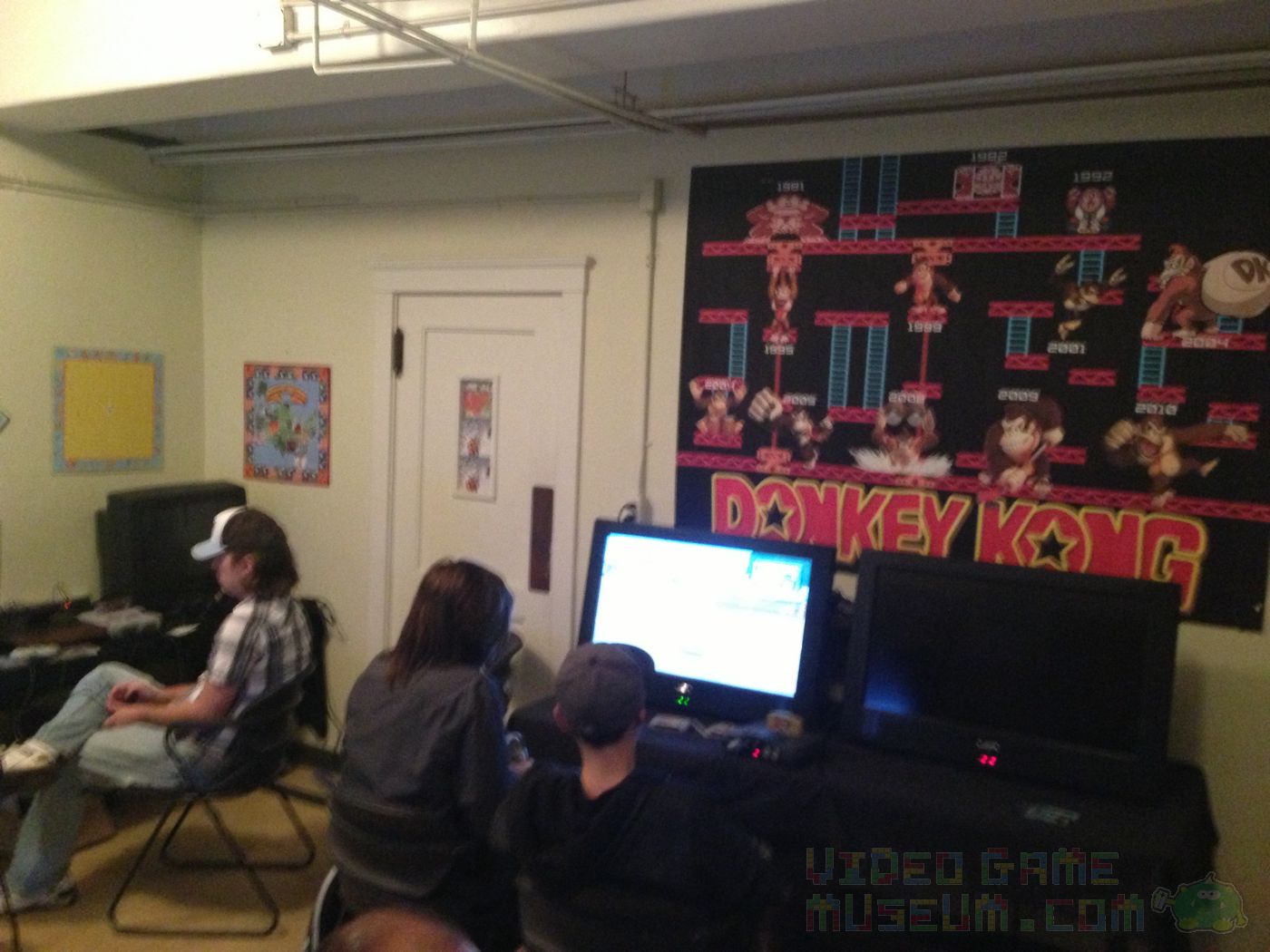 All the while, upstairs is a retro gaming room complete with Atari, NES, SNES, N64, Dreamcast, PS2 and a freak’n rad Fairchild Channel F!? Yup, that’s the room where I parked for a bit.










































































You are looking at a system-complete, never commercially sold Xerox Alto. This is grandfather of all modern computing. First produced in 1973, the Alto was WAY ahead of it’s time, including: