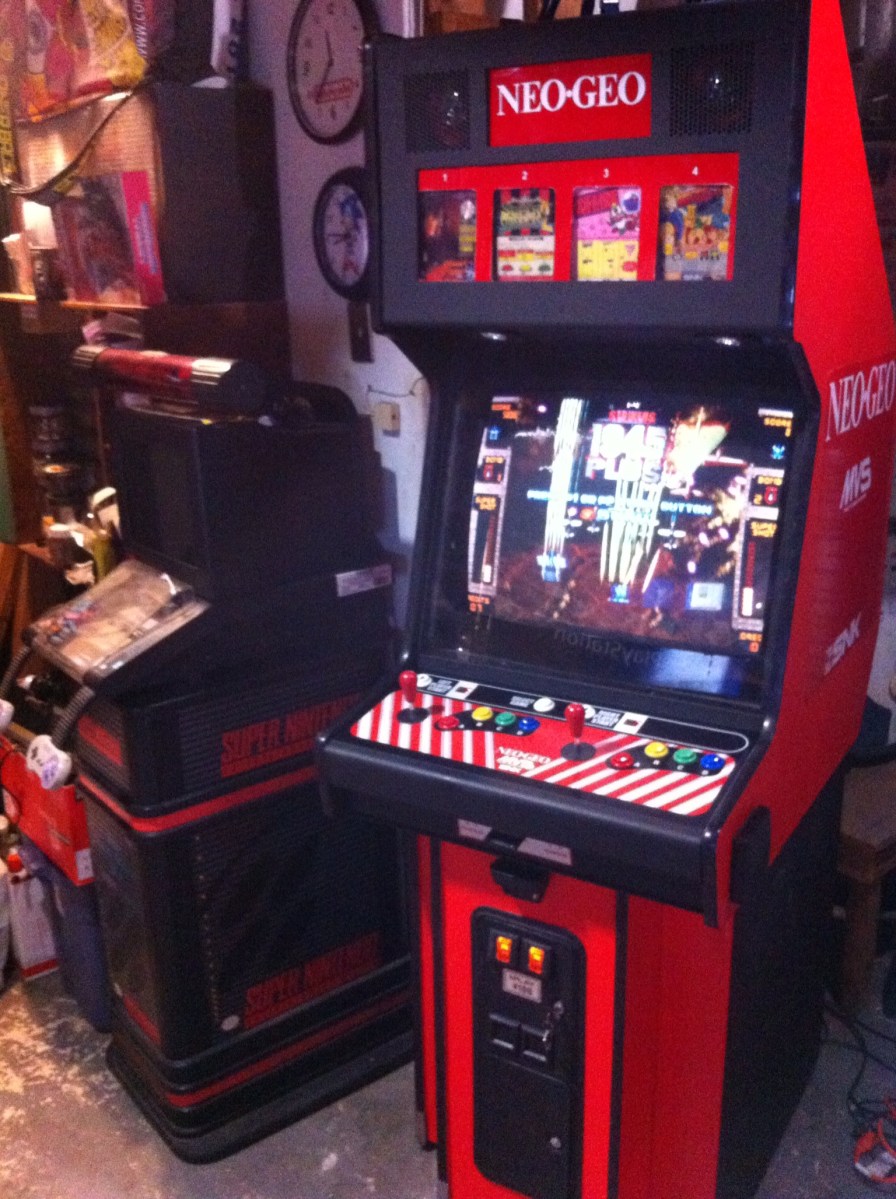
Growing up in small-town America, the local roller rink was a kid’s dream. Not only could we roller skate to Ghost Busters and fall dead to a weird “Dead Bug” song, but it was the only place in town with an arcade.
The Neo Geo Romance Begins
In an era dominated by the beloved NES, arcade machines stood tall and maintained command of our curiosity and our quarters. Within the dazzling array of arcade machines, the Neo Geo created a lasting impression on me as a 10 year-old. Not only could this machine produce deeply rich visuals, but it provided fantastic, engaging game play!? Just as incredible as the Neo Geo was, we kids were equally intrigued by the idea that some rich kid could own a home version. Yet with a price tag of around $650.00, we kids simply placed the Neo Geo into the ethereal category of unattainable gaming systems.? Naturally, that made us all the more attracted to it. It was the holy grail, and the closest we’d ever come to owning a Neo Geo would be to plunk in our quarters and to buy a few minutes of time in front of our local Neo Geo MVS arcade machine.
Some twenty years later, with that same childhood dream still smoldering in the subconscious, I decided to start looking for a Neo Geo. After doing a bit of research, I realized that the Neo Geo MVS was a bit more reasonable to purchase than the home AES version.? Sure it’s a full sized arcade machine, but price and game selection won out! Armed with my trusty Craigslist app, I checked for Neo Geo items every day for about a six months before pulling the trigger…and I couldn’t be happier!
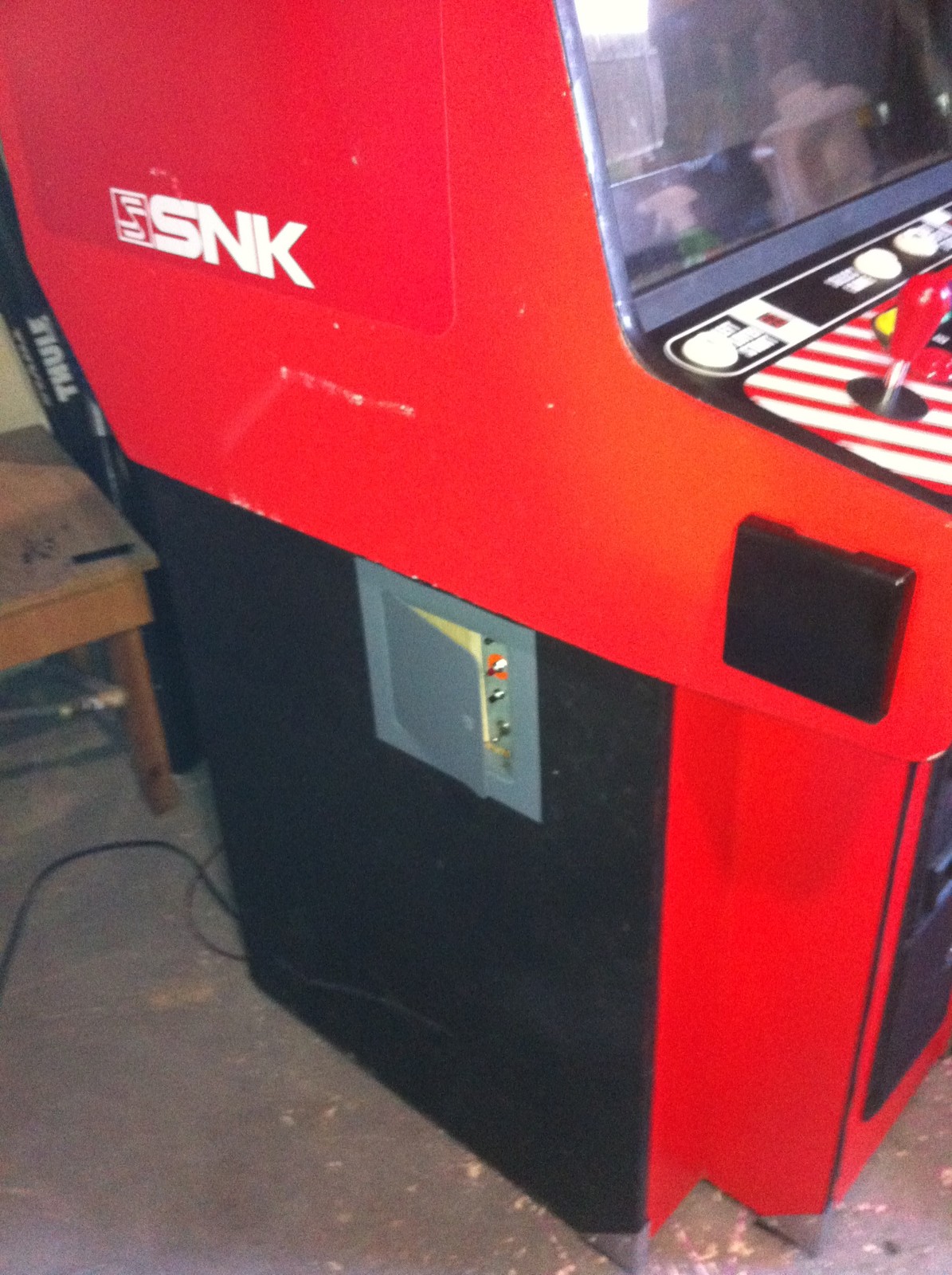
Apparently this particular MVS had a tough life in east county San Diego. However, the previous owner Lou took incredible pride in restoring this machine: painted, new decals, new joystick, buttons, plexiglass, locks, etc. Heck, he’d even added high-end cup holders to the sides (‘atta boy!). The price was right, and Lou was even cool enough to help set it up once a buddy and I trucked it over.
Moving the Service Panel
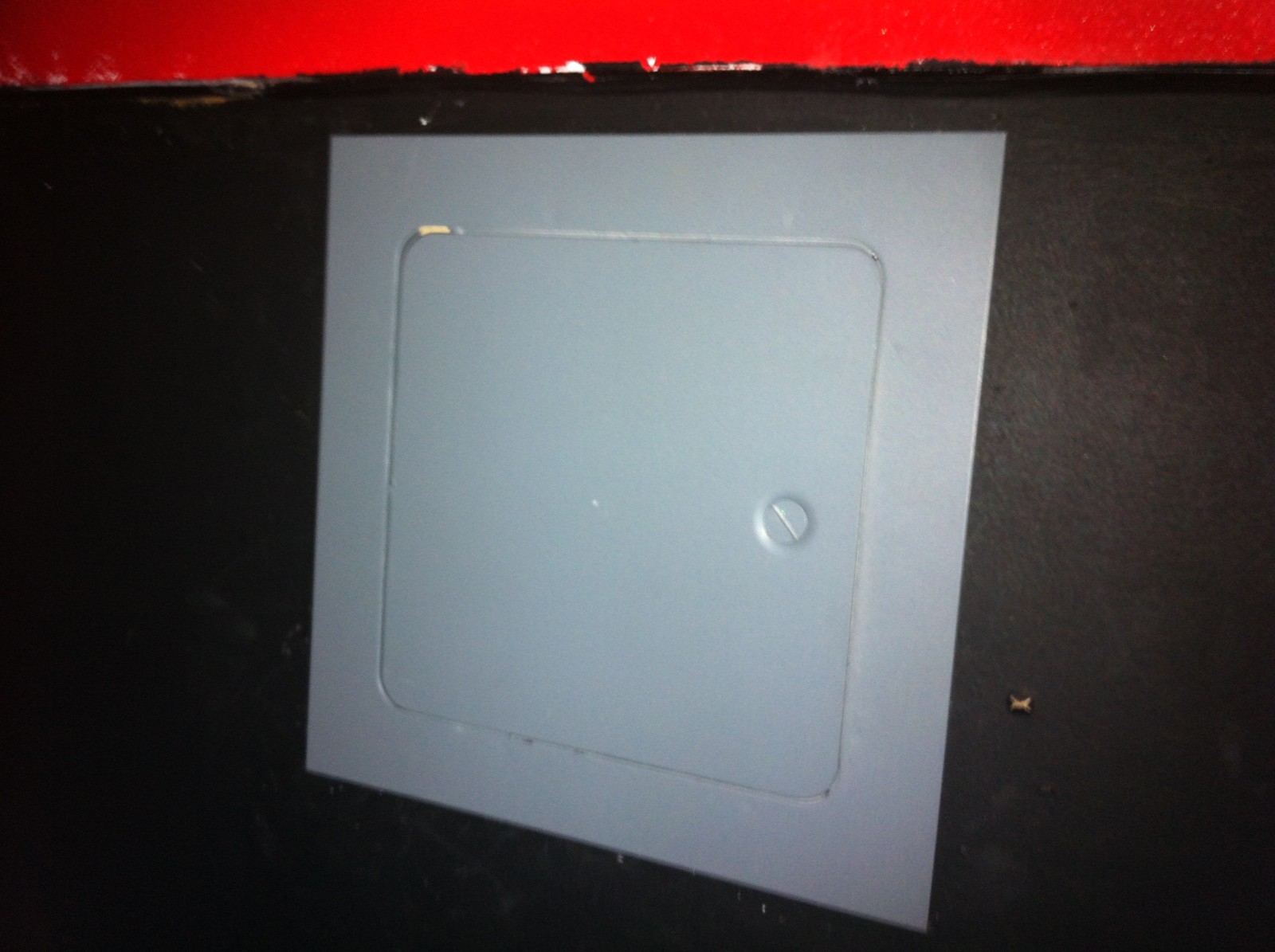
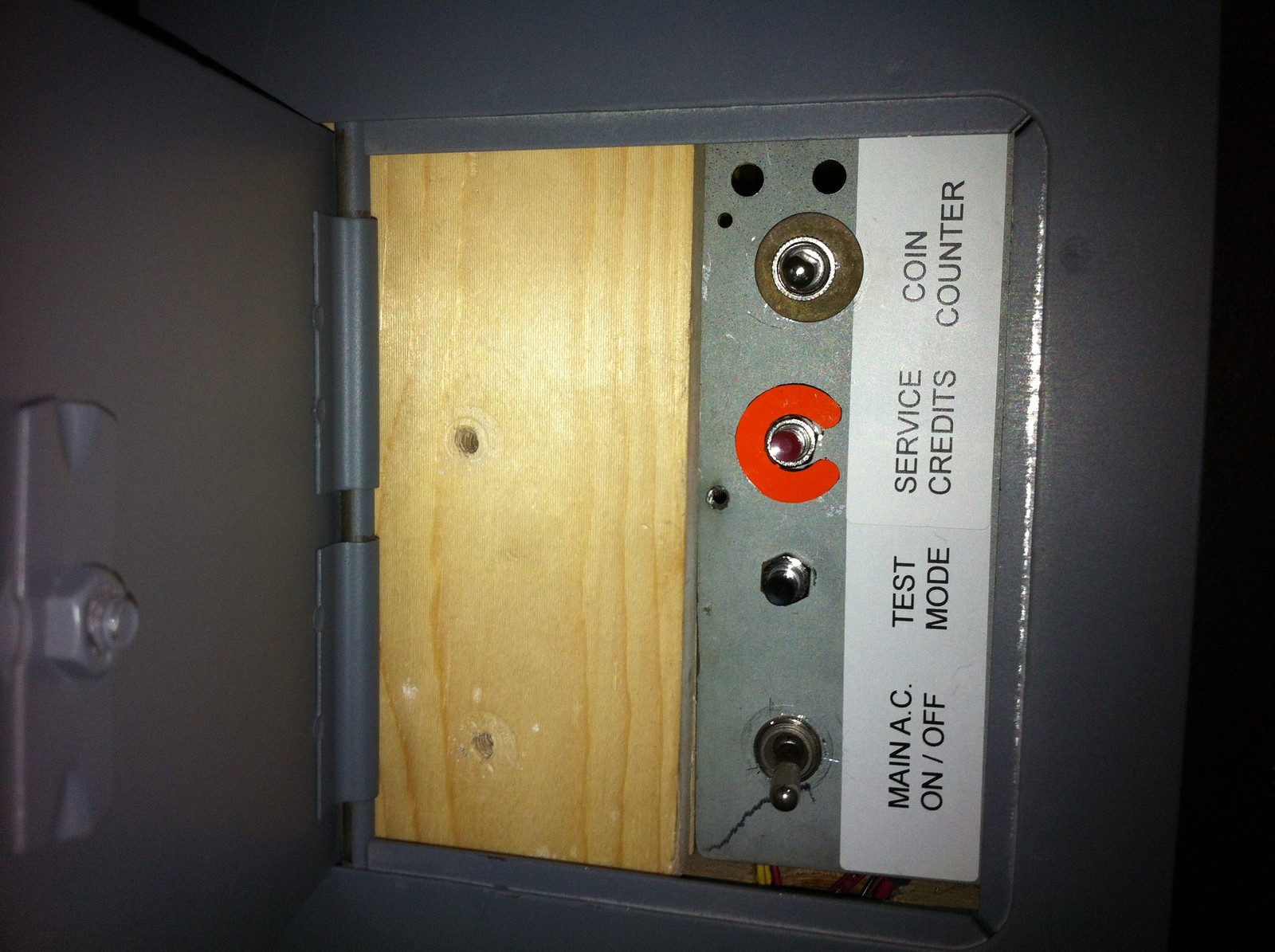
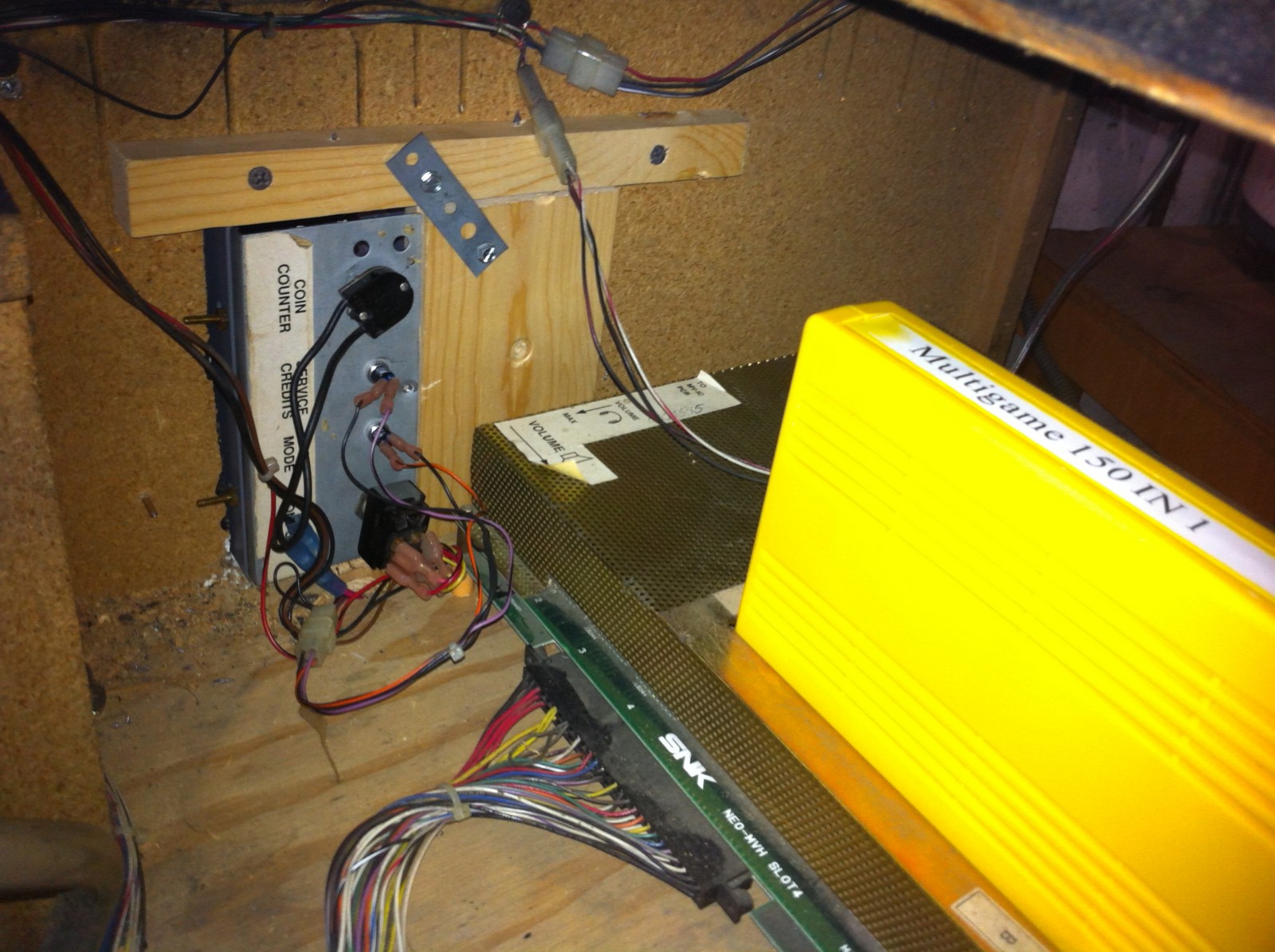
One mod that Lou hadn’t finished was the service panel mod. He had cut a 6″x6″ hole, moved the service panel to the side, and horizontally mounted it. The hole was cut quite well actually, so the door he recommended I order worked quite nicely.
Due to the depth of the door, I had to flip the panel’s mounting bracket inside out and mount it vertically so that it wouldn’t hit the door. Aside from my questionable paint job, it came out quite nicely…so pretty.
Lessons Learned
1) I seriously need to work on my painting skills.
2) Having purchased and collected countless retro gaming items and having experienced the onset of buyer’s remorse more than a few times, I have to say that my MVS has become a favorite purchase and a solid continued sense of entertainment!
3)? If you buy an MVS, introduce your wife or significant other to Puzzle Bobble. It turns out my wife both loves this game and is able to consistently destroy me in it. As they say, happy wife…happy life…and happy collecting! 🙂
Philips = Philips head screwdriver Tri-wing = Tri-wing head screwdriver 1Bit may not be long enough to reach screws without removing plastic 2Works for most games 3Check game’s internal circuit board to identify the battery needed. It should be labeled either “CR2025” or “CR2016“. 4The Sega Dreamcast’s VMU requires the use of two (2) CR2032 batteries.
Additional Info: See our video cleaning and repair guides for our favorite methods for easily cleaning and repairing your retro gaming collection.
Sharing: You are welcome to share this chart in unedited form so long as you offer credit linking to VideoGameMuseum.com
Feedback: We would love your feedback!? Please send feedback and suggestions to mark{at}videogamemuseum.com simply comment below.
“I saw an internet article on the 10 most valuable games in the world. Mine was on it, and it was a prototype!”
Shortly after making that realization, Greg Pabich contacted me at VideoGameMuseum.com and several other forums. The man was on a mission. He wanted to figure out what he had and what he should do with it. Not only was Greg able to confirm that he had a unique prototype, but upon testing it, he also realize that he had an entirely different Cheetahmen game from that which was released on the normal version of the Action 52. He’d discovered the long lost Action Gamer.
While he first contemplated auctioning it off, “The more I became involved in it, the more I learned about the fact that it could be duplicated.” It wasn’t long before Pabich’s entrepreneurial imagination took off. He loved the reaction people were giving Cheetahmen on the internet. “What gets me is that people either hate the game or go peeing-your-pants crazy about it!”
“All I’ve done is taken a game that everyone loves to hate and that isn’t very playable by today’s standards, and I’ve tried to create value and added value. I’ve done everything to make it a full-scale professional game: a nice box, high-end t-shirts, CDs with cheetah music, posters, hologram label, etc. I’ve been working on an entertaining website. I’m trying to tell the story, to convey history, and to entertain people.”
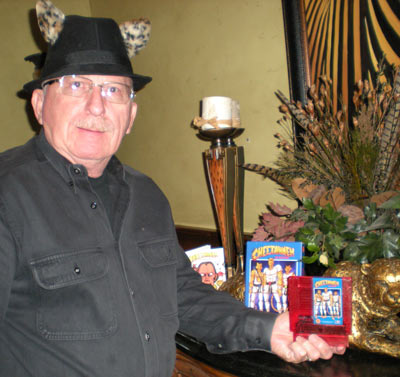
So what exactly has Greg Pabich been working on? Well first off, not everything is finalized. However, he’s put together two purchasable Cheetahmen: The Creation packages: a Special Collector’s Edition and a Regular Edition.
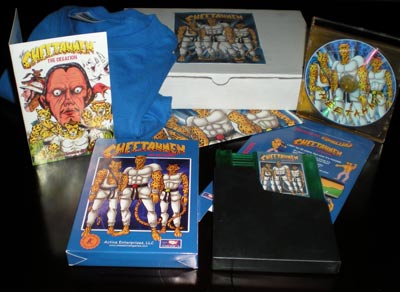
Cheetahmen: The Creation Special Collector’s Edition includes the following:
Factory-sealed game (clear cartridge) and box
Unsealed game (green cartridge) and box
Classic Cheetahmen: The Creation Comic (reproduction)
Cheetahmix Music CD
“Audacious” Cheetahmen T-Shirt (Sizes Large or X-Large)
Cheetahmen Poster (Size: 15″ x 9″, which will be folded in half to fit in the box)
This Collector’s Edition will be limited to a run of 500 sets. Greg explains that the game cartridges, sealed-game box, and outer collector’s box will all have matching hologram serial numbers ranging from 1 to 500.
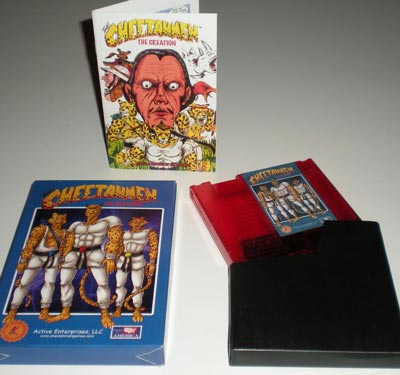
Cheetahmen: The Creation Regular Edition includes the following:
Factory-sealed game (red cartridge) and box
Classic Cheetahmen: The Creation Comic (reproduction)
Pabich explains that this edition of the game will be limited to 1000 games. These will also be hologram-numbered and will follow the sequence of 501 to 1500.
Perhaps you’ve already preordered one of these sets. But all this begs for a few questions to be answered: Who on earth is Greg Pabich? And what could inspire a person to wrap up his time, energy, and finances in such a project? Is this what Cheetahmen fever looks like?
7-Eleven Game Rooms
I had the opportunity to interview Mr. Pabich last week. Greg explains that he was the marketing manager for 7-Eleven in South Texas during the late ’70s and early ’80s. He helped to develop and market 7-Eleven’s line of popular breakfast burritos. “It had to be something a person could eat with one hand while driving.” It wasn’t long before Pabich made the leap from microwave food to gaming. If you played an arcade machine at a South Texas 7-Eleven, chances are, Pabich helped to put it there. He worked to develop game rooms in his stores. Originally 7-Eleven stores had pinball machines but no dedicated space for them.
“The idea was to get game machines out of the storefront area. We needed a dedicated space for pinball; electronic video games were just coming out. Those were going gangbusters! I added mirrors to rooms, changed lighting, added ash trays, and held game tournaments, which were tied into a Muscular Dystrophy Association. That must have been about 1986 at its peak.”
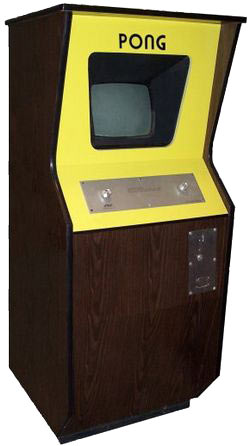
Pabich’s original training wasn’t in electronics, computers, or anything gaming related. “Before 7-Eleven, I got a degree as an accountant and did that for a few years, but I really didn’t like it. As a creative entrepreneur, I wanted to do something more.” Pabich did just that. He purchased a convenience store and built a dozen more. “I was reading an article in Time magazine on Pong, and I was fascinated by it. Atari was out of Los Gatos, CA in 1974 if I remember correctly. There wasn’t any internet or Google. I had to track down someone who knew about it.” Once Pabich got a hold of Atari, he ordered a machine for one of his stores. “The response was weak. People weren’t as enamored with it as I was. I was 10 years too early.” Eventually Pabich pulled the machine from his store and put it in his living room. Sometime after that, he donated it to a school for the deaf. “That was the beginning. Looking back, I wish I’d held onto that arcade.”
Placing Arcades in Theaters
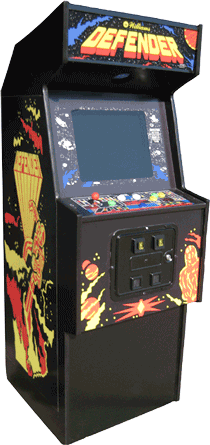
Pabich sold his convenience stores and was hired by a gas station company to convert gas stations into convenience stores. Following that job, he was hired by 7-Eleven as previously mentioned. Pabich was having enough success with the game rooms at 7-Eleven that he started a side business. Pabich got a contract to do the same sort of thing for a theater chain in the Houston, TX area and put games like Defender in the lobby. These were immensely popularly. “Games cost about $2,100, which was a lot of money. But we could generally pay for a good game in about 17 days!” Pabich went on to explain the monetization process. “My company would have a key to open and service the machine. The theater manager would have a key to the coin box, and there was a coin counter inside. That kept everyone honest.” He chuckled as he recounted, “There was one machine that wouldn’t play after a couple days, and the business owner called me complaining. I came over to service it and found out it wasn’t working because it was packed full of quarters. Apparently the same thing was happening all over the place. These were so profitable that Texas limited our payout of machines to business owners to 50%.”
With 7-Eleven’s game rooms taking off as well, the 7-Eleven sold their gaming and equipment portion of the stores to a third-party business who offered to run it. Pabich recounted that the business paid something in the millions-of-dollars range and went under about six month later. No longer managing the gaming rooms, Pabich went back to focusing on his duties as marketing manager. At about that same time, Pabich sold his theater arcade game business.
The Advent of VHS
“We was transferred to Austin in about 1982. My daughter was about seven years old and was having a slumber party. I tried to rent a VCR and a video and it was impossible to do. You had to pay $100 to become a member, $4.95 to rent the movie, $9.95 to rent a VCR, and no one had any of them available. Those were the early days of VHS.” Pabich explained, “If you can’t get anything for love or money and there’s that much demand, then there’s money to be made.”
Pabich found a guy who wanted to place videos in 7-Elevens. “We tried this in two stores. There weren’t many new releases at this time compared to today where new movies come out on video every day. Within a year, there were video stores popping up everywhere.” He kept feeding the idea to corporate. It cost $20,000 to outfit a 7-Eleven to rent movies. Movies had to be purchased new at a cost of $70-90, and “We didn’t have good tracking systems at this time, since there weren’t computer systems or anything for that. Our test stores were doing well. People were renting a movie, buying things, bringing it back, and buying things again: beer, chips, soda, etc. However, at $20,000 times 7,000 stores nationwide (900 in Texas), it was too much money even for 7-Eleven.
Resigning from his job at 7-Eleven with the agreement that he could get a contract for 7-Elevens in Texas, Pabich raised money and found a distributor for used movies out of Portland, Oregon. His new company V.D.O. installed video rental in 200 stores. At the same time, Pabich helped a friend Jerry Welch get a job as president of a similar company Stars to Go Inc.. Pabich eventually took a job working as the VP of Development of that company. “We immediately moved the corporate headquarters to Los Angeles.” He signed contracts for 35,000 convenience stores throughout the US: Circle K, Wawa food stores, some 7-Elevens, etc. “The contract required a minimum monthly payment by the stores. We took that to the bank and financed the contract.” Things were doing well until Black Thursday in 1986 when the stock market dropped. “Our stock dropped from $27 to 13 cents, and Blockbuster went public. I was out of a job in 1987.”
Rags to Riches
Being unemployed, Pabich saw a magazine ad for a guy buying used movies. “I called the guy and asked what he was looking for. I knew used movies were worth about $25 each. Then I contacted a friend who was still at Stars to Go. He said he’d send me a couple pallets of used VHS tapes and that I could pay him once I sold them. Next thing I knew, there were 8,000 VHS tapes delivered on my driveway. They filled the garage. I had no idea what I had, so my family and I manually created lists, collated the lists by hand, and then I called this guy. I Xeroxed my handwritten list and FedEx’d it to him. He wanted to buy them all at $11.25 each! I shipped them all UPS COD and got paid with a cashier’s check. I made $65,000 on the first deal.” In that move his new business Movies & Games 4 Sale was launched!
Pabich must have an understanding wife, because he explained that his next order of VHS tapes filled not only the garage but also his living room. According to Pabich, he then rented a warehouse, which led to a $25,000,000/year business with 127 people on payroll, and a 30,000 square foot warehouse. “Blockbuster was killing mom and pop’s stores. We would buy out inventory from closing stores and resell it to new Blockbusters. Then people started asking for games. I had trouble finding anyone who had a lot of games since that was just getting started.” Pabich approached Babbage’s and encourage them to buy used games. “I felt that people would only buy a car if they could trade in an old one.” They merged with Software Etc which became NeoStar Retail. “I handled their trade-in program, and I was the largest creditor as NeoStar declared bankruptcy. There were bids for who would buy, and I got to put in my preference for Barnes & Noble. They paid me $1.3 million.”? Eventually, Barnes & Noble would create the gaming giant GameStop. According to Pabich, they did so by adopting his model of buying used games. He notes that he also had a buyback program with Toys R Us. “I was the only guy back then who could handle the quantity.”
From Prototype to Collector’s Edition
As perhaps any retro gaming geek would be, I’ve been intrigued by this game, its story, and Pabich’s process of bringing Cheetahmen: The Creation to the light of day. In putting all this together, Pabich explains, “I’ve met a lot of interesting people. The guy who did the commercial did a great job. I have a friend who did the artwork, who did a fantastic job. Most have been quite helpful and positive. Uncle Tusk has handled boxes, comics, posters, box label printing, and game label printing and has done a fantastic job! I was amazed at the quality of his work. RetroZone has handled the cartridges.”
Hearing Pabich’s story, it’s no wonder to me that he managed to meet the infamous Vince Perri and to obtain the earliest known Action 52 prototype. As a reminder, his prototype contains a unique early version of Cheetahmen called Action Gamer. “This game seems to be the turning point at which Vince put real time into the game, developed an idea of franchising a character, comic, and cartoon. I’m trying to capture that.”
Pabich’s history is full of his taking ideas and opportunities and running with them. As I try to put my finger on his motivations for turning his prototype into playable NES cartridges, it seems clear. Pabich is an entrepreneur. He’s a risk taker who isn’t afraid to invest his own money, time, and pride into something as crazy as releasing a new playable Cheetahmen cartridge. Will he sell his 1,500 Cheetahmen: The Creation sets? Are there enough hardcore collectors out there to buy these? Will there be a new surge of Cheetahmen fever?
As a retro gamer and collector, I’m excited to see anything new land itself in a playable 8-bit NES form. Overall, I’m personally fascinated by all of this and am intrigued to see how it all unfolds. For those of you following this as well, it gets better. Pabich is working on more Cheetahmen projects as I write this. Yup, that’s true Cheetahmen fever!
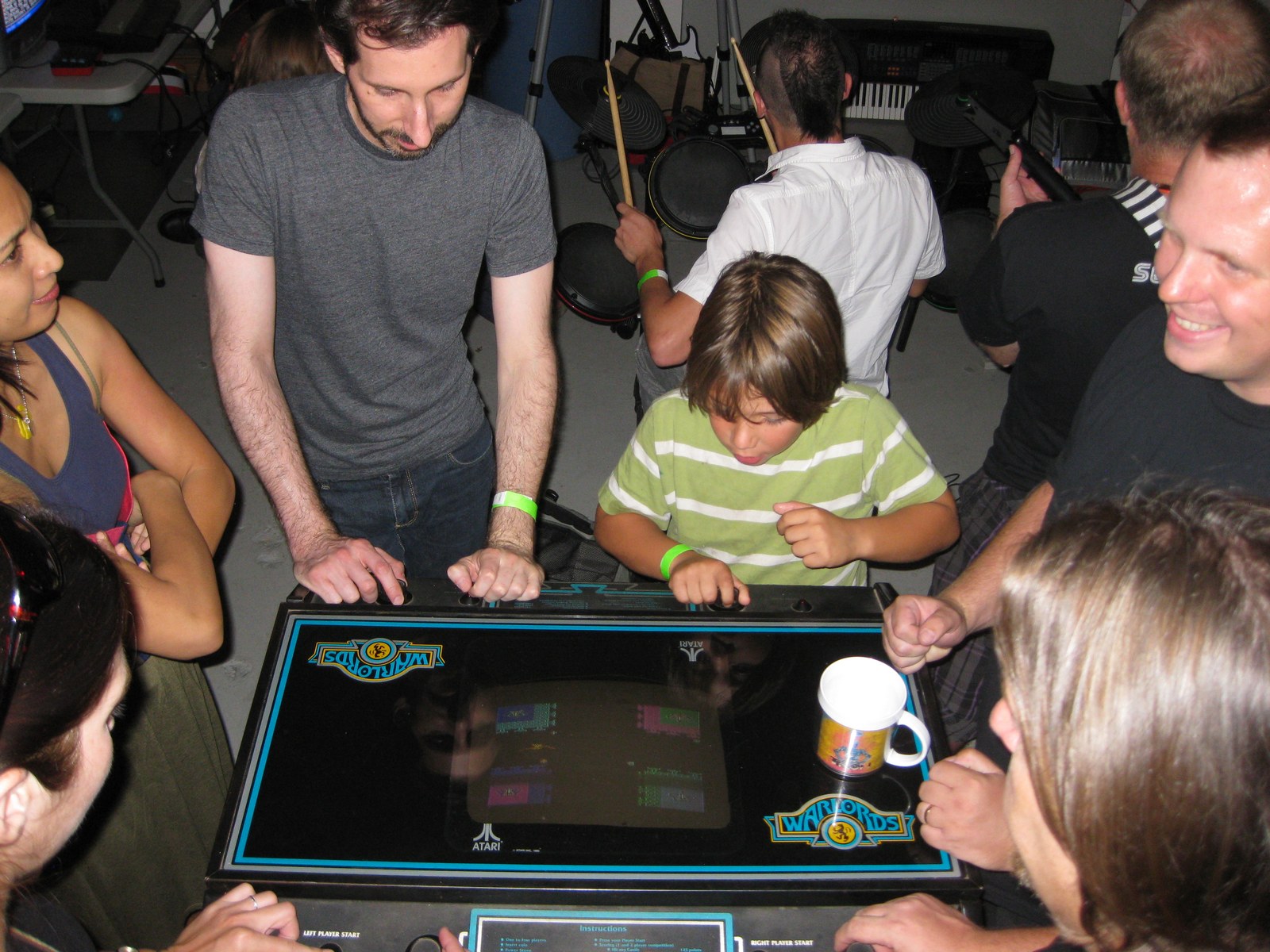
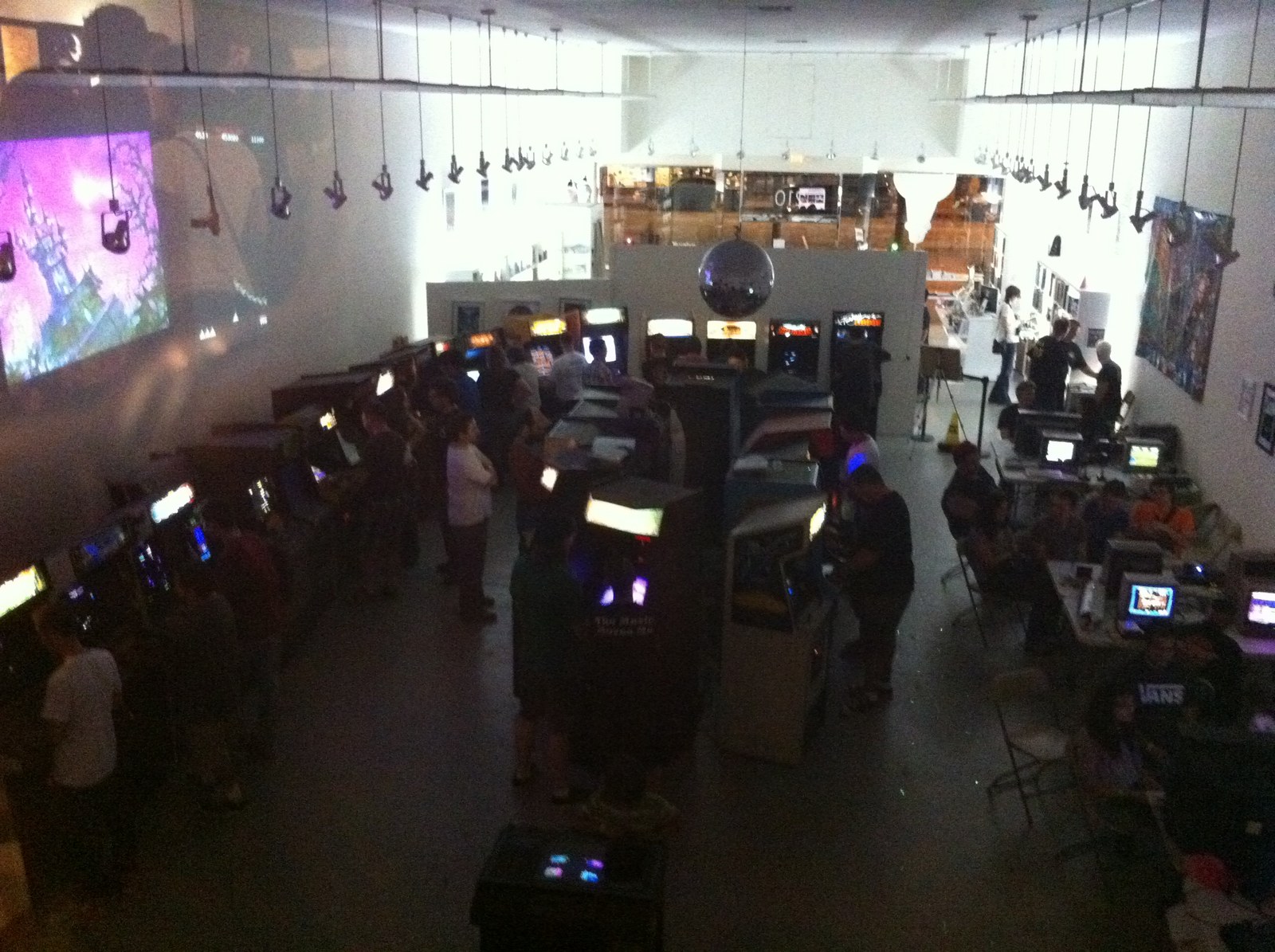
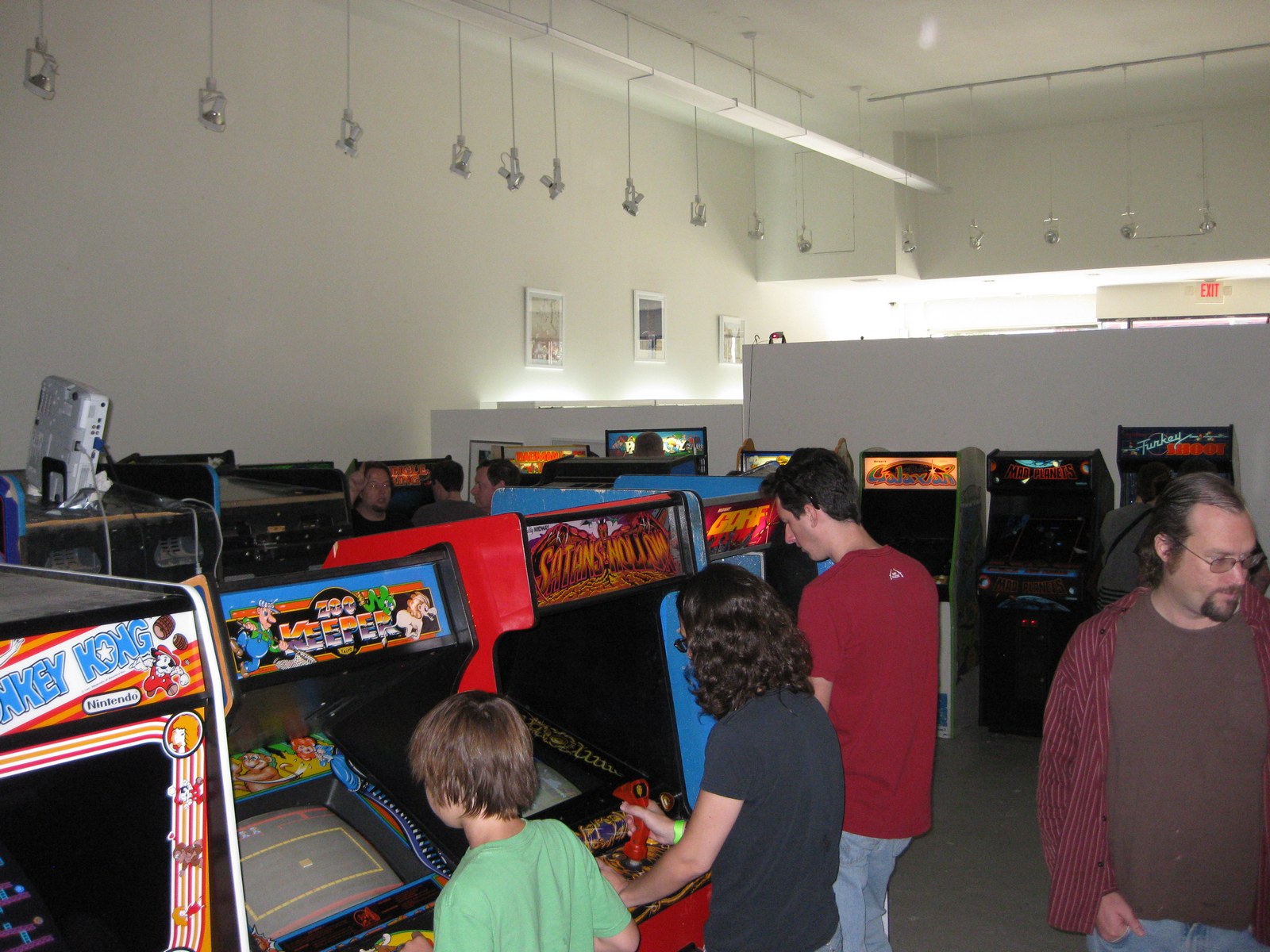
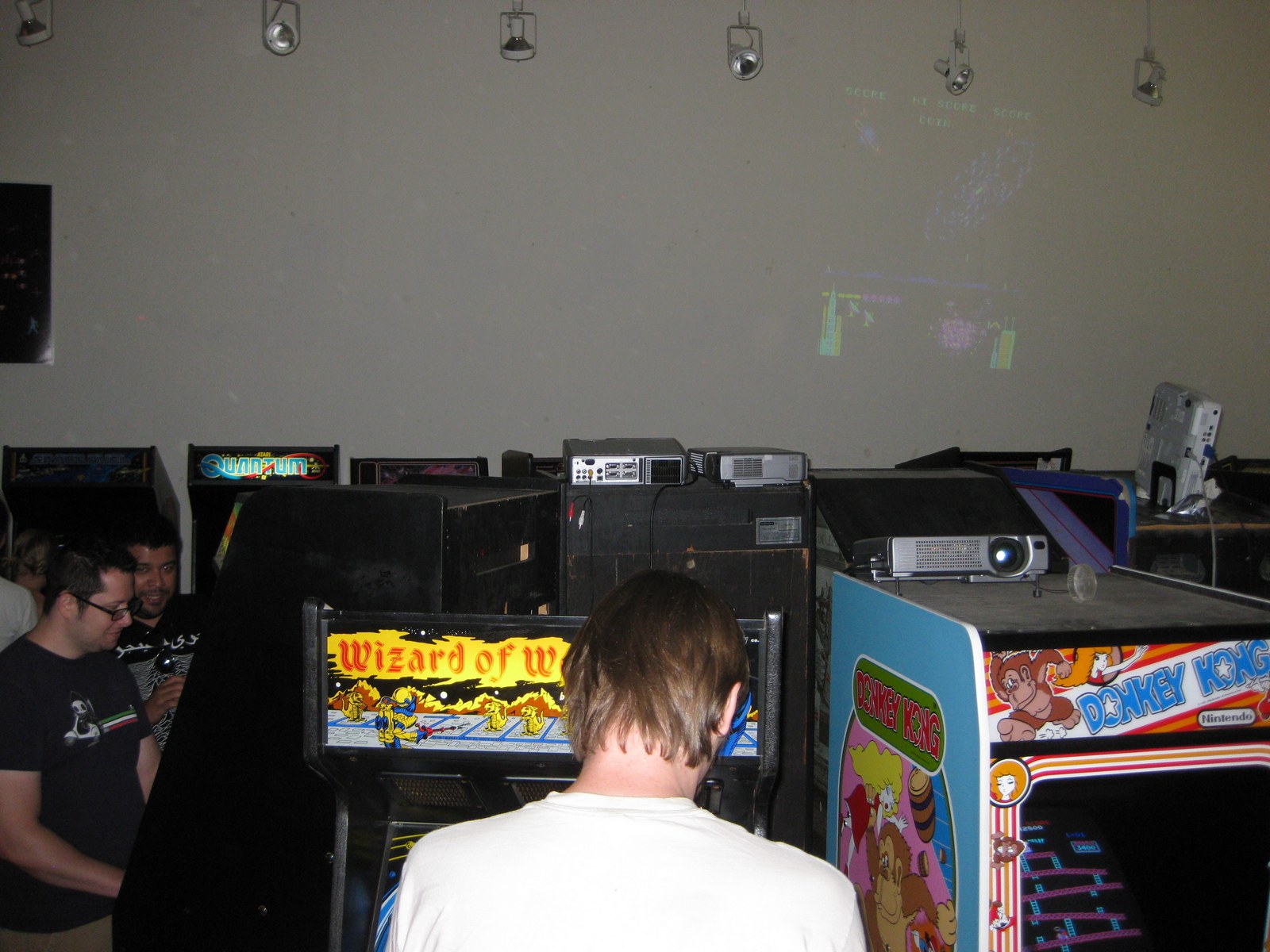
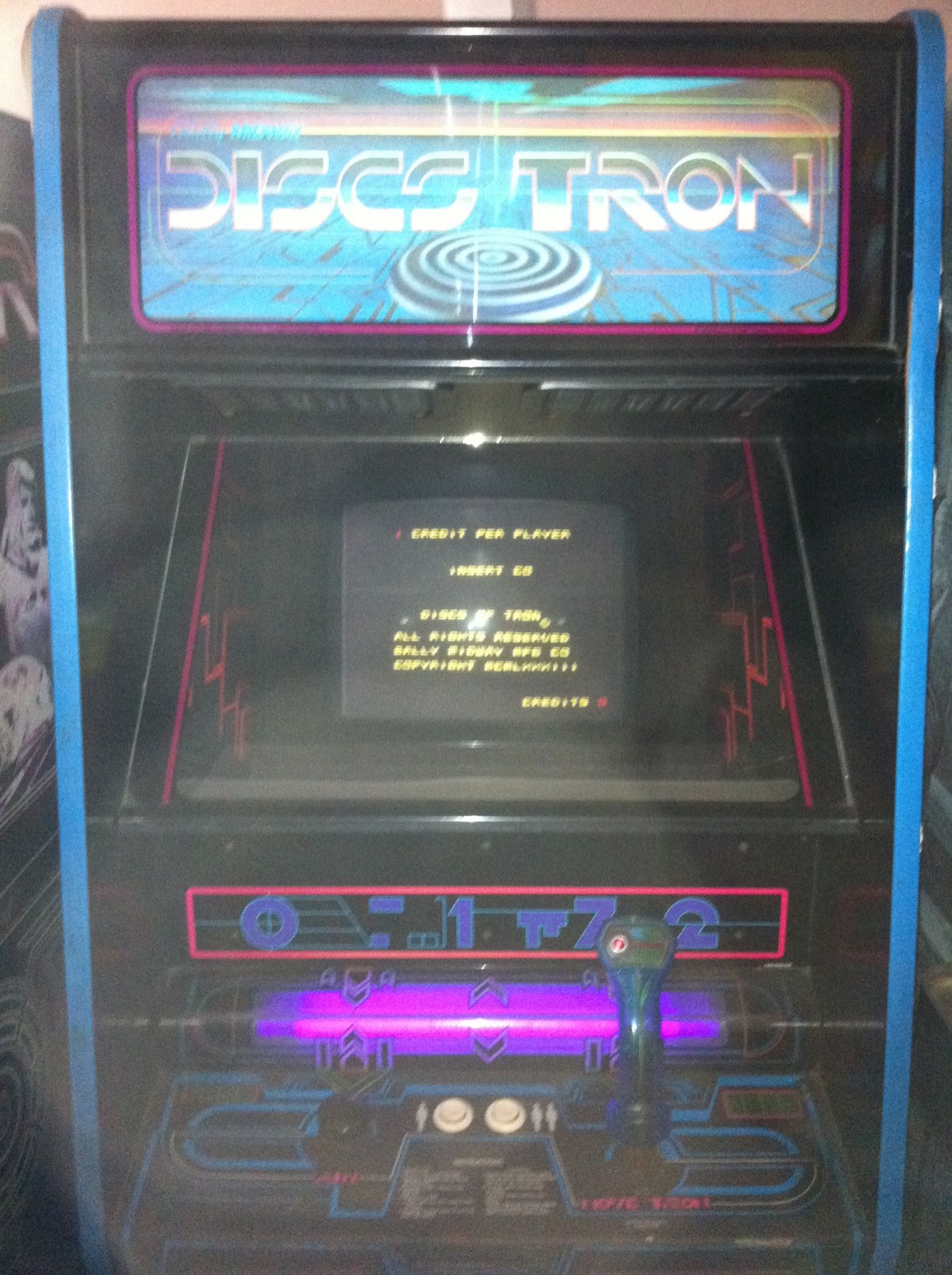
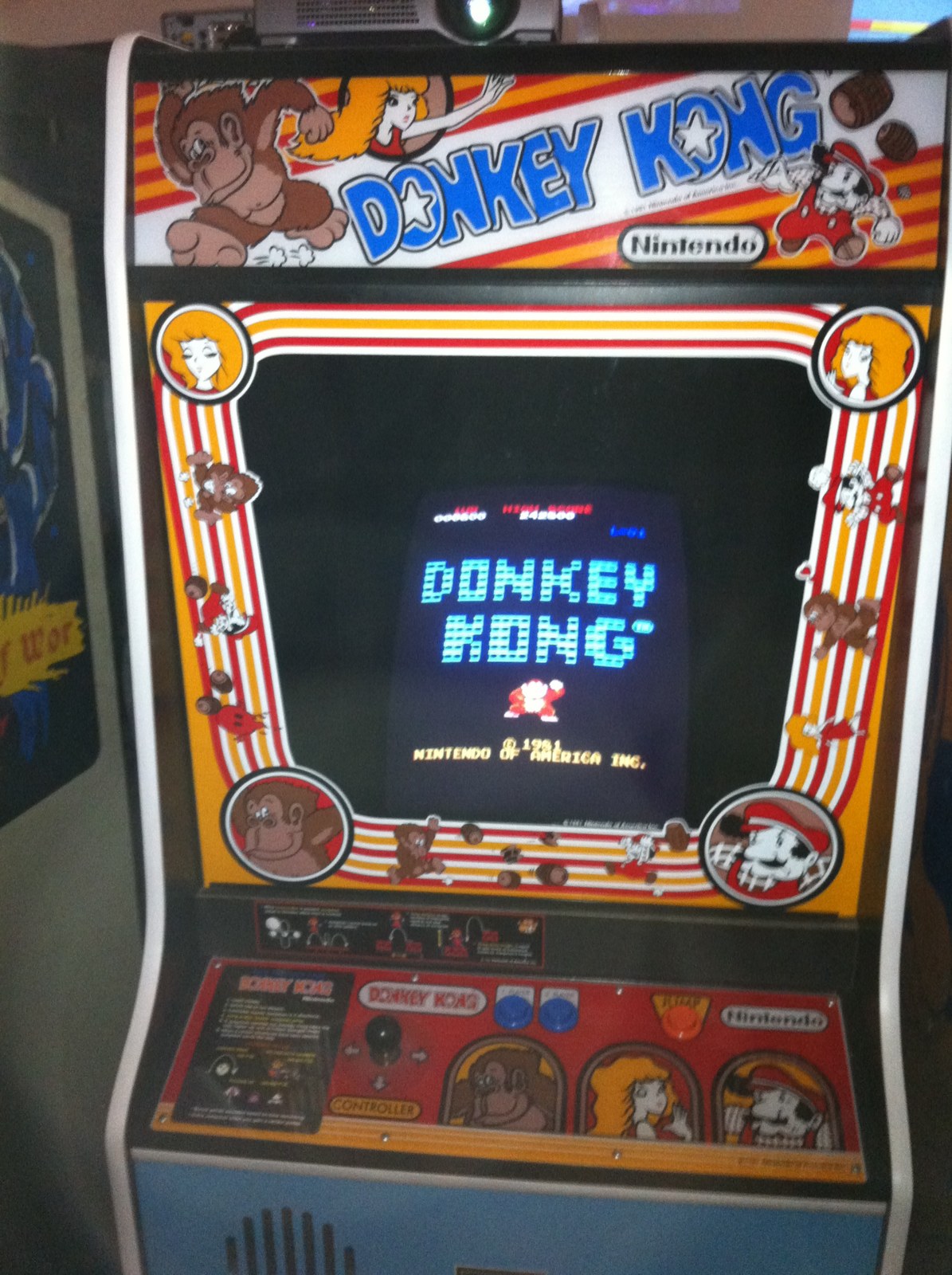
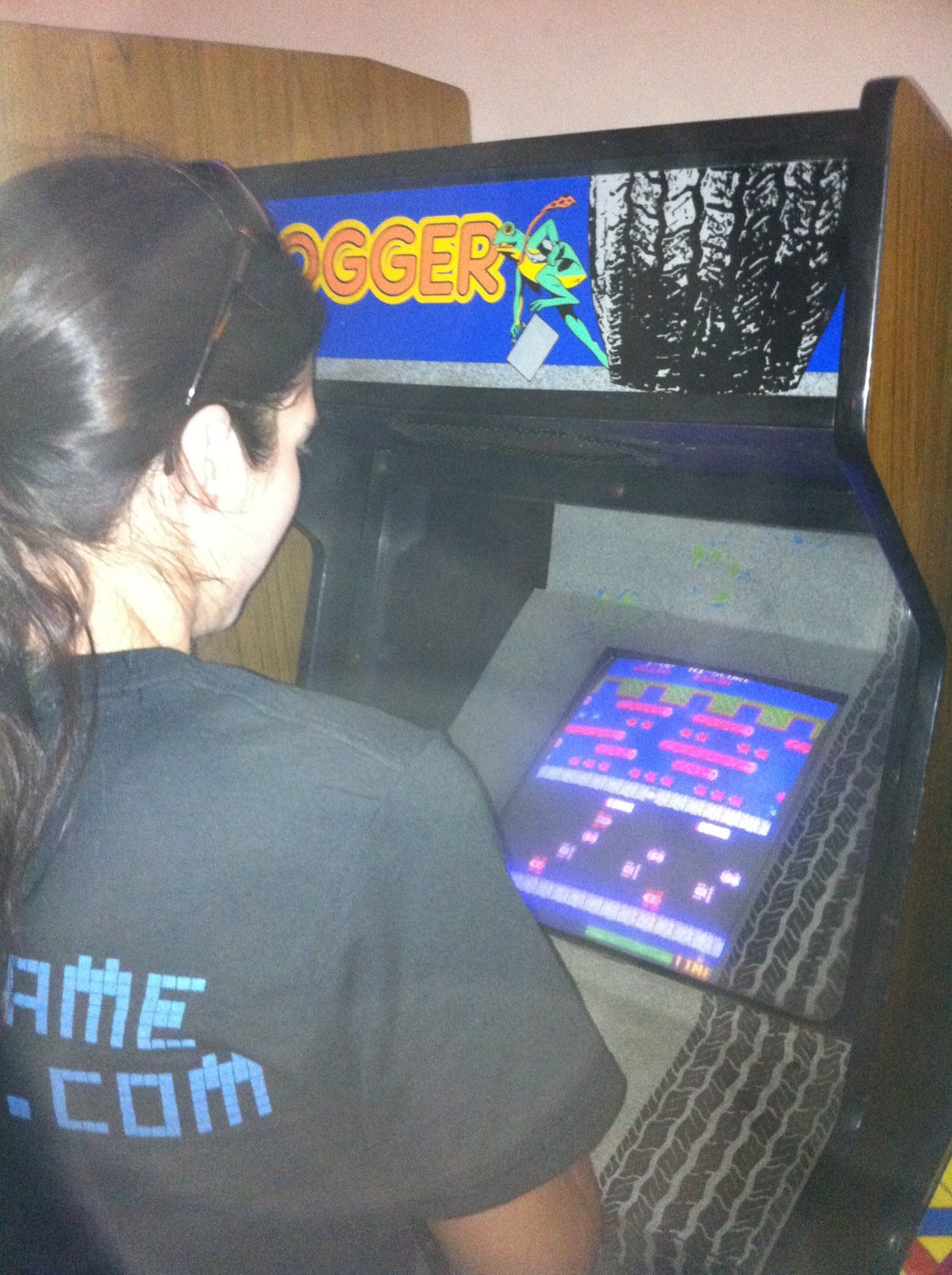
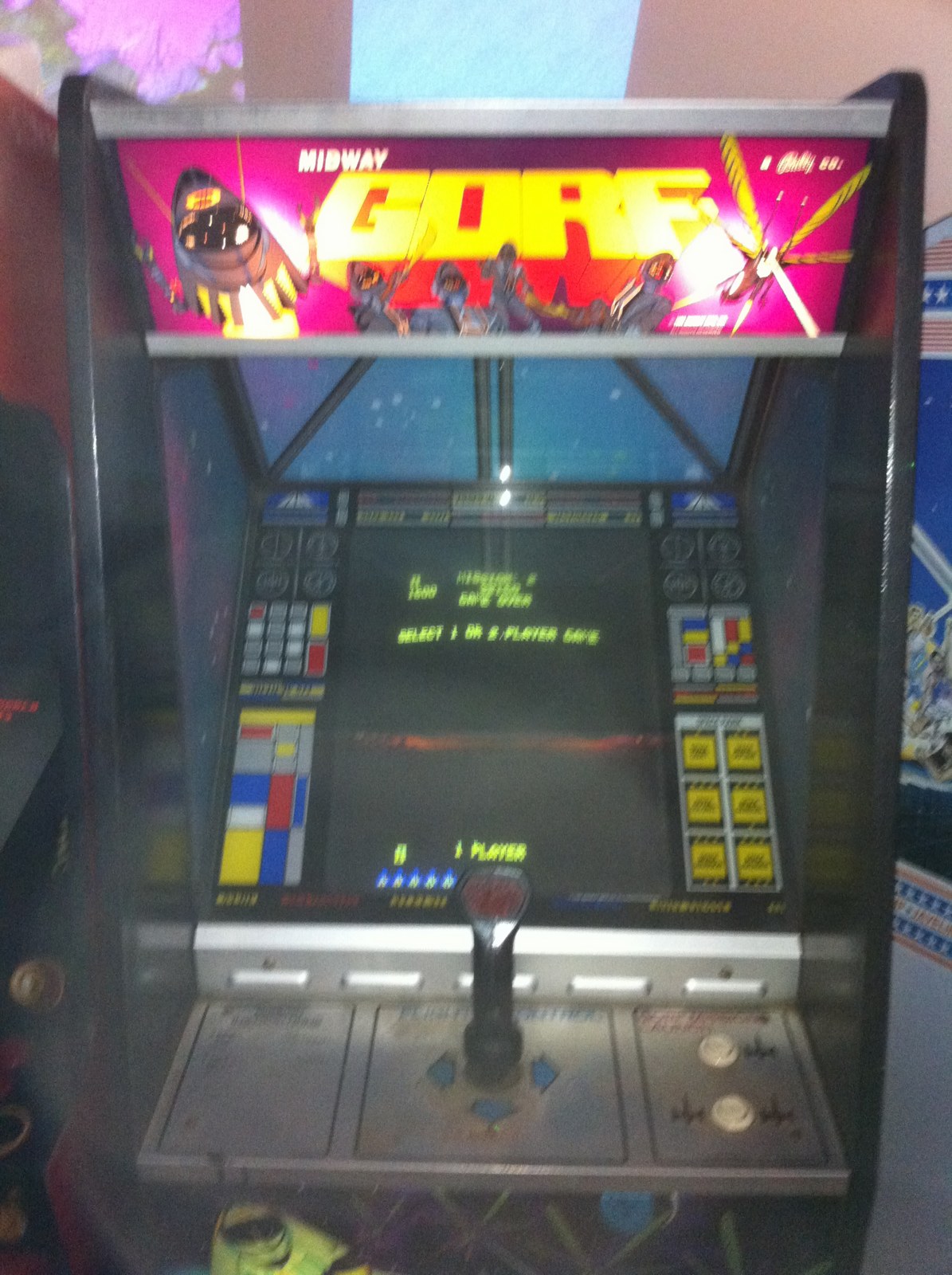
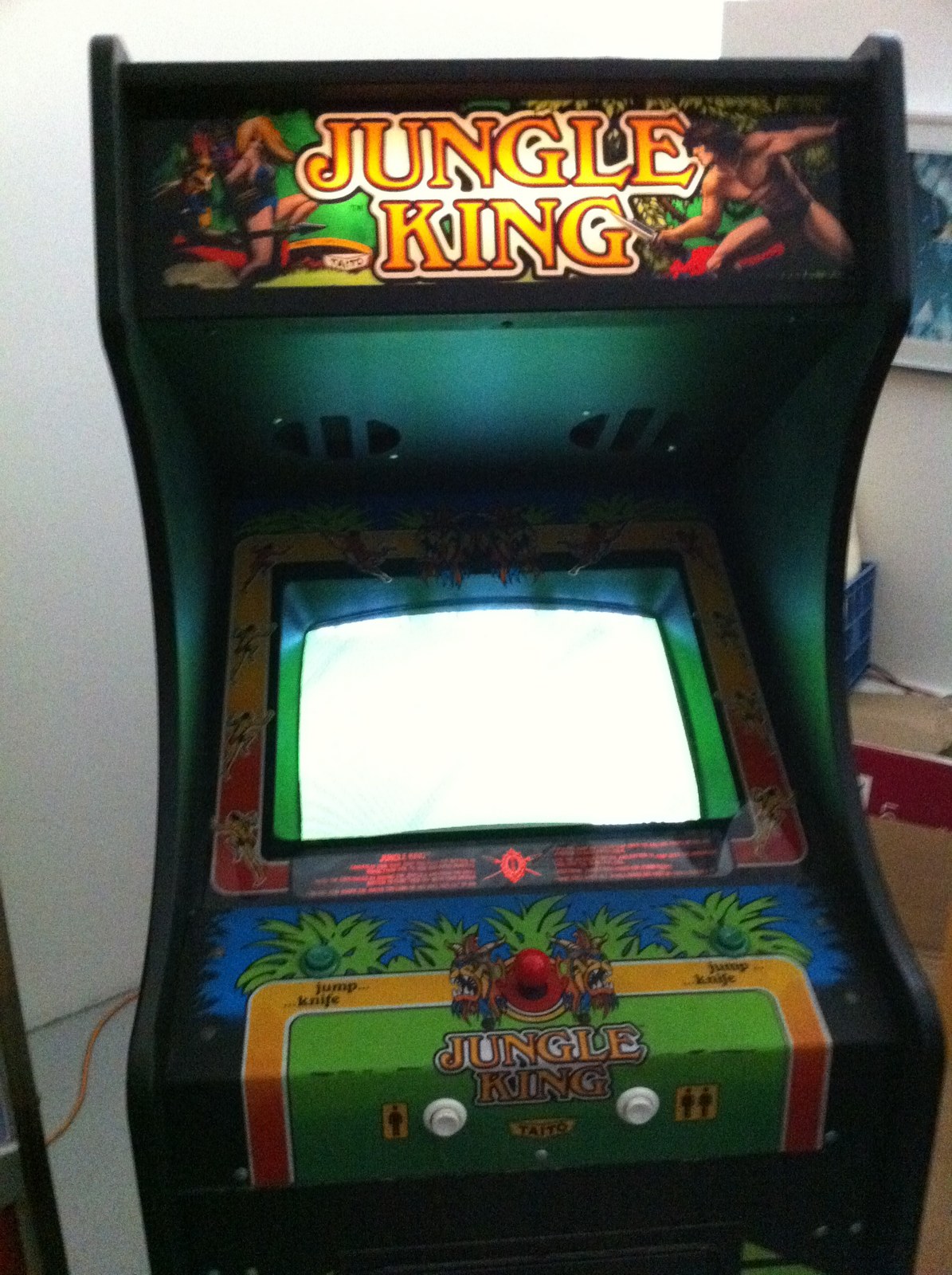
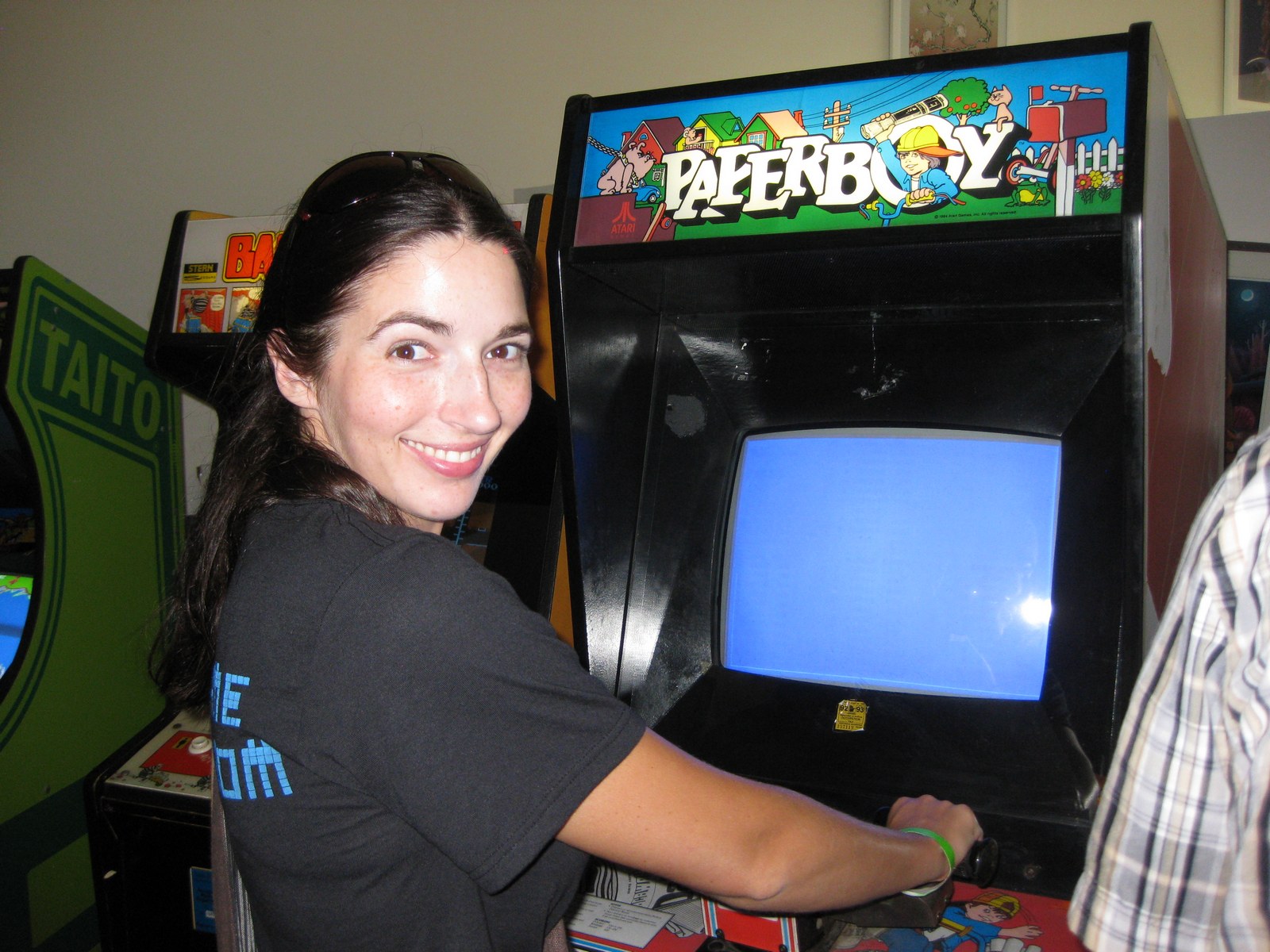
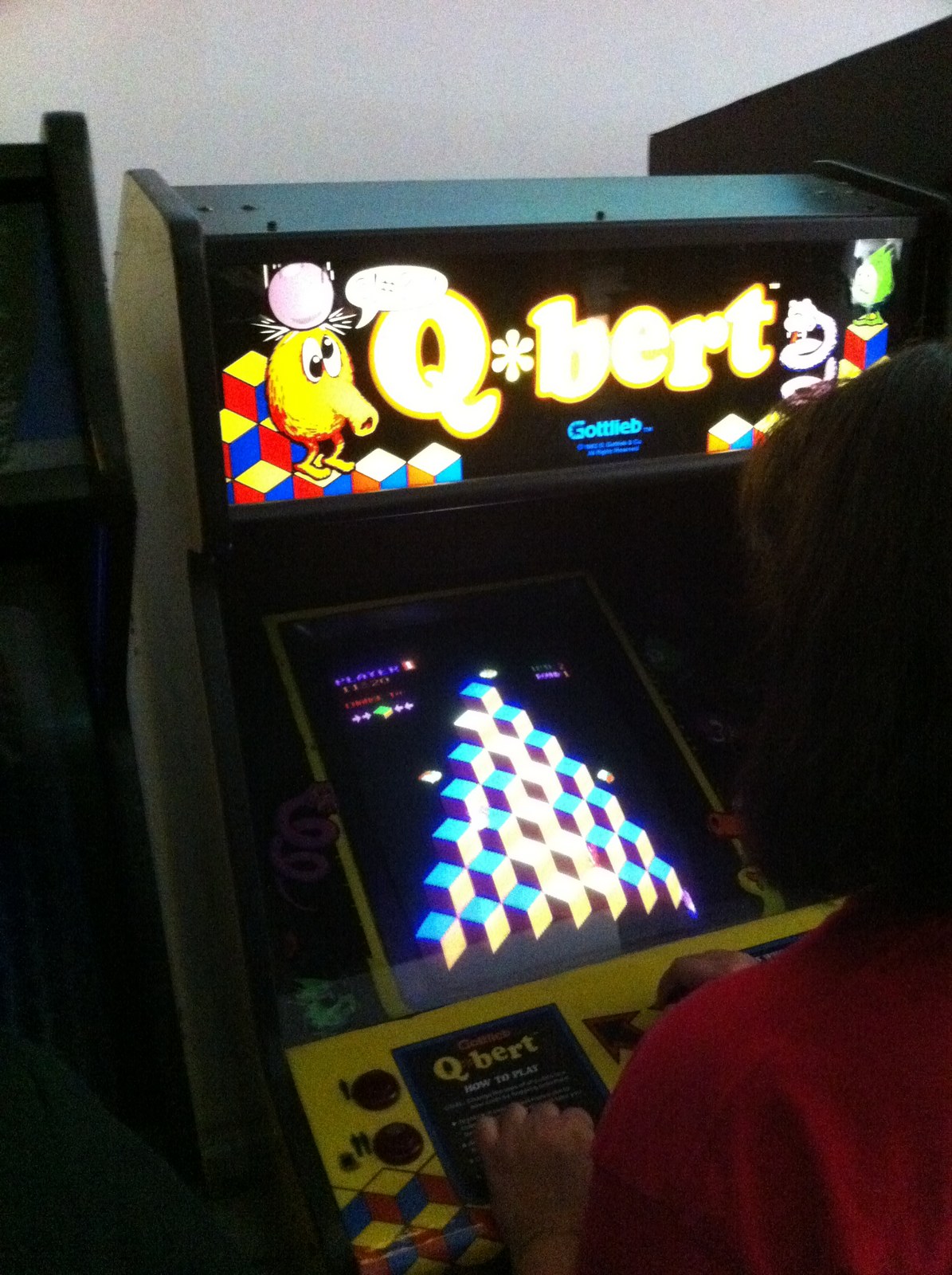
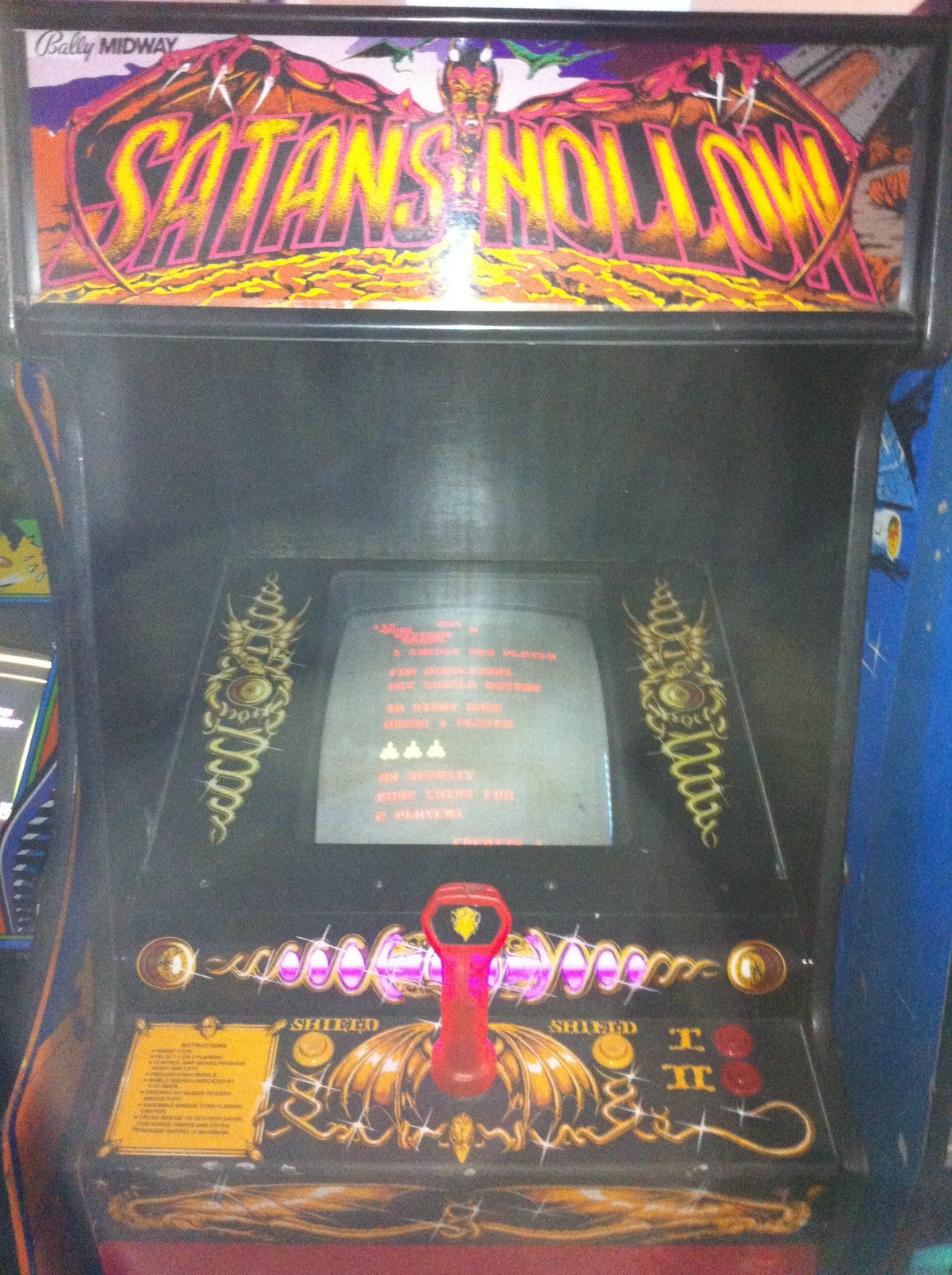
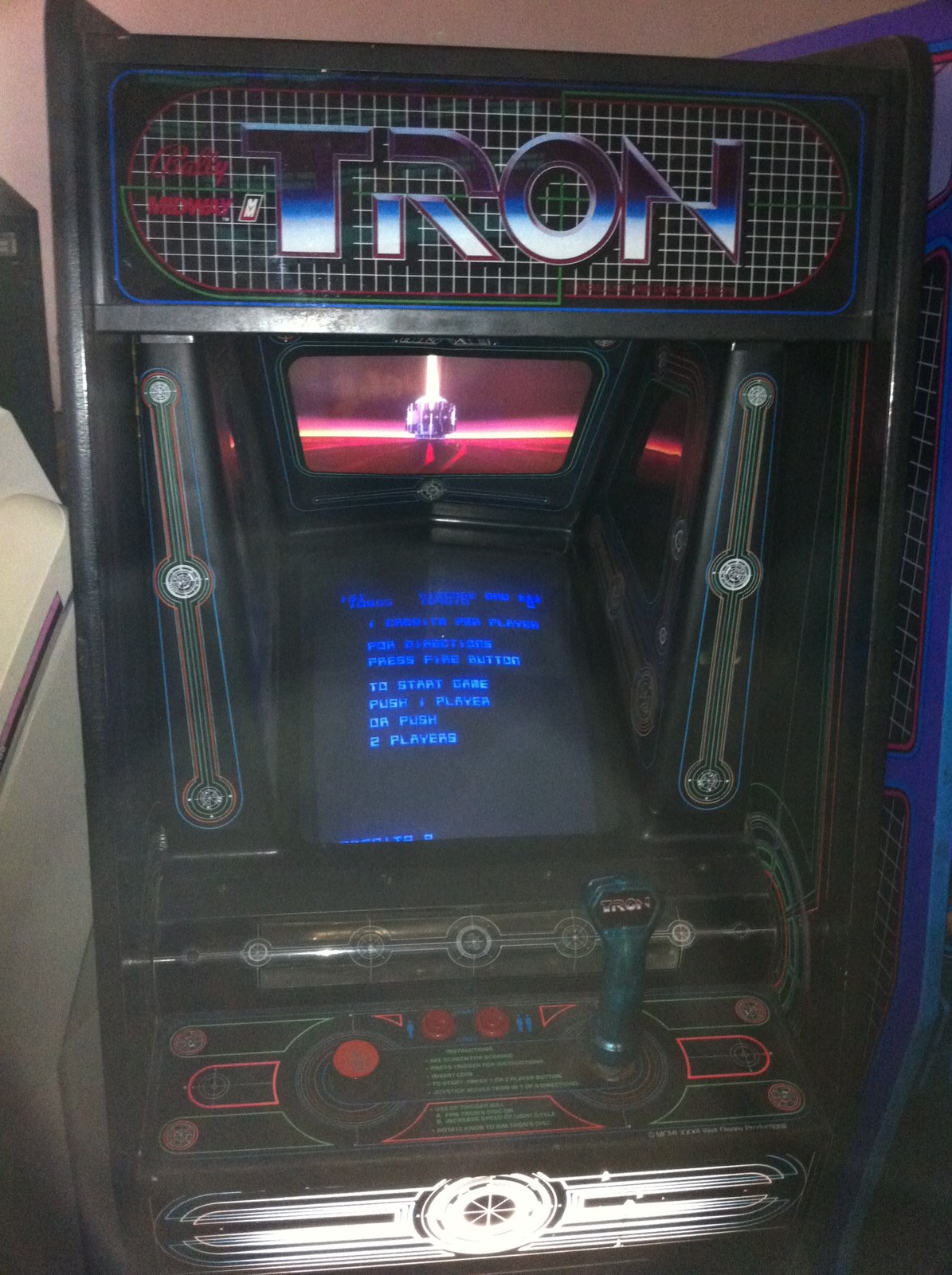
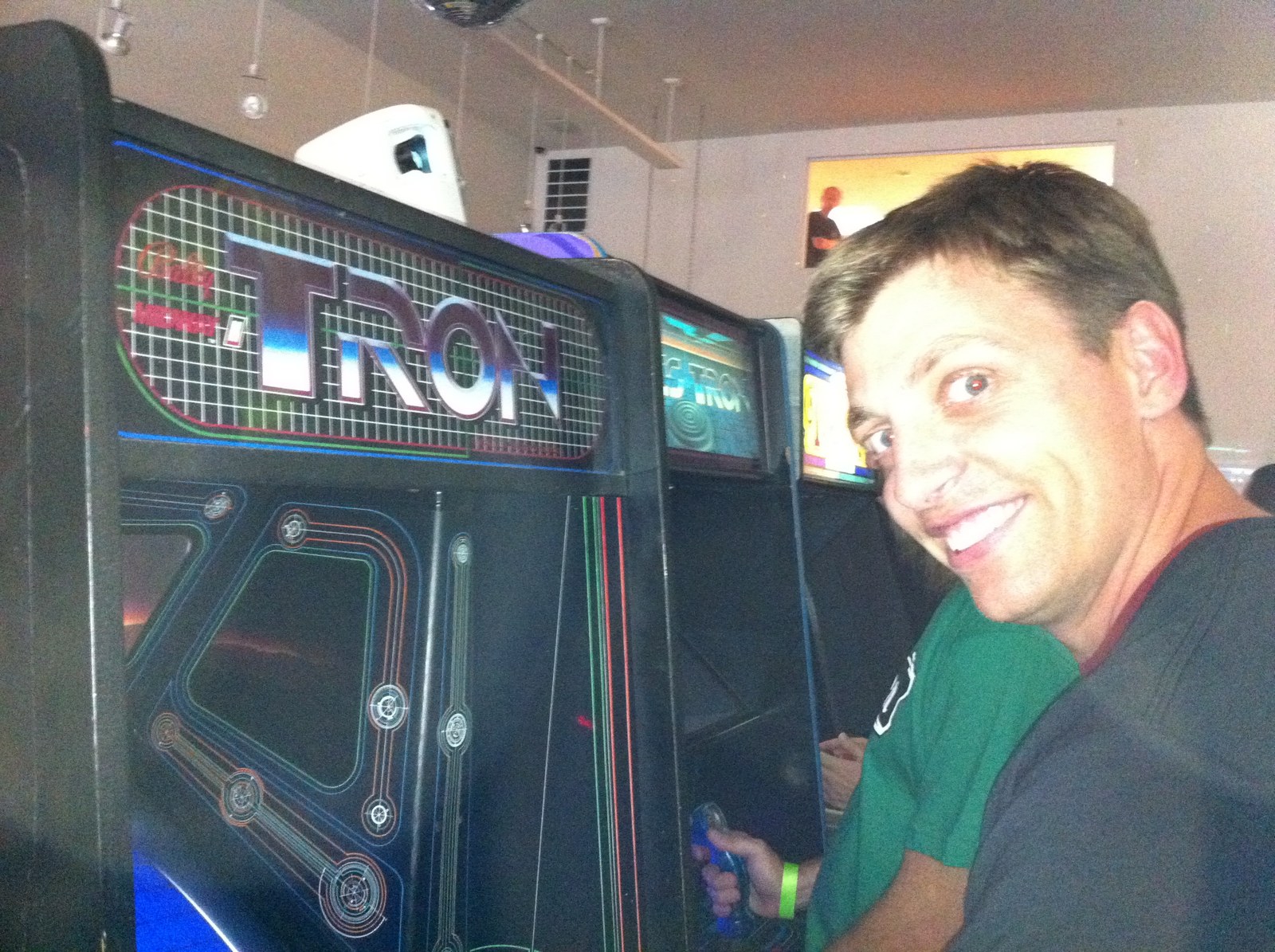
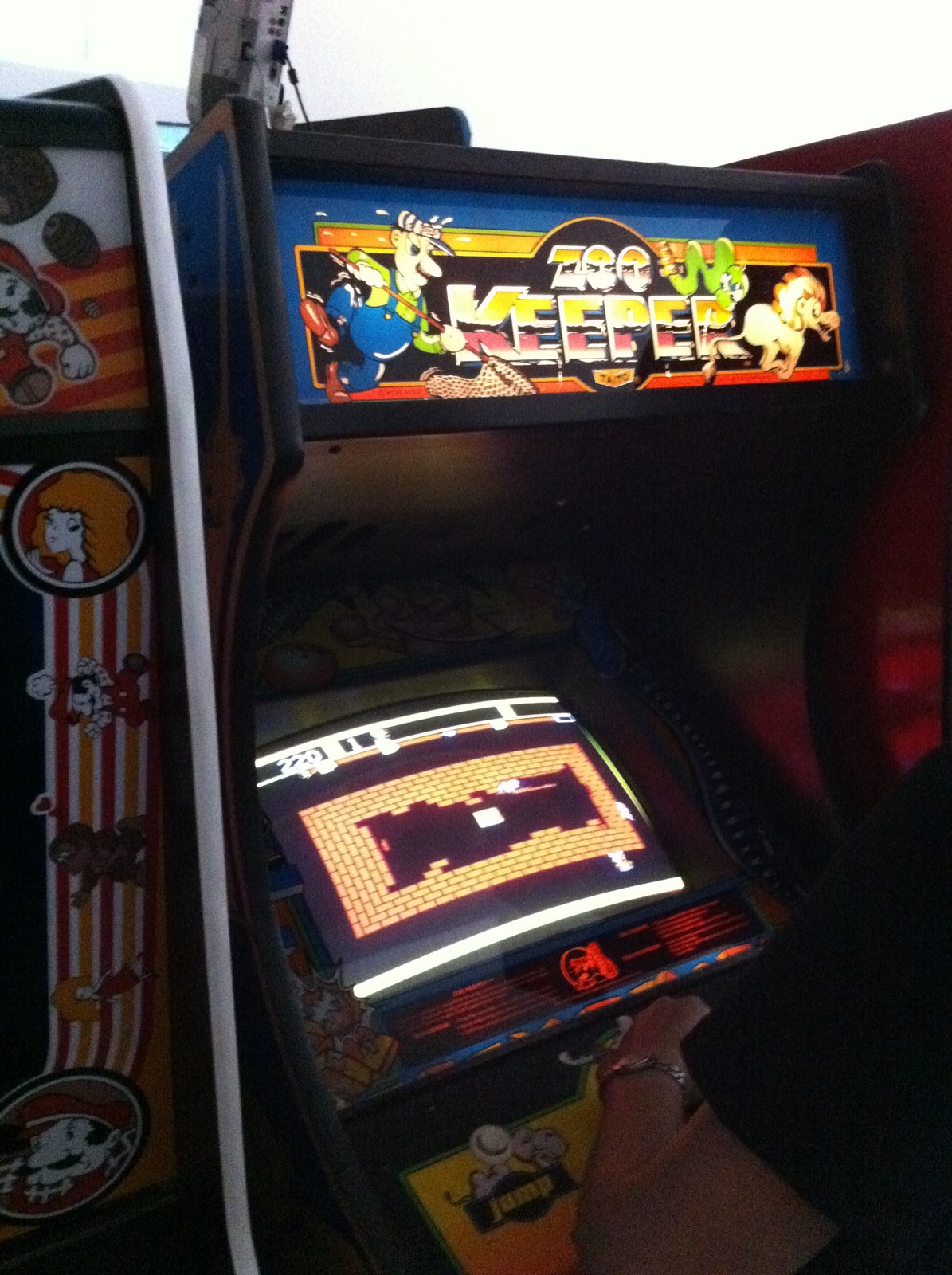
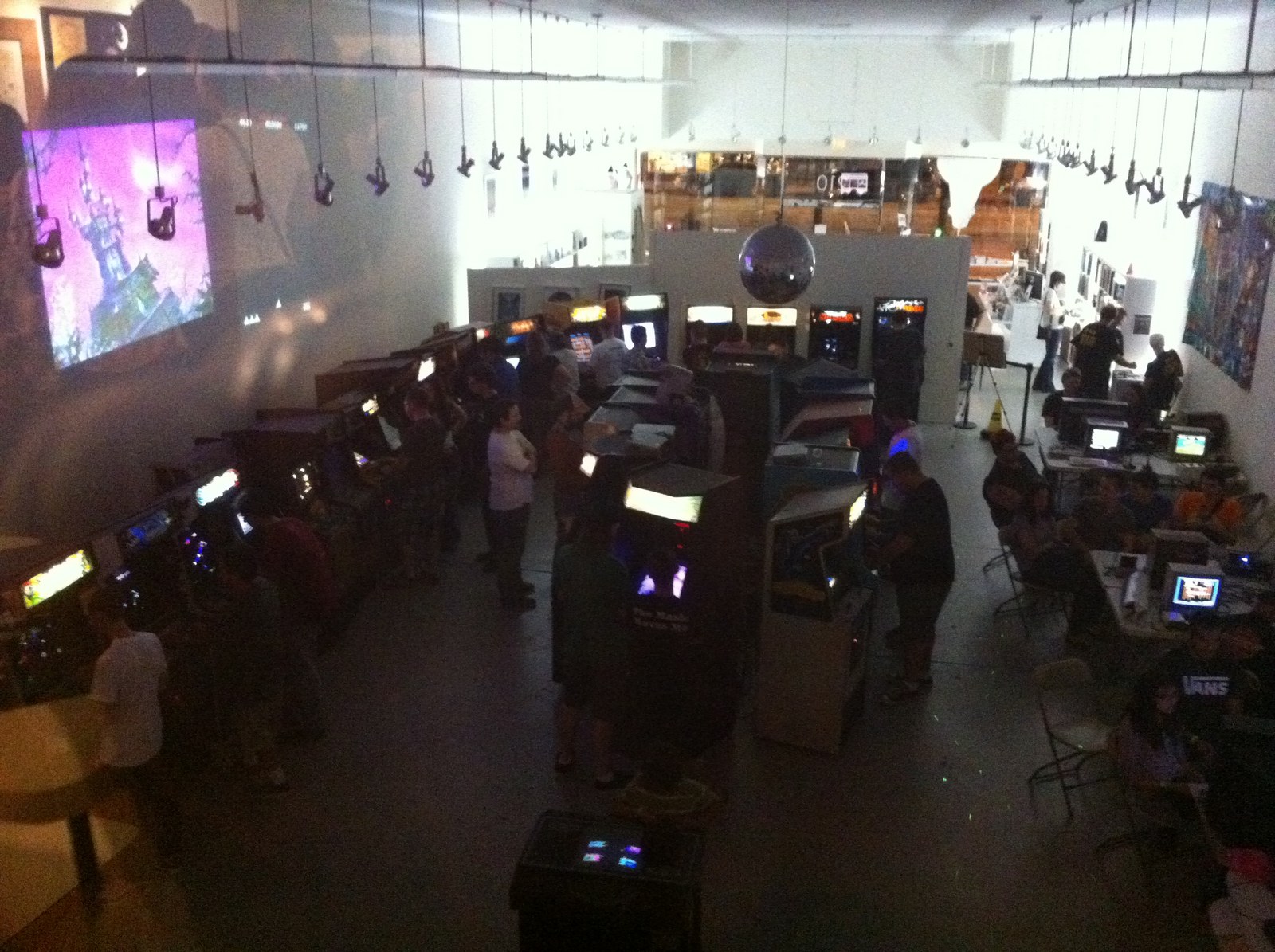
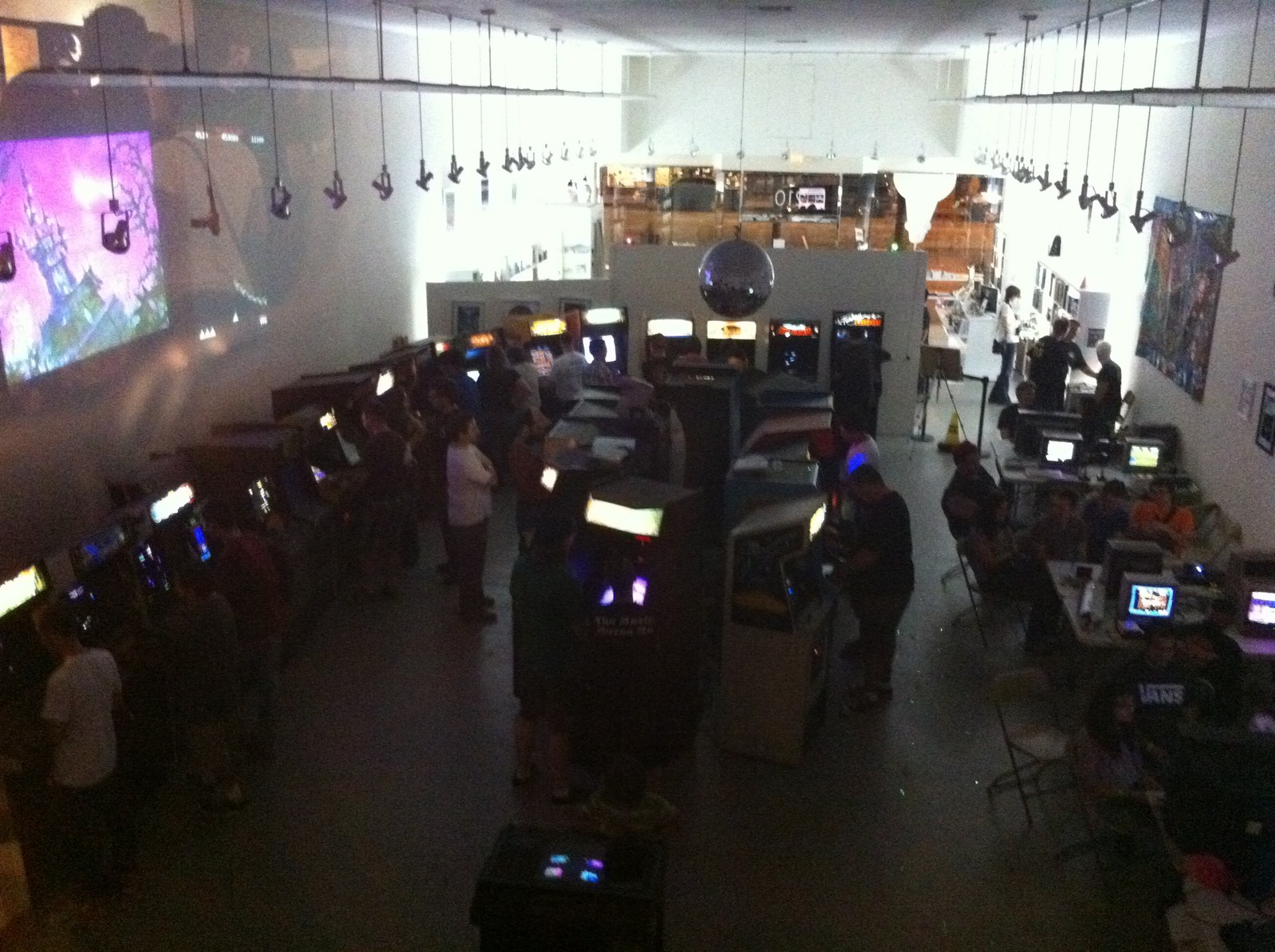
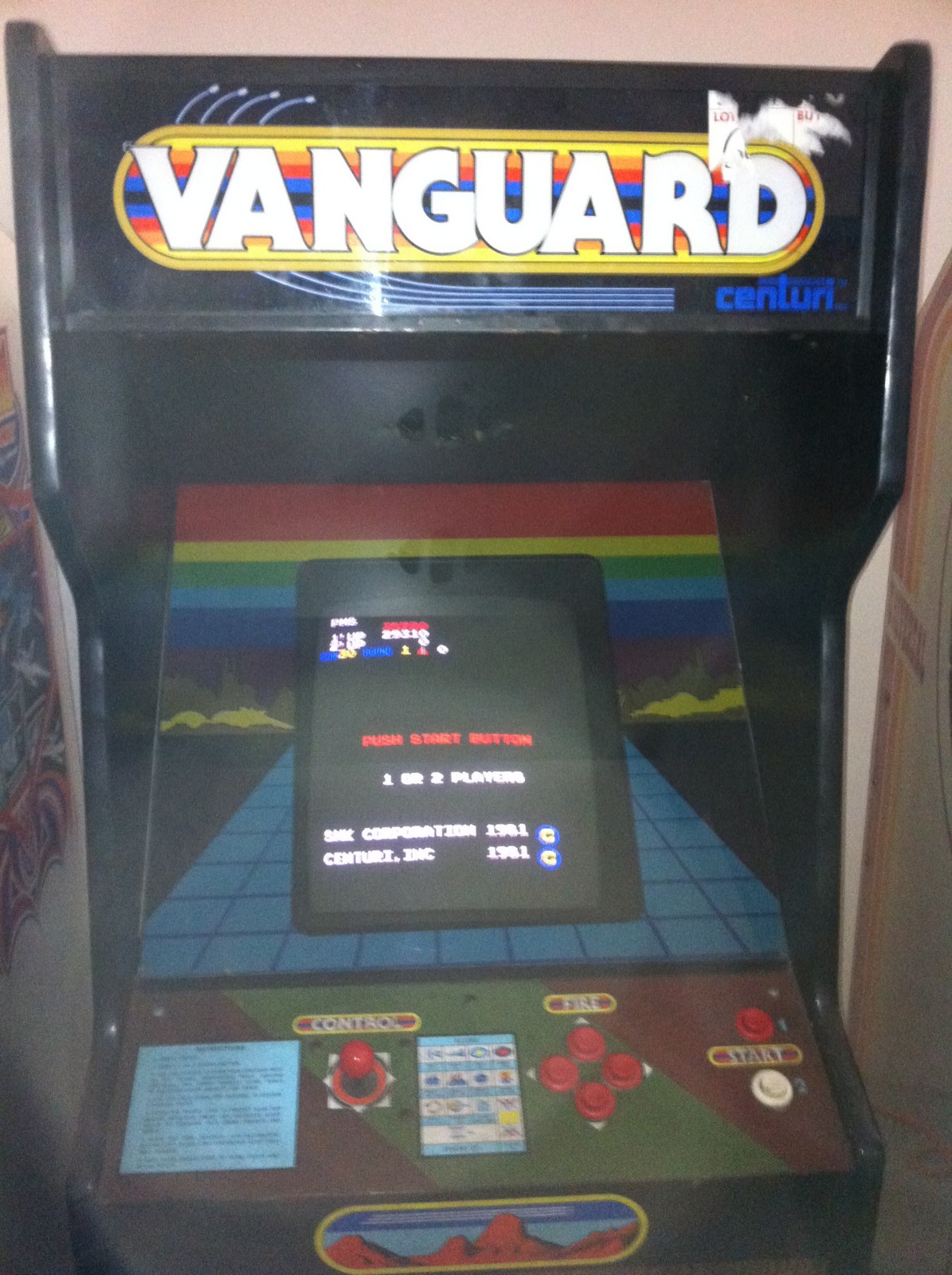
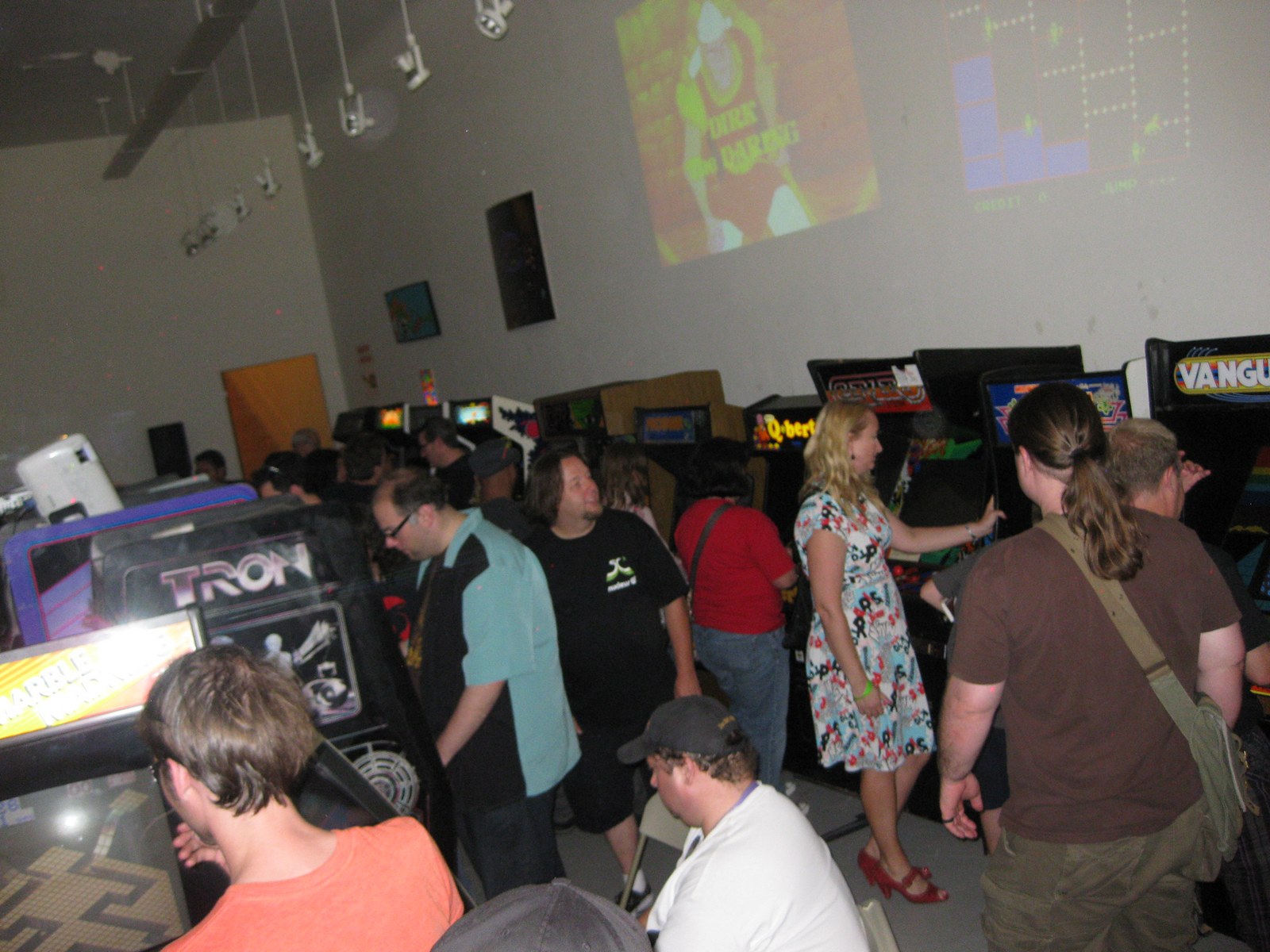
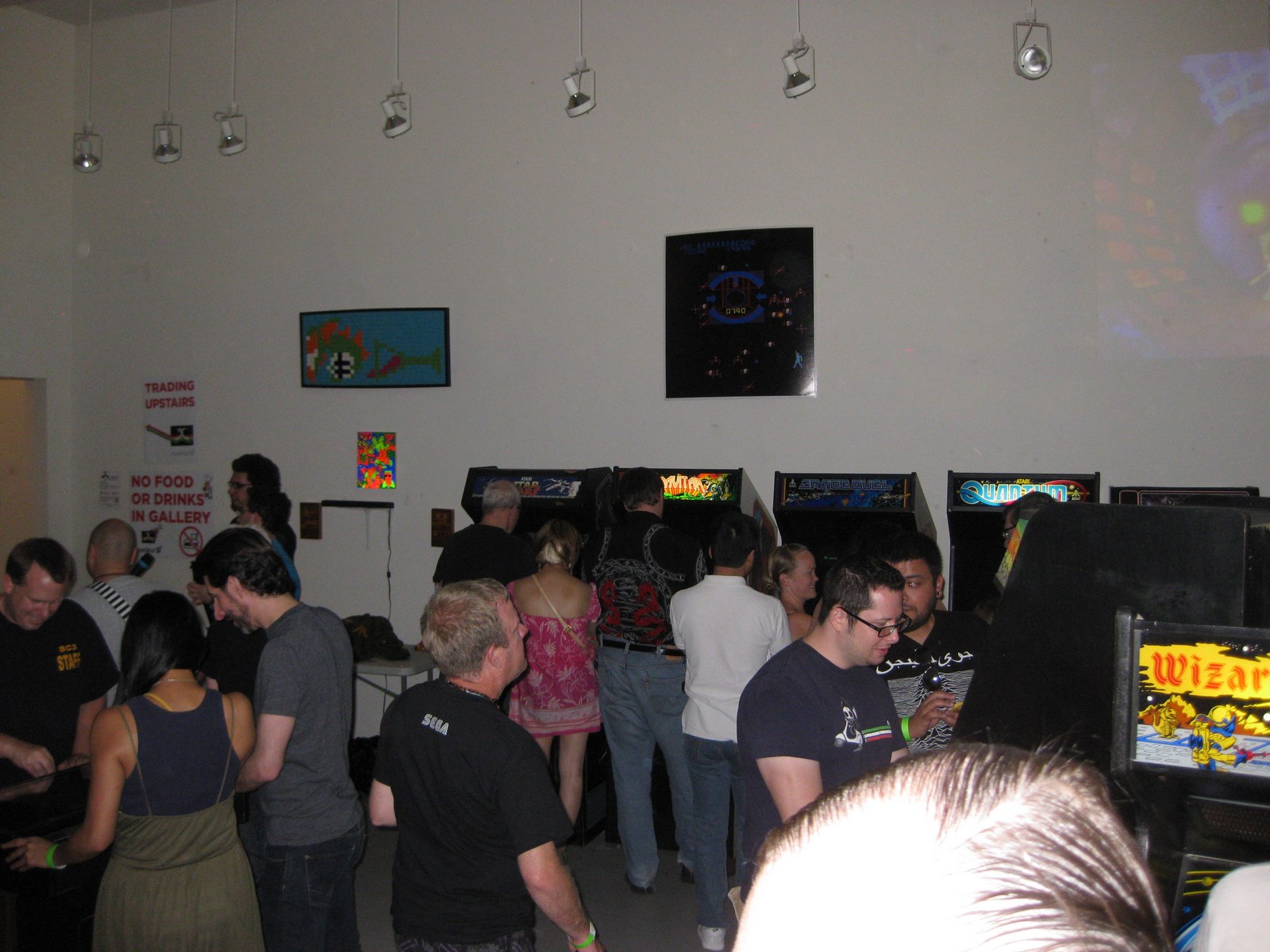
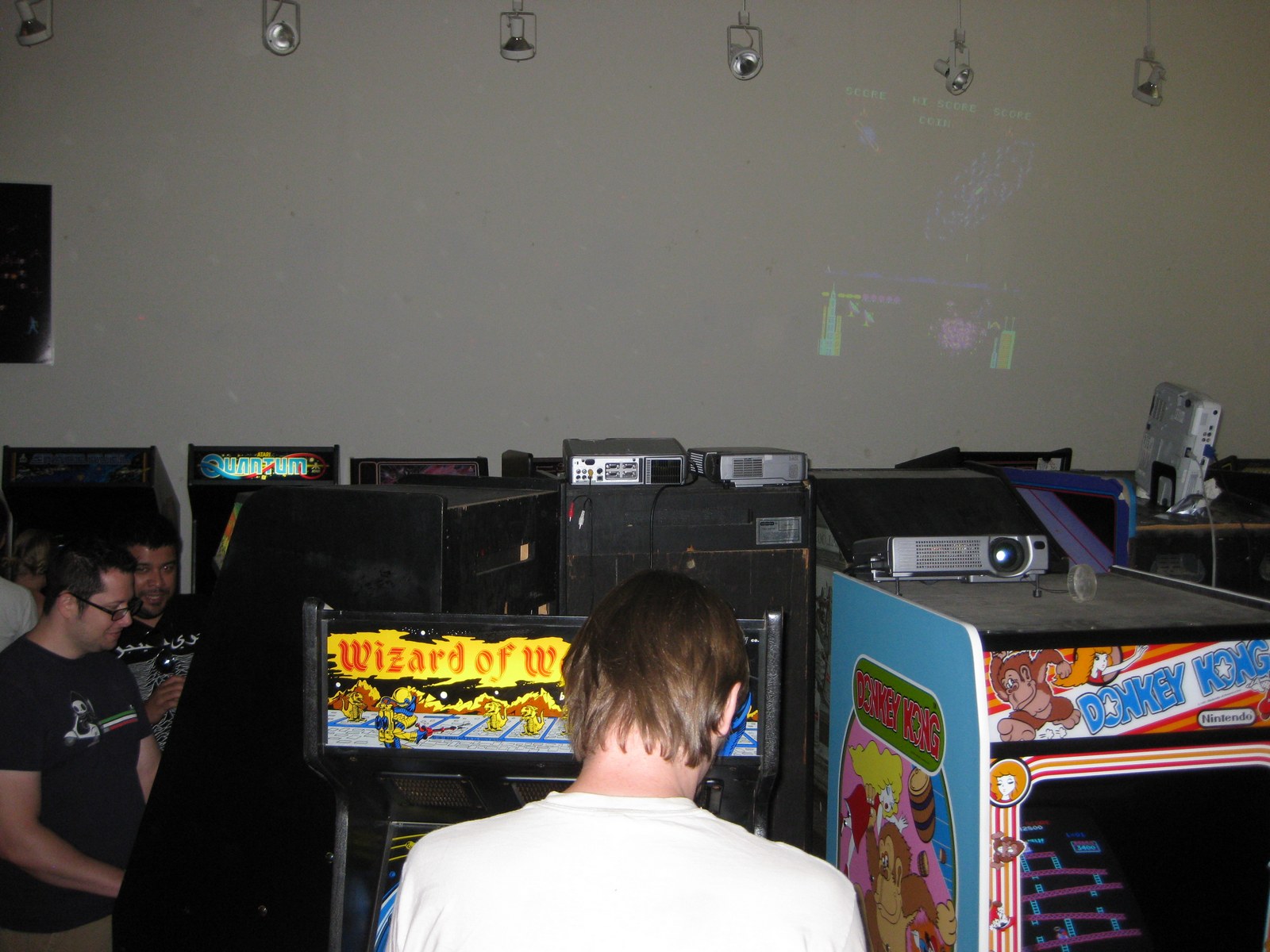
Either someone put a flux capacitor into my Honda Accord, or a group of collectors in Southern California just gathered for some serious retro gaming. My wife Amber and I just attend our first SC3 meeting. For those of you who are new to the Southern California Classic Collectors group like me, let me fill you in. A bunch of private collectors bring together a fantastic, and I mean freak’n fantastic, assortment of their retro arcade machines and home consoles. For $10 each, Amber and I had unlimited playtime on machines like Zoo Keeper, Cosmic Chasm, Jungle King, Paperboy, Tron, Satan’s Hollow, Gorf, Burger Time…and the list goes on!
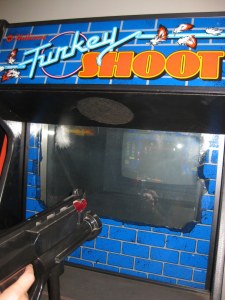
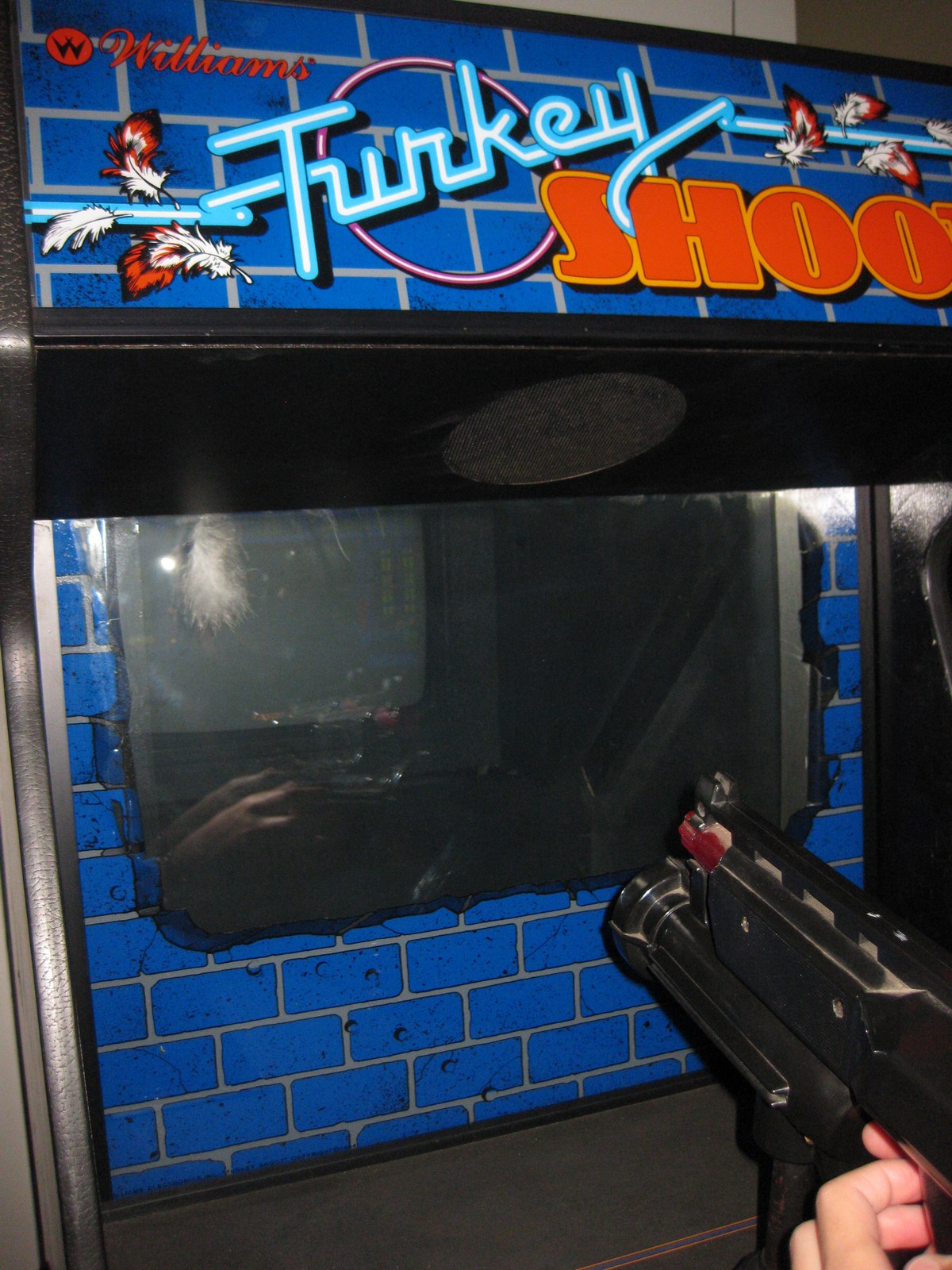
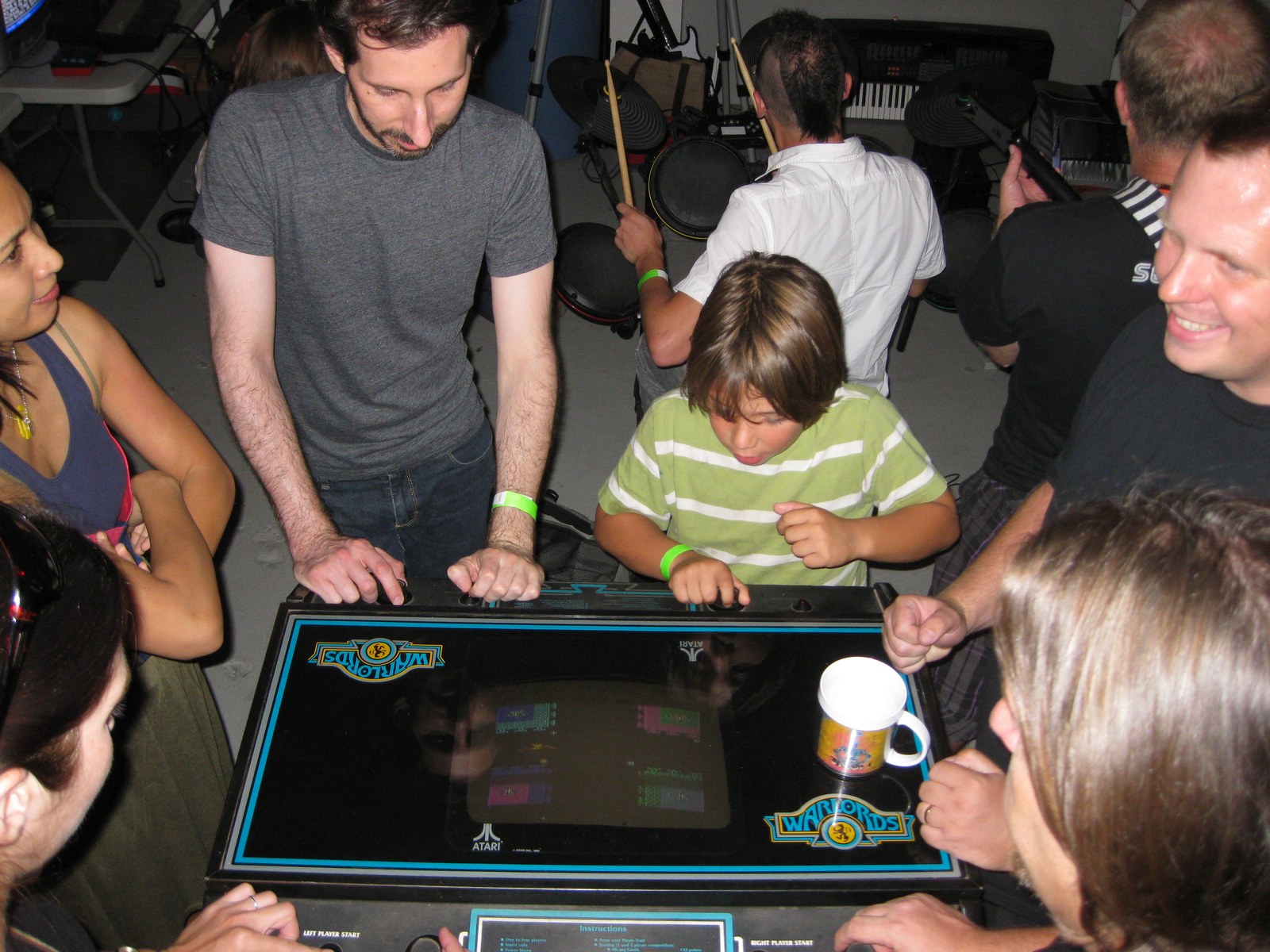
Our favorites were easily Warlords and Turkey Shoot! I’d love to meet the guy who invented Turkey Shoot. If you’re unfamiliar with it, here’s the deal. Turkeys are robbing banks, and you have to shoot them before they get sacks of money off the screen. Naturally, you get hand grenades and, yes, a “gobble” button. If that wasn’t great enough, after you die, a fan blows real feathers in front of the screen. Yup, awesome.
Warlords was pretty great too. I’m a big fan of Rampart and would simply describe Warlords and a fast-paced mix of Rampart and 4-player Pong. This seemed to be one of the most popular and socially interactive machines on the floor! Great machine!
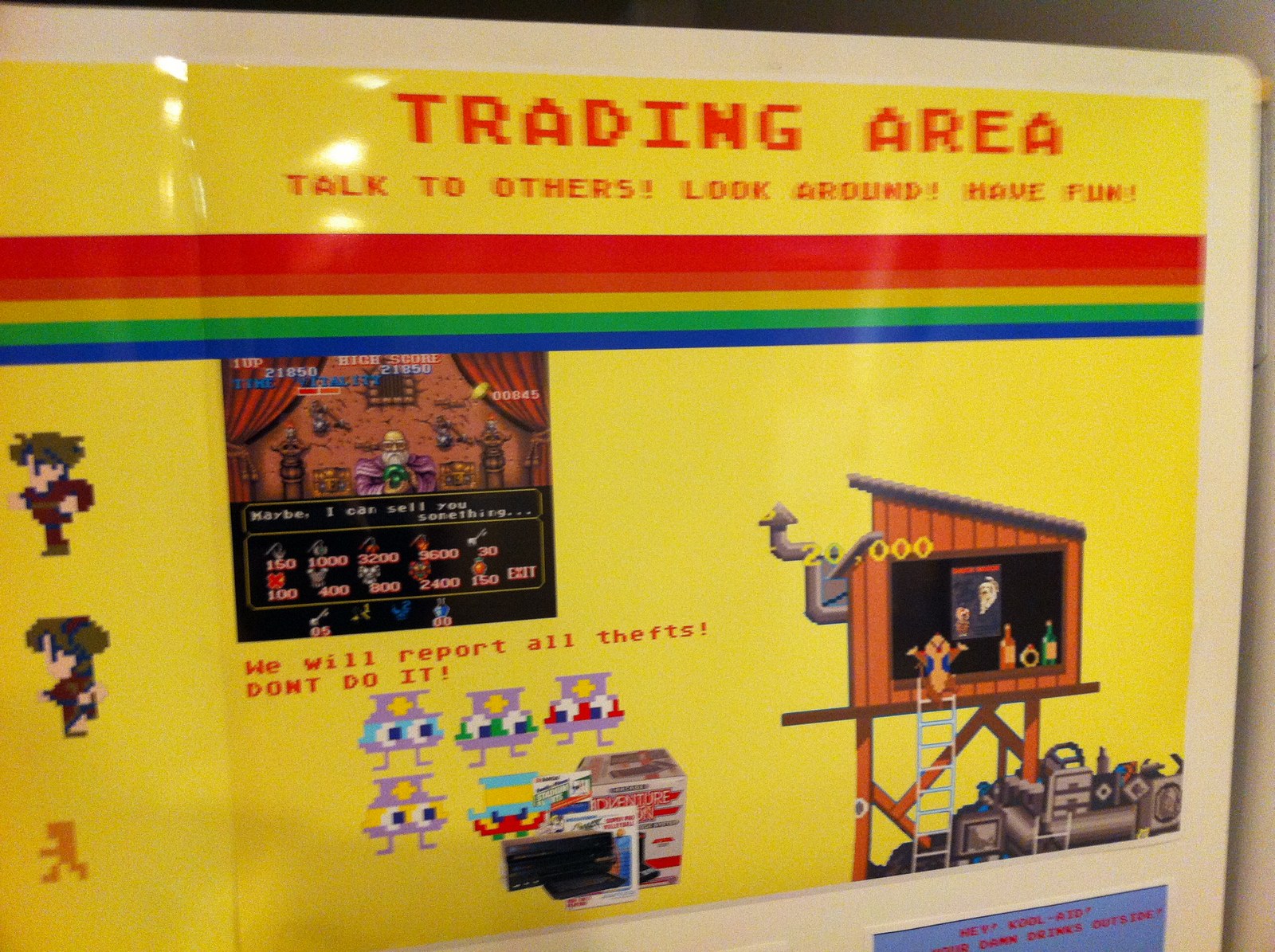
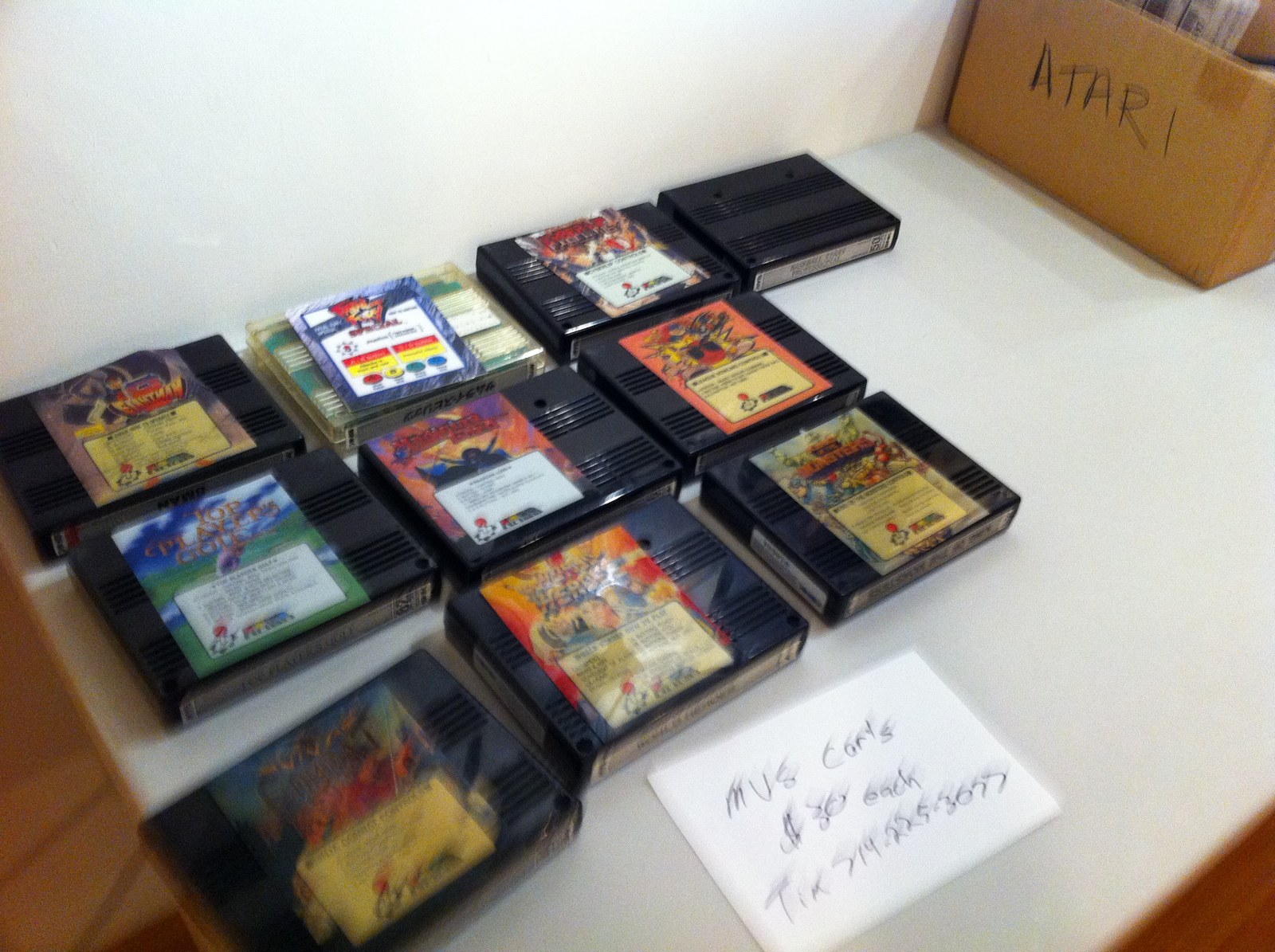
We had a little sale table at the event. It was great to sell some video game repair tools and to chat with other collectors. However, I was happy to know that people at SC3 function on an honor system with buying and trading. That meant we didn’t have to camp out at our table and spent a majority of our time out on the arcade floor!
Mike Kennedy of GameGavel.com did a pretty great raffel in which every ticket holder got a prize.? Well done Mike!
SC3 was a hit, and we’re already looking forward to the next one!
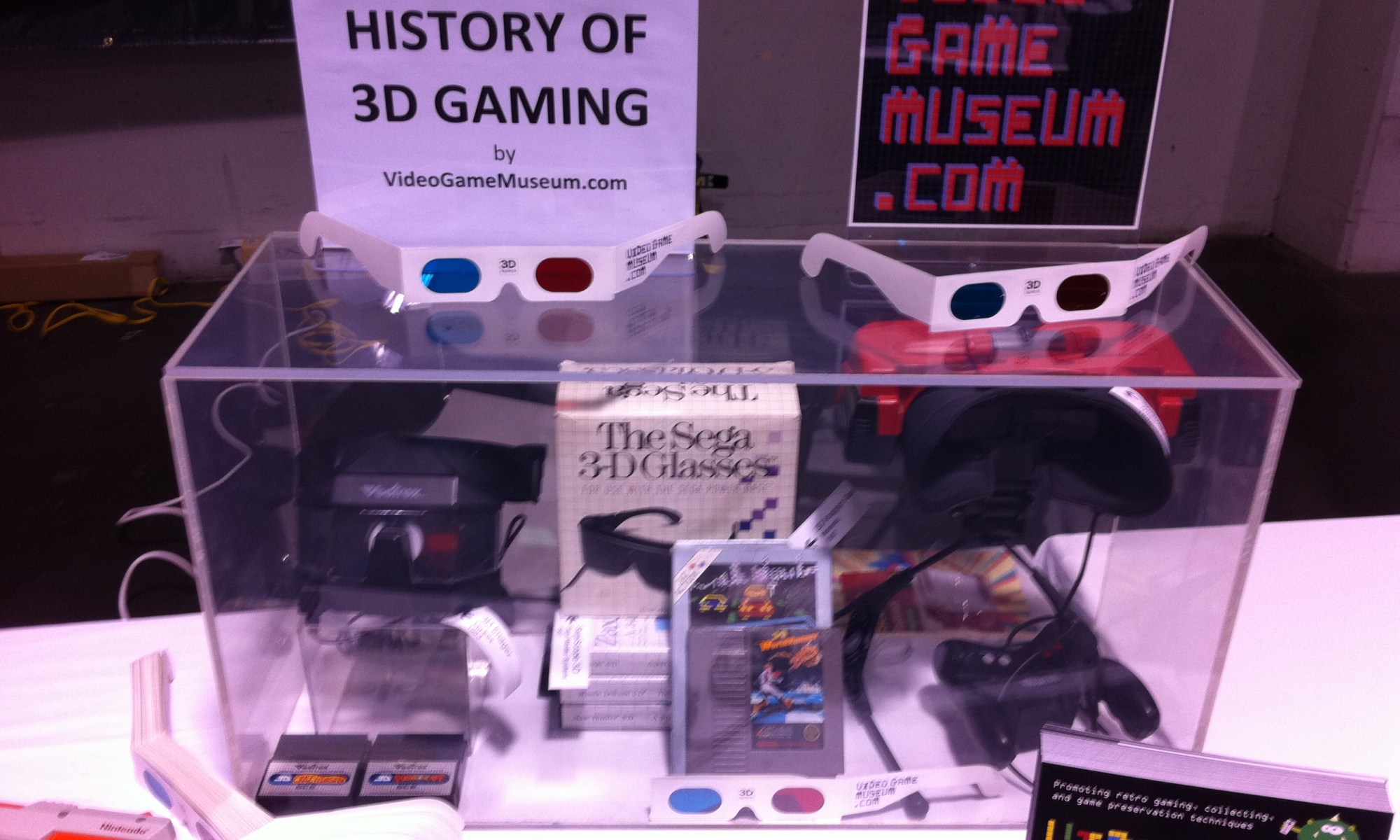
Curious about the history of 3D gaming? Here’s a fantastic interview on 3D gaming history by Jason Reed at Wizard World’s Anaheim Comic Con 2011! This interview highlights the following 3-D video game milestones as well as Nintendo’s early roots in motion gaming:
1983 Vectrex 3D Imager
1987 Nintendo Entertainment System (NES), Square Enix’s 3D Anaglyph Glasses for the games 3-D World Runner & Rad Racer
We’d like to thank Jason for the overwhelming surprise of putting this all together. The quality of this video and interview speaks for itself. Well done and many thanks!
Game Cleaning Tips: Restoring the Outside of your Retro Gaming Cartridge
We all know the joy of finding a retro video games. Perhaps it’s one you’ve wanted to play for a long time, or maybe you’ve finally hunted down a super rare one for the collection. Unfortunately, 20+ year old games are rarely in top condition. I’d like to go over some tips for cleaning the outside of your retro gaming carts. (If you want to clean the game’s contacts inside, check out our internal cleaning guide.)
I’ve cleaned hundreds if not thousands of NES, SNES, N64, Genesis, and other retro game cartridges. While that often means just a quick touch up, many times it’s involved super extensive marker, dirt, and sticker removal. Murphy’s Law suggests that the rarer the game, the more likely it is that someone will have put a name, sticker, or some other horror on the label. Anyway, through trial & error, talking with fellow gamers, collectors, game store owners, and people at pawn shops, I feel like I’ve learned quite a bit. I’m always open to your tips and suggestions. This guide covers some of the wisdom I’ve learned along the way. As always, proceed at your own risk and do your research and safe testing before trying to clean your rarer games.
OPENING GAMES
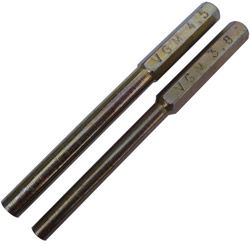
First off, it’s handy to be able to open the games. This generally isn’t 100% necessary, but it’s insanely helpful if you have grime in the cracks between the game’s casing, etc. Additionally, it’s quite useful if you ever want to change your video game’s battery in order to regain saved game functionality. There are two main bits that you’ll want to pick up if you’re a collector. Both of these bits fit into your standard screwdriver handle. Additionally, both game opening security bits can be purchased at our eBay store.
3.8mm Game Security Bit allows you to open your Original 8-bit NES, SNES, N64, and Game Boy game cartridges. If you’re an old school Nintendo game collector like me, this is a must have.
4.5mm Game Security Bit allows you to open your Super Nintendo, Nintendo 64, and Game Cube consoles. Additionally, it?ll allow you to open your Sega console and Sega Genesis & Mega Drive game cartridges.
CLEANING THE OUTSIDE OF YOUR GAME
First things first, grab a couple rags and your favorite cleaning supplies.? As you’re looking around, here’s what I suggest:
Tools: Rags, Old Tooth Brush, Blow Dryer, Security Bit
Removing Dirt: Spray a rag with Windex or some similar sort of cleaner, and start scrubbing that plastic.? Just be careful not the wet the game’s label.? If the label itself is dirty, you can still attempt to clean (with caution).? If the label still has its gloss finish, you’ll probably be ok.? If it’s more of a worn and faded matte finish, be especially careful. Oh yeah, you can use a dry or slightly moistened old tooth brush to clean dust and grit out of those harder to reach places on the cartridge.
Removing Magic Marker: It’s pretty common to find a person’s name written in magic marker on old games.? People did this to prevent games from getting mixed up during sleepovers, etc., but it’s a big eye-sore now.? Your main two tools for removing magic marker are magic erasers and rubbing alcohol.
Magic Eraser: If you’re using a magic eraser, just lightly moisten it, and start scrubbing.? Since this is basically a specialized sponge, be careful not to let the water run from the sponge onto anything that might be damaged.
Rubbing Alcohol: If you’re going to use rubbing alcohol, just moisten an area of your rag, and start rubbing the ink/marker covered area. Given time, these two methods should remove most marker and probably any nearby dirt.
Removing Stickers & Tape: Lots of game stores & rental places put stickers on games. Dealing with these is probably the worst part of cleaning games. Use extra caution (and a ton of patience) when removing with stickers. Here are a few methods for removing stickers:
Peel & Scream: Well, this is the obvious method and definitely the worst one. Sort of like taking off a band-aid, you can grab a hold of that sticker, peel it fast, and pray for the best. Extra prayer is recommended if the sticker is on a label, since prayer is about the only thing preventing this method from destroying the game’s label underneath. In reality, you shouldn’t use this method unless the sticker is on a safe area of the game’s plastic.
Windex: Using Windex you can lightly moisten the surface of the sticker. Let it sit for a minute or two. The Windex should soften up the sticker over time and will let you scrape it away with a fingernail. As a note, this method is extra risky if the sticker is on the game’s label. Additionally, it obviously doesn’t work on waterproof stickers, vinyl stickers, etc.
Blow Dryer: It turns out that blow dryers (aka in man-speak as “heat guns”) are pretty awesome for removing stickers.? The idea is to use hot air to heat up the sticker.? The sticker’s glue generally starts to soften and loosen up when heated.? When done just right, that means you’ll hopefully be able to simply heat and peel off the sticker.? The trick here is tons of patience.? A stubborn sticker may need to be heated, partially peel, reheated, peeled a little more, reheated, etc.? Since thrift stores seem to love using packing tape to bundle items, this method is pretty good for removing that sort of material as well.
Goo Gone: Once the sticker is off, it’s time to get rid of any sticker residue.? Goo Gone is great for this.? Just apply a little to your cleaning cloth and start working on that goo.
If you haven’t already, check out our YouTube videos for cleaning & repair tips.? If you want to clean your game’s internal contacts, check out our internal cleaning guide.? Best of luck as you’re restoring your retro gaming collection, and happy retro gaming!
YOUR METHODS?
I hope this guide will give you some ideas for cleaning your cartridge based video game collection. If you have any cleaning tips or suggestions for this guide, just send me a message or post a comment below, and I’ll be happy to add them.
As with any guide, experiment and find out what works for you. Feel free to check out the Video Game Museum Amazon and eBay stores for rare vintage games and cartridge opening bits. Most of all, happy collecting and have fun!
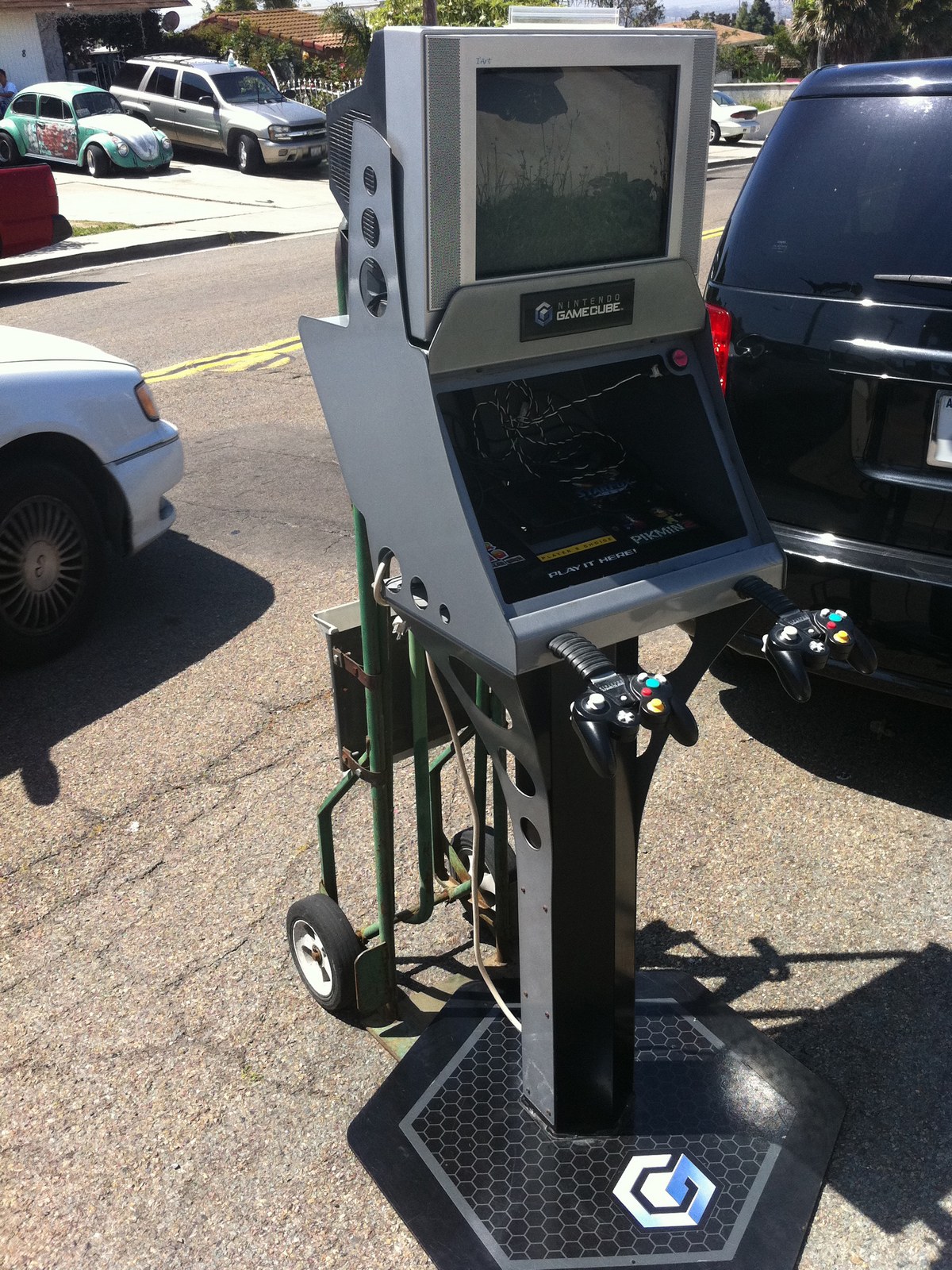
This past weekend, I took a special step in video game collecting. Yep, I bought something that takes up a ridiculous amount of space but that makes up for every inch with awesomeness. I’ve wanted to own a kiosk for the past couple years. Sure enough, I met up with a pretty cool guy (aka BUZZ_N64). We’d met before to trade some games, so his offer to sell me a Nintendo Game Cube kiosk was something I couldn’t put out of my mind. Naturally, it comes with parts not show in that photo (since we were loading it into a vehicle). Inside were a couple magnetic advertising mats covering a cardboard mat. It also included the front plexiglass cover, an advertising topper and side, and, of course, a Game Cube.
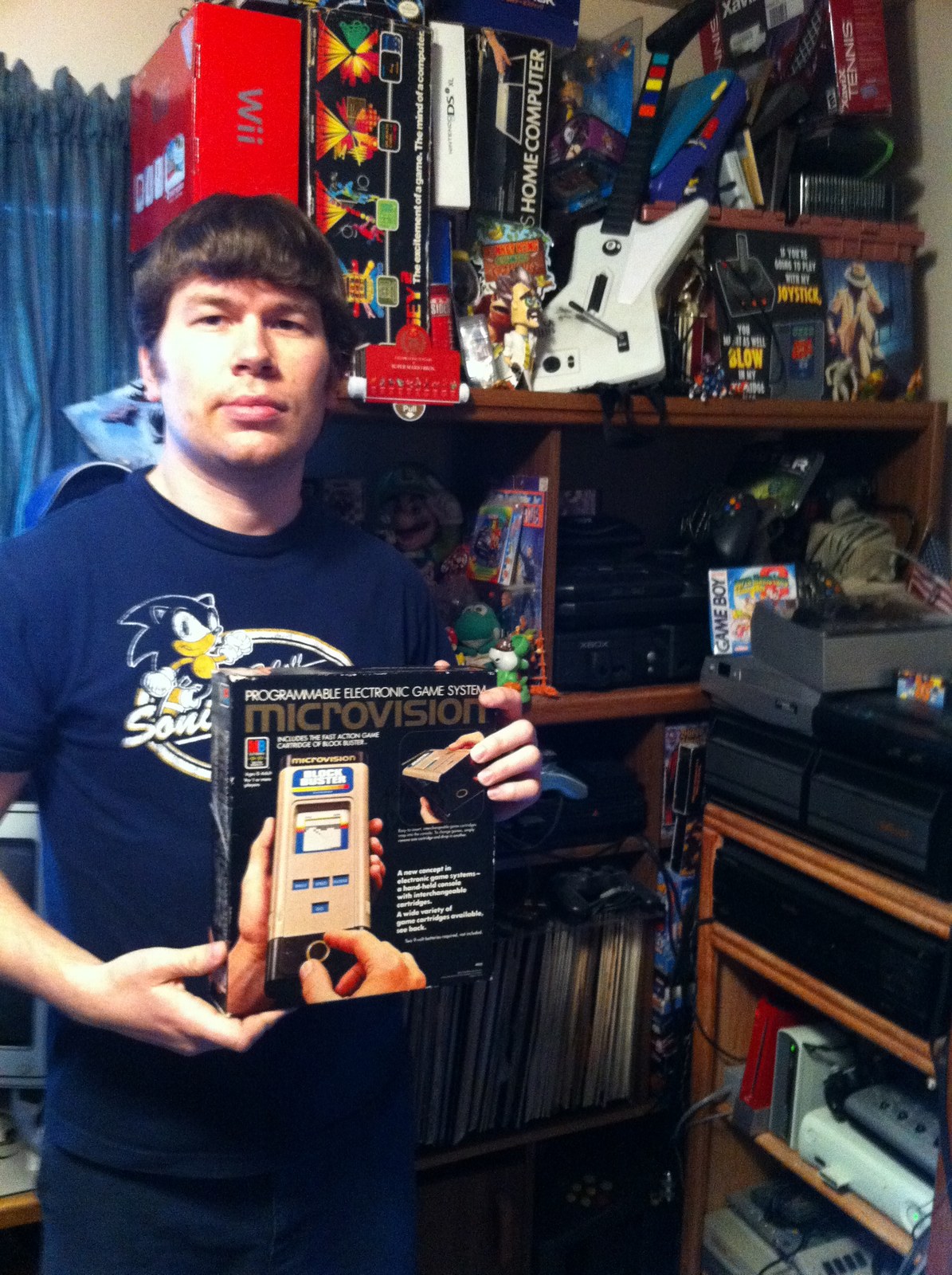
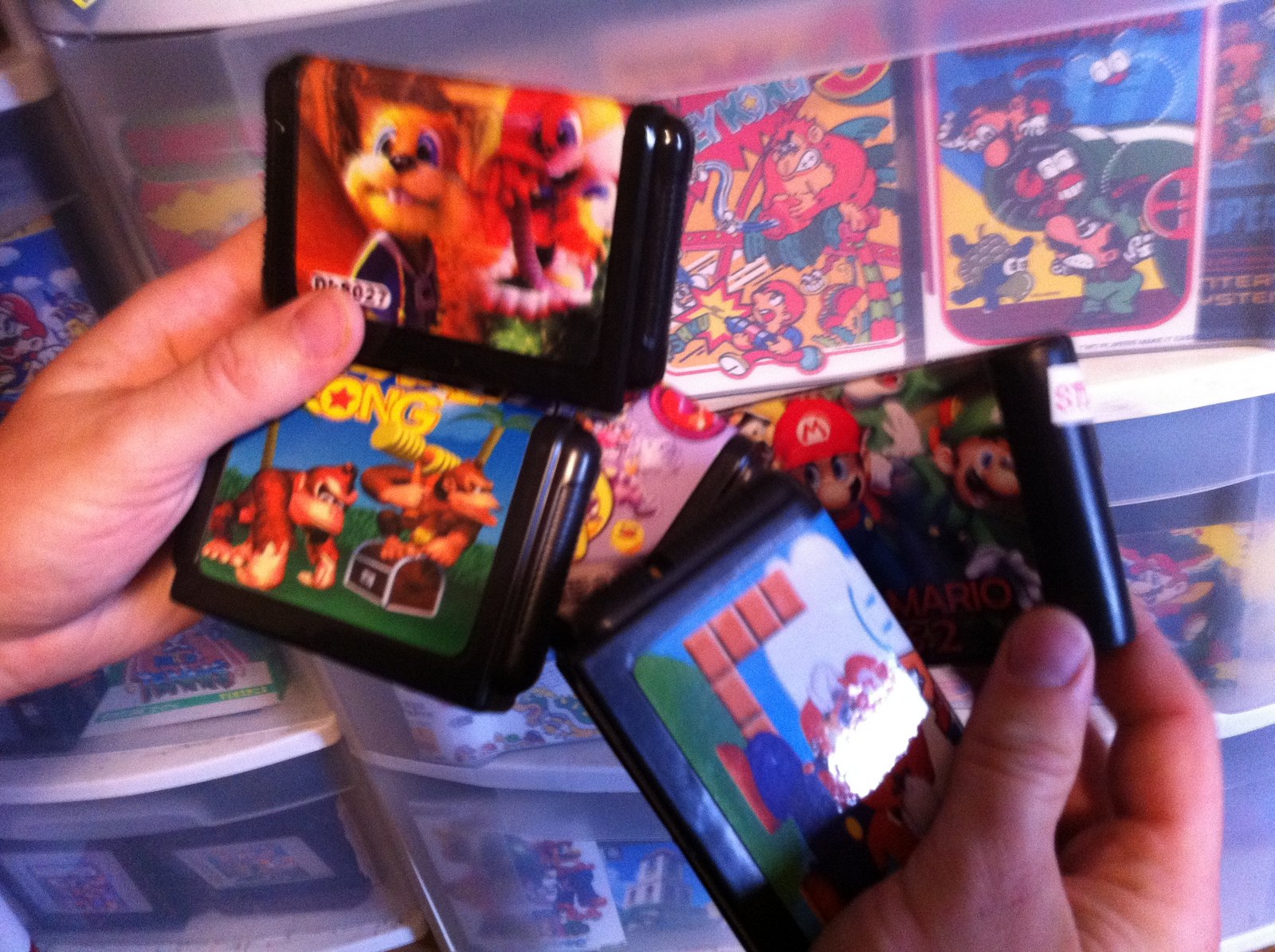
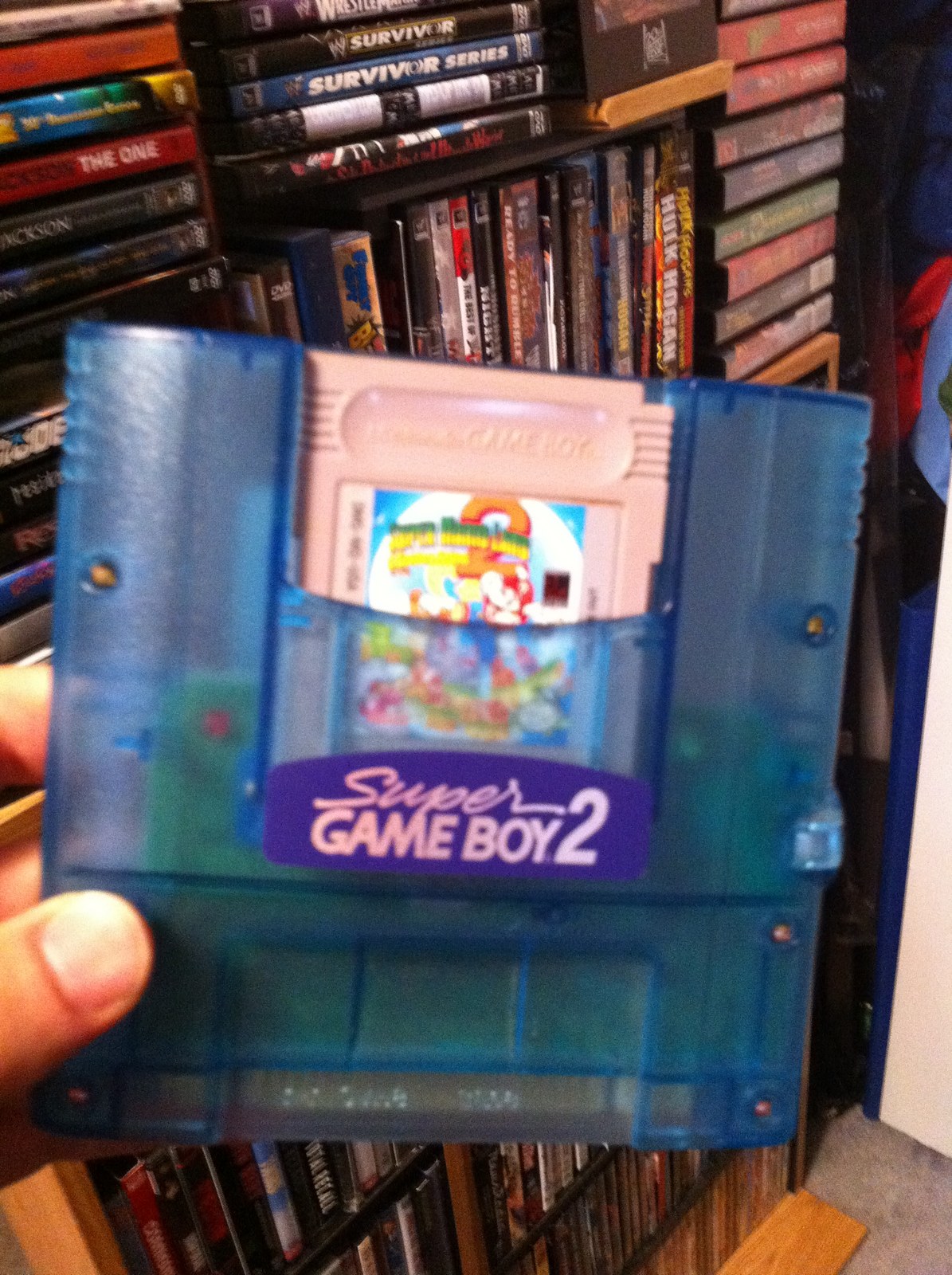
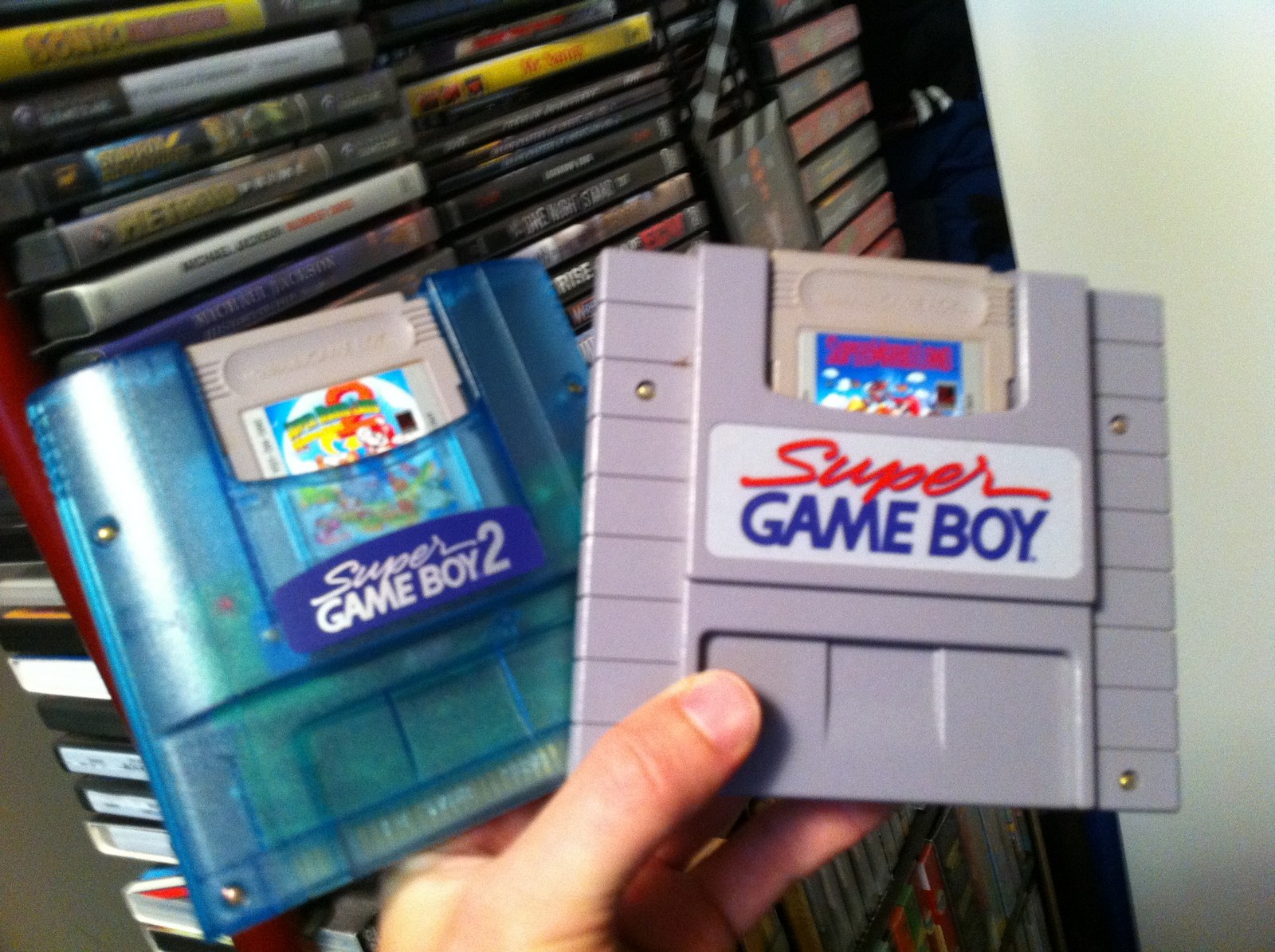
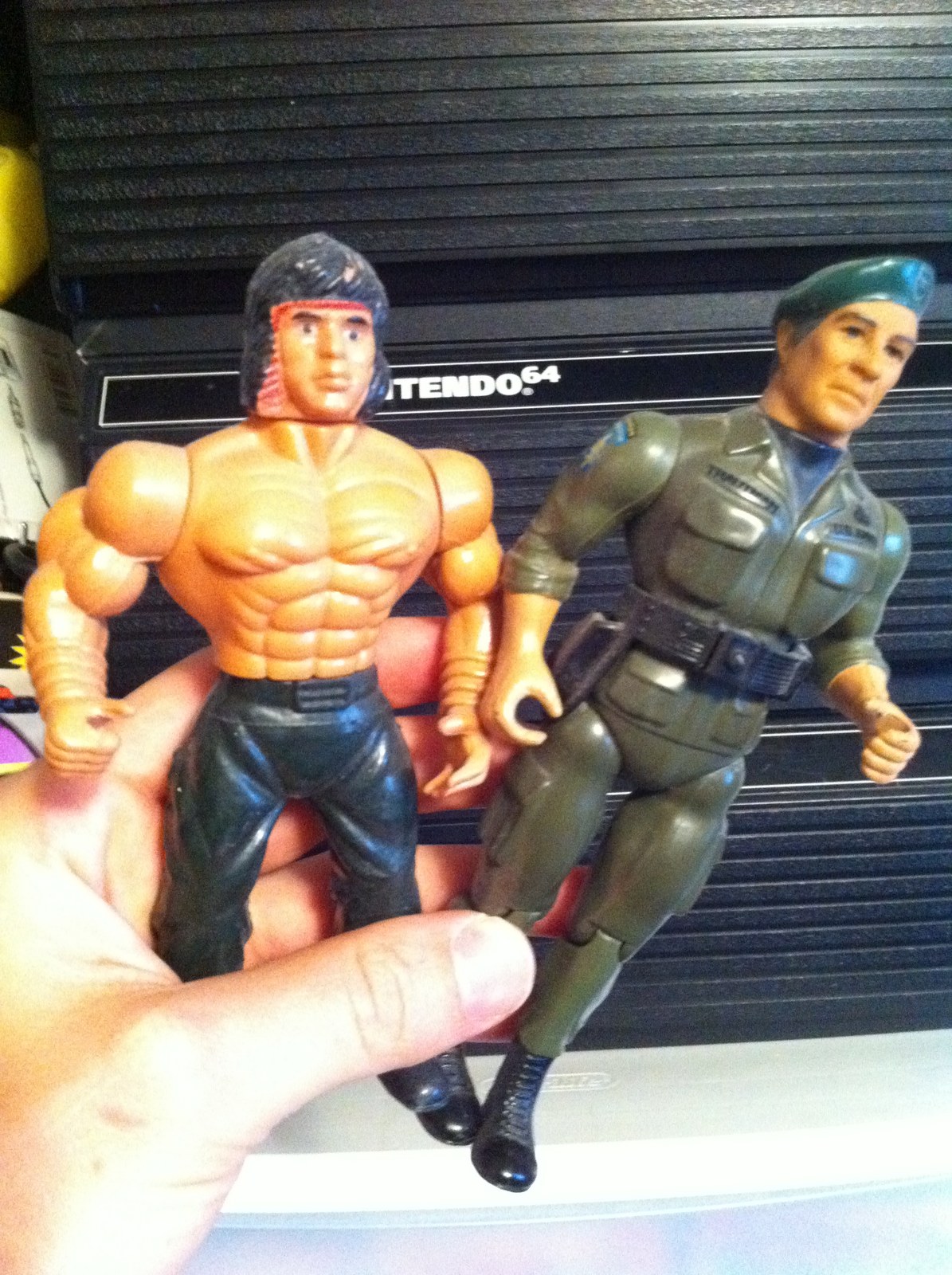
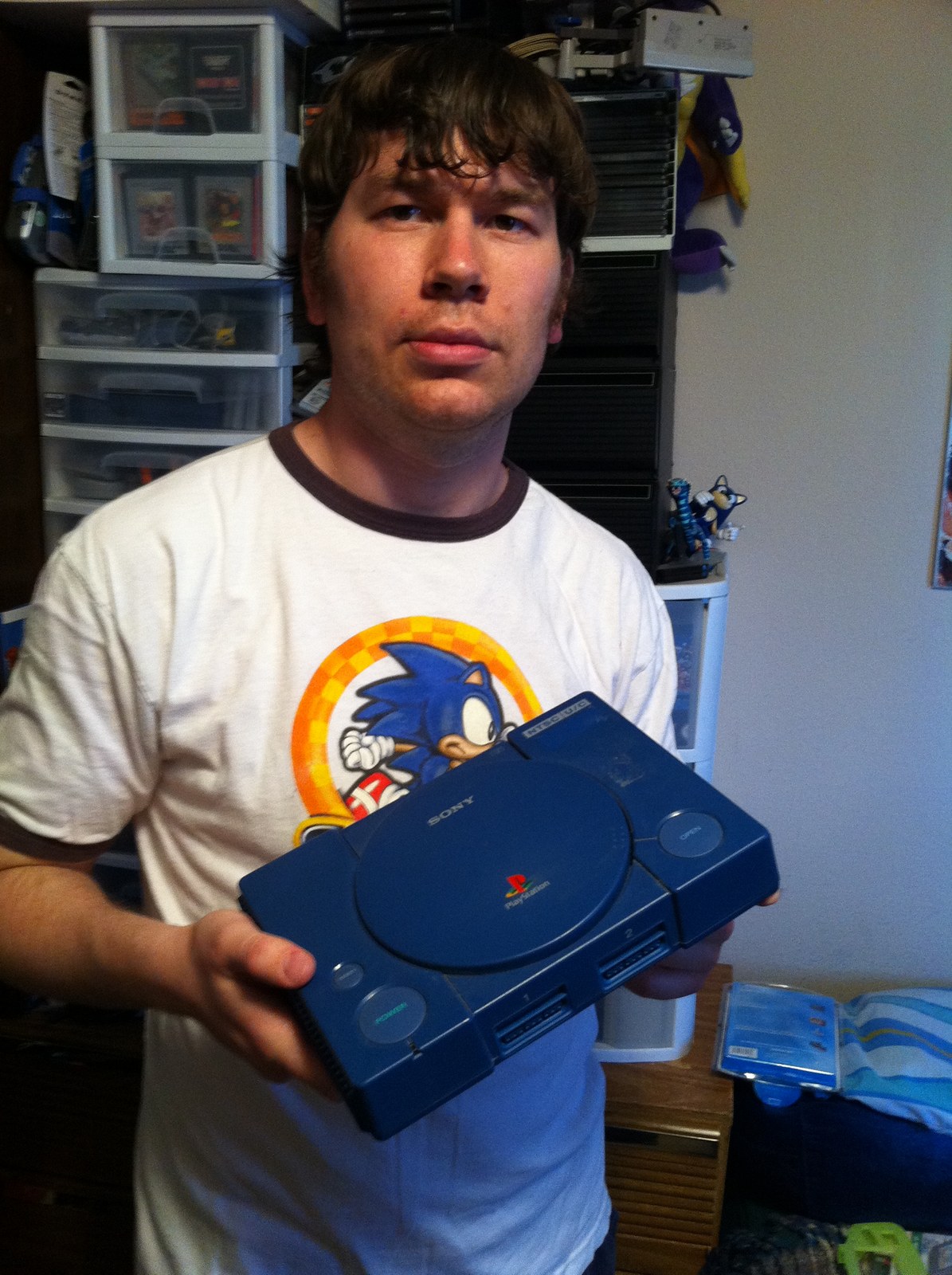
BUZZ_N64 was also cool enough to let me take pictures of his collection. As you can see, he’s mostly a Nintendo & Sega guy. That being said, he has a pretty good variety of gaming systems set up. Plus, I have to admit, anyone who would pick up early Rambo action figures gets about 1,000 cool points in my book. Plus, he’s lucky enough to have picked up a PS1 developer system from a local thrift store! Check out some of the highlight photos below: