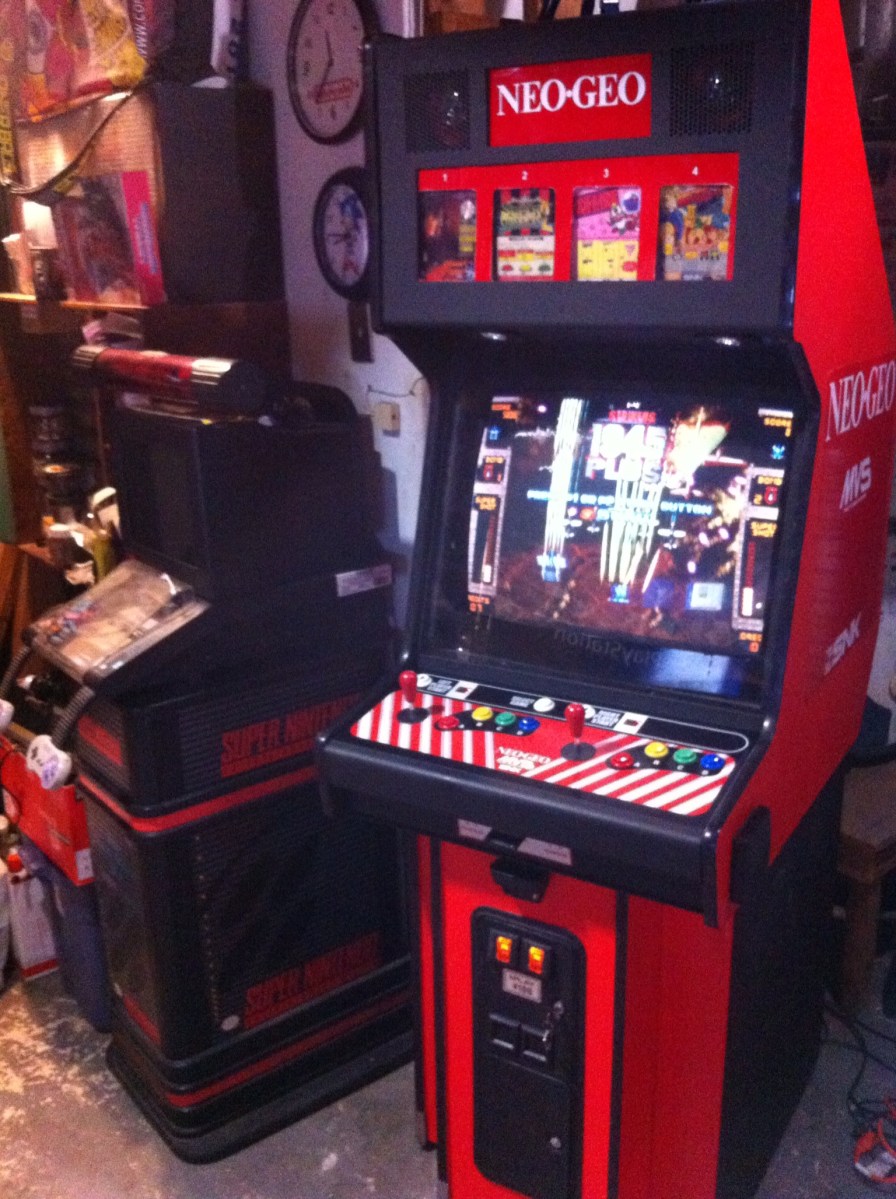
Compared to the Neo Geo MVS arcade machine, my beloved childhood Nintendo seemed like an ant among giants. In the small Michigan town where I grew up, the only arcade in town was at the local roller rink. I was simply in awe of the MVS, and perhaps even more perplexed by the idea that some kid, in a galaxy quantum leaps away, could have a home version of the Neo Geo.
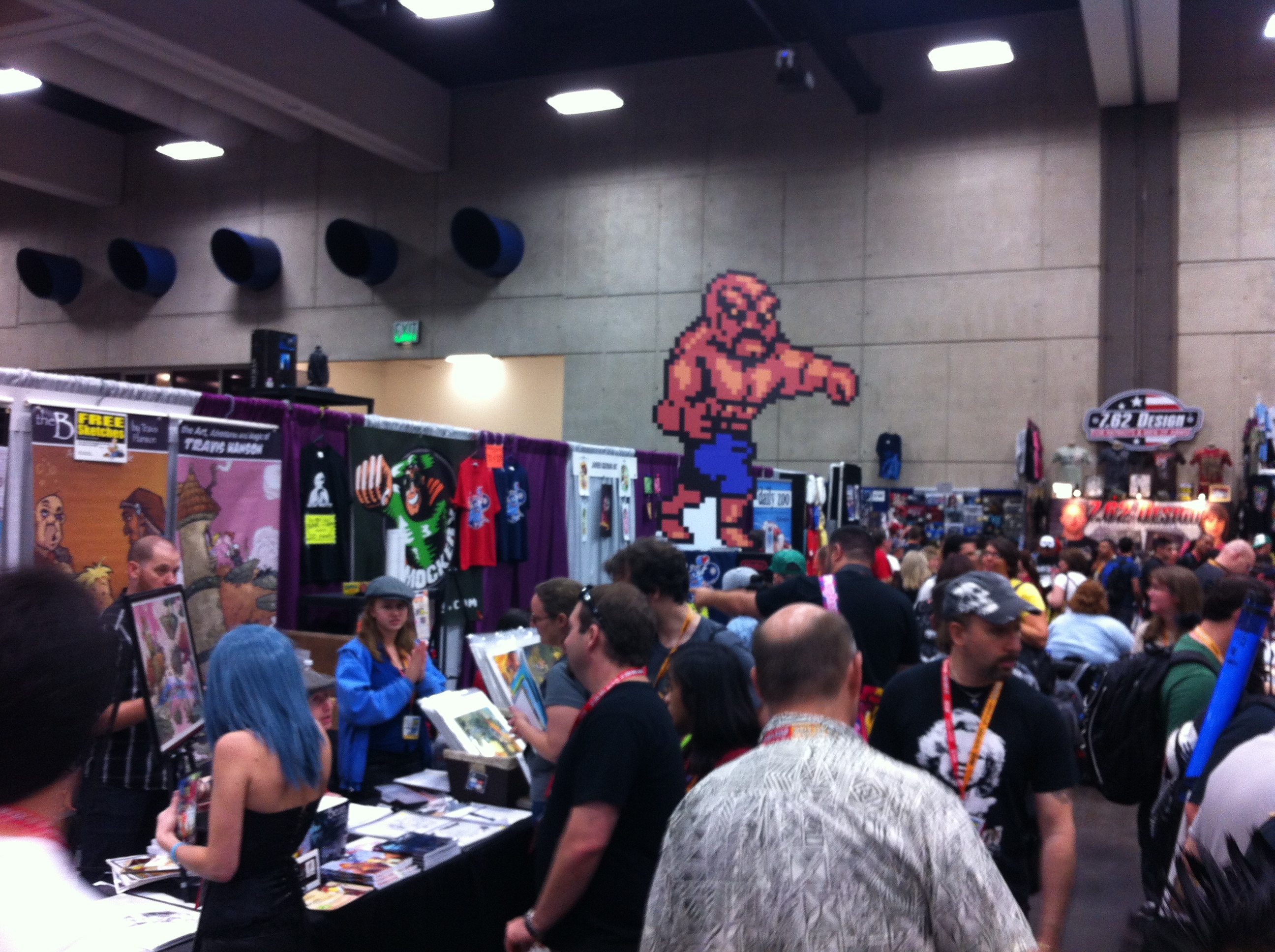
At the recent 2012 San Diego Comic-Con, I was delighted to meet Jason Rau! Not only does meatbun.us create fantastic retro gaming themed clothing, but Jason Rau is also one of the few people I’ve met who had a Neo Geo AES as a kid / young adult!
Check out this video if you also dreamed of owning Neo Geo’s home version and if you’d like to learn about the radness that is MeatBun.us. These guys make some pretty stink?n creative retro-gaming-inspired art?that conveniently takes the form of lovely t-shirts.
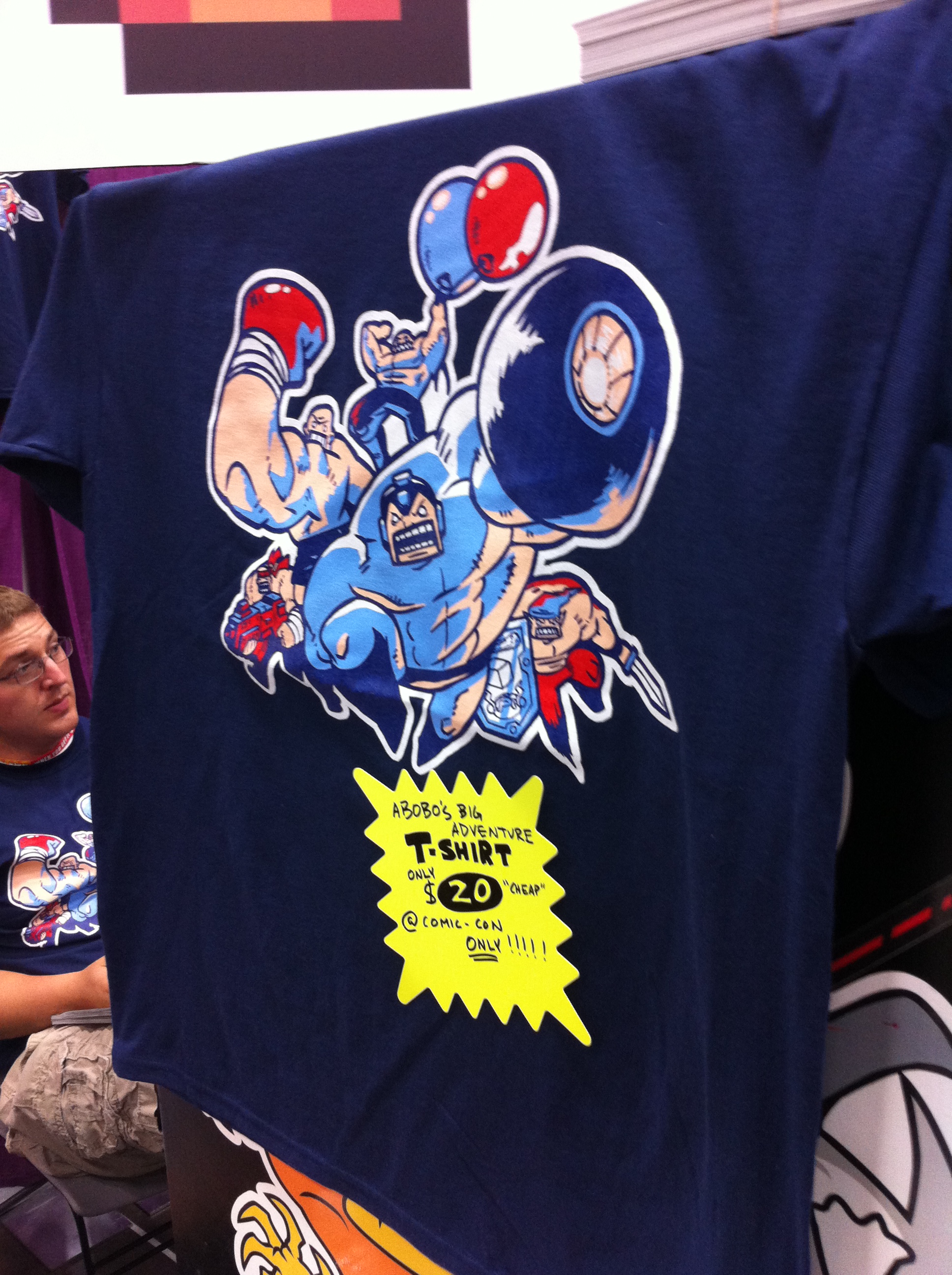
So, you’re playing Double Dragon and get thumped on by a big dude named Abobo…
Do you lie awake wondering about Abobo’s back story? Do you ask yourself if Abobo is actually ALSO fighting to save someone he loves? Do you daydream about whether or not Abobo could fit into a Megaman suit or about whether or not he could hold his own as one of the Contra guys?
Well if you’re answered “YES” to any of these questions, you’re not alone! All the answers and more lie within Abobo’s Big Adventure!
Seriously, who would be crazy enough to rewrite NES gaming history around the Double Dragon character Abobo?! Clearly insanity and brilliance go hand in hand, because Abobo is both bad & rad enough to knock the socks of the 8-bit generation!
Our thanks to Nick and Roger from?Abobo’s Big Adventure for doing an interview with us at the 2012 San Diego Comic Con!
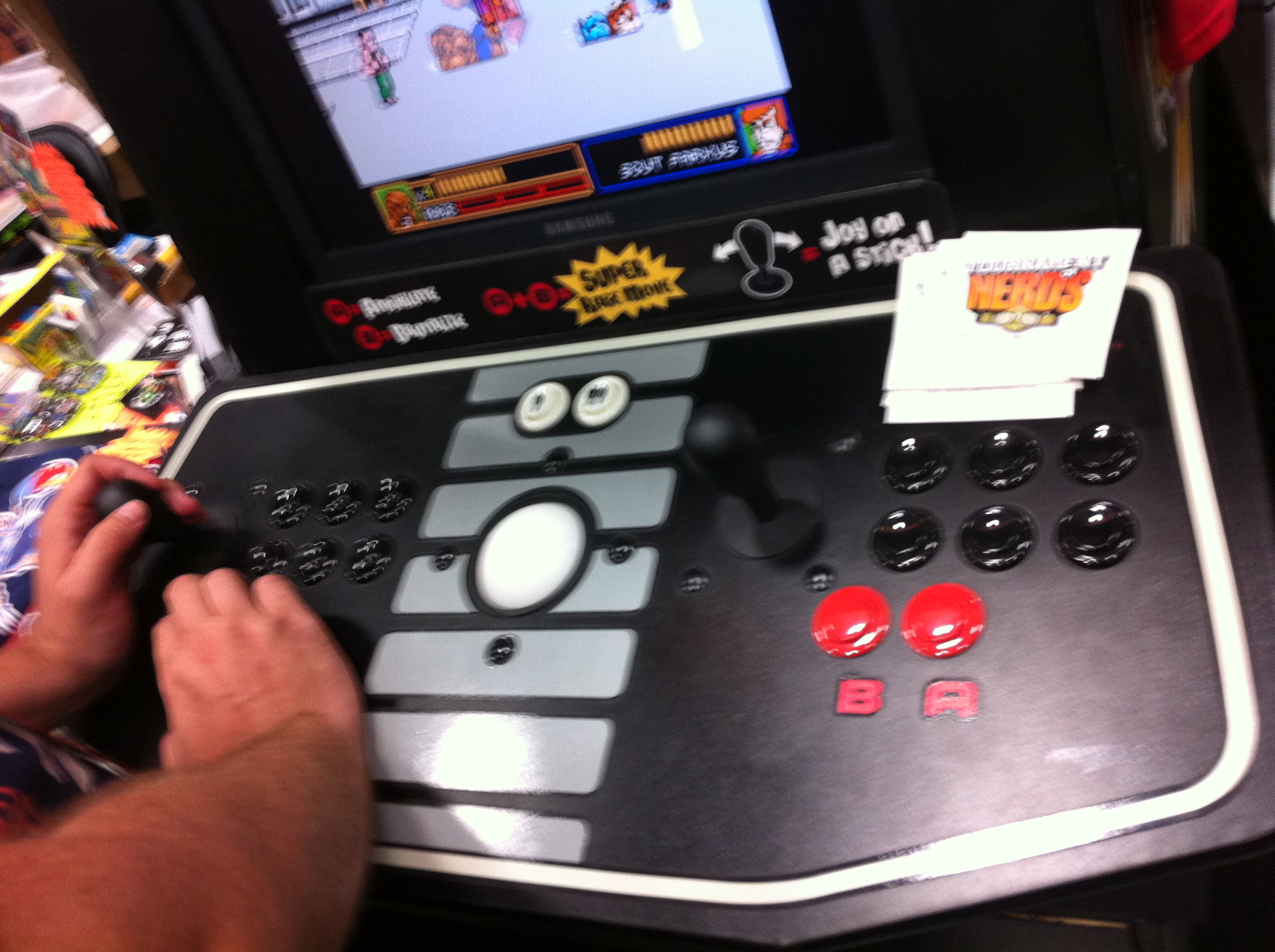
Interested in building your own Abobo’s Big Adventure arcade cabinet?? These guys were kind enough to include instructions here.
Any X-Men fan knows that Magneto+metal makes for a pretty serious foe?one that very few of us would be crazy enough to tackle.? Given pinball machines? usage of steel balls, that makes him a nearly perfect villain for Stern Pinball?s newest machine.? Not only is it X-Men themed with great graphics, but its play field seems to consist of tons of great Magneto themed game play twists!? While thumping away as our favorite super heroes, we experienced enough challenge to keep pinball wizards busy at their local bar, arcade, or in their beloved game room for hours.
Additionally, I’m not sure which impressed me more, seeing a new X-Men pinball machine or realizing that Stern Pinball is still dedicated to developing new machines.? It was great to meet Waison (Go Blue!) at the 2012 San Diego Comic-Con.? You’ve got to hand it to these guys for keeping pinball alive and growing!
Growing up in small-town America, the local roller rink was a kid’s dream. Not only could we roller skate to Ghost Busters and fall dead to a weird “Dead Bug” song, but it was the only place in town with an arcade.
The Neo Geo Romance Begins
In an era dominated by the beloved NES, arcade machines stood tall and maintained command of our curiosity and our quarters. Within the dazzling array of arcade machines, the Neo Geo created a lasting impression on me as a 10 year-old. Not only could this machine produce deeply rich visuals, but it provided fantastic, engaging game play!? Just as incredible as the Neo Geo was, we kids were equally intrigued by the idea that some rich kid could own a home version. Yet with a price tag of around $650.00, we kids simply placed the Neo Geo into the ethereal category of unattainable gaming systems.? Naturally, that made us all the more attracted to it. It was the holy grail, and the closest we’d ever come to owning a Neo Geo would be to plunk in our quarters and to buy a few minutes of time in front of our local Neo Geo MVS arcade machine.
Some twenty years later, with that same childhood dream still smoldering in the subconscious, I decided to start looking for a Neo Geo. After doing a bit of research, I realized that the Neo Geo MVS was a bit more reasonable to purchase than the home AES version.? Sure it’s a full sized arcade machine, but price and game selection won out! Armed with my trusty Craigslist app, I checked for Neo Geo items every day for about a six months before pulling the trigger…and I couldn’t be happier!
Apparently this particular MVS had a tough life in east county San Diego. However, the previous owner Lou took incredible pride in restoring this machine: painted, new decals, new joystick, buttons, plexiglass, locks, etc. Heck, he’d even added high-end cup holders to the sides (‘atta boy!). The price was right, and Lou was even cool enough to help set it up once a buddy and I trucked it over.
Moving the Service Panel
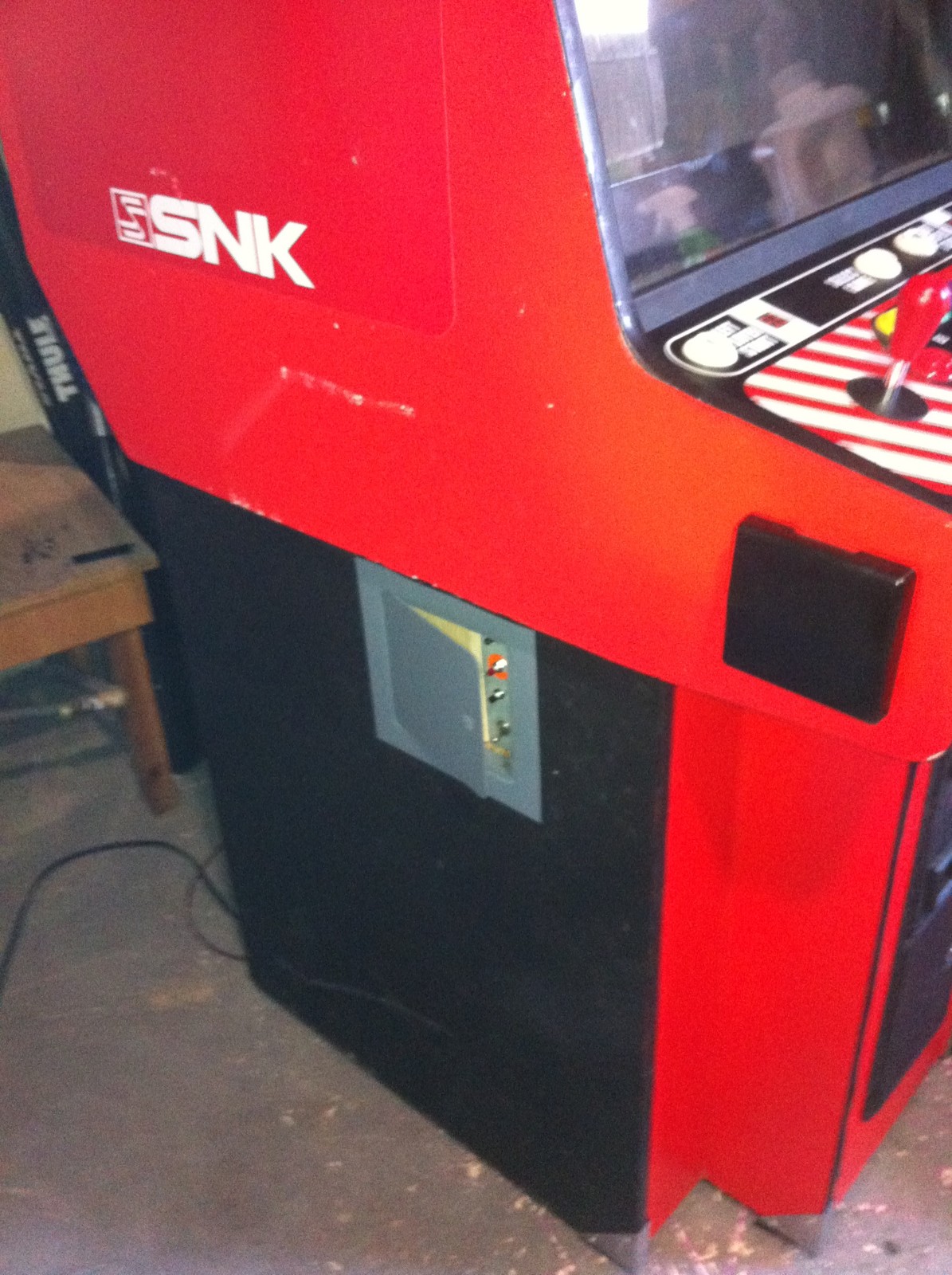
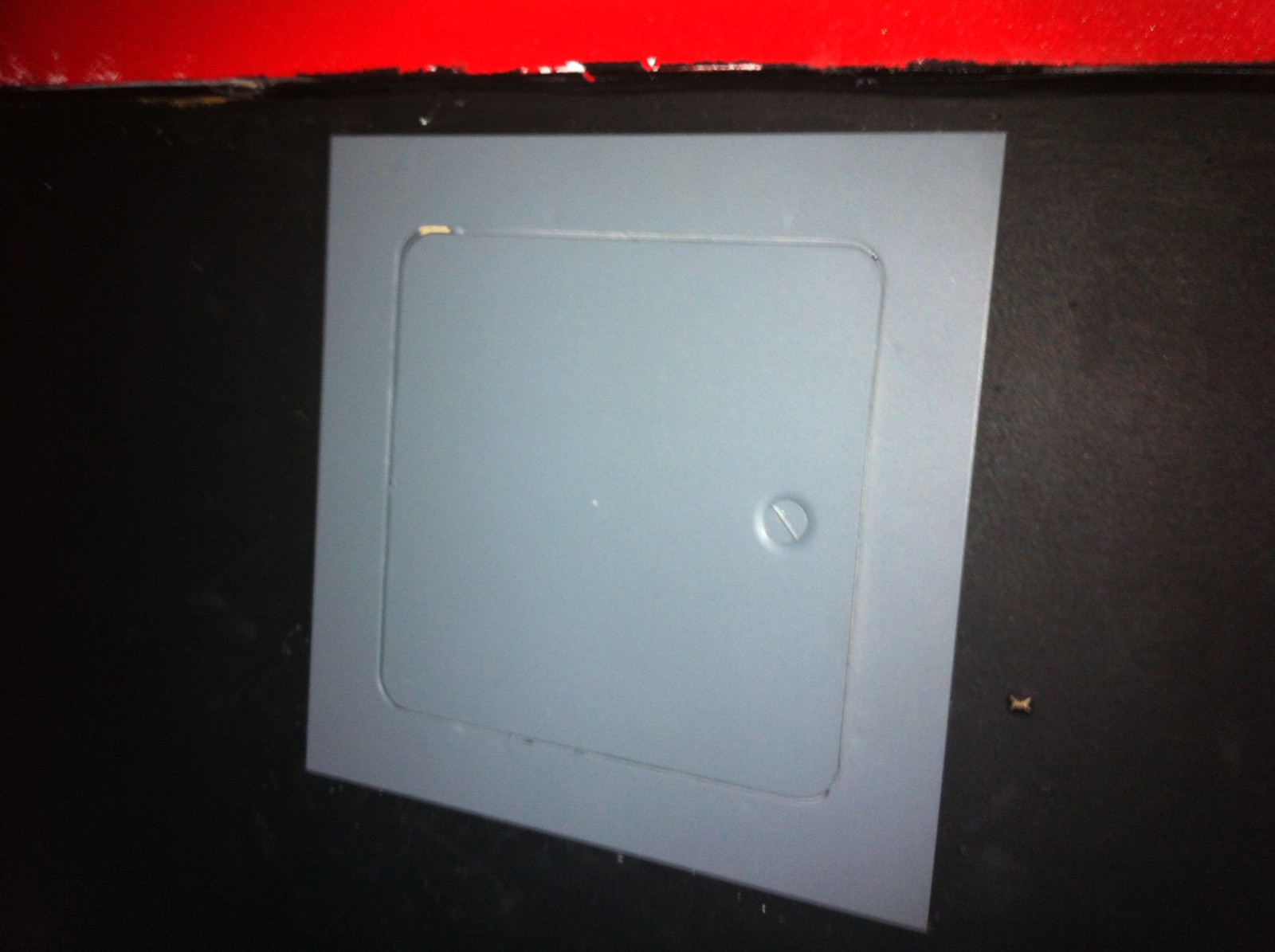
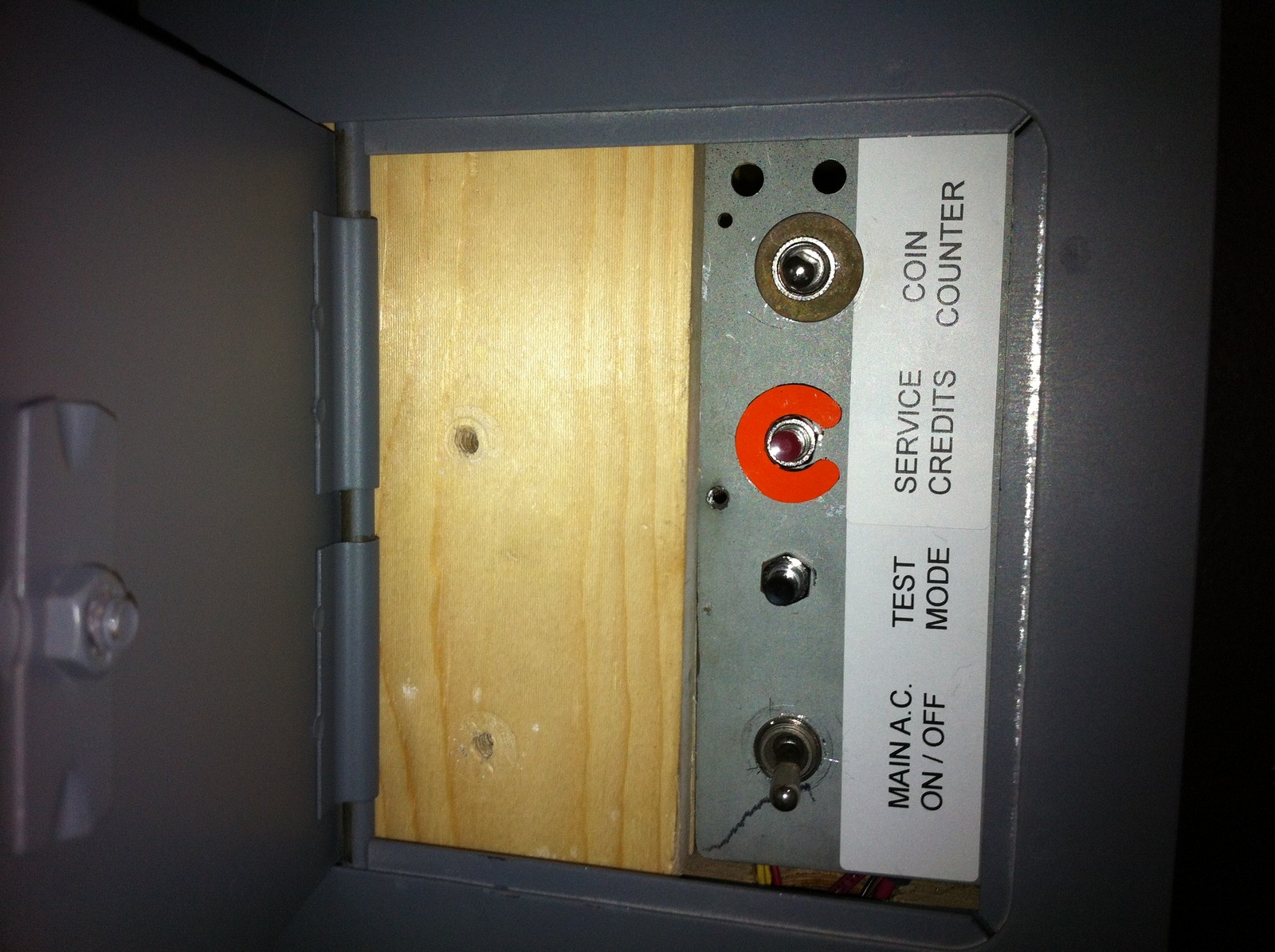
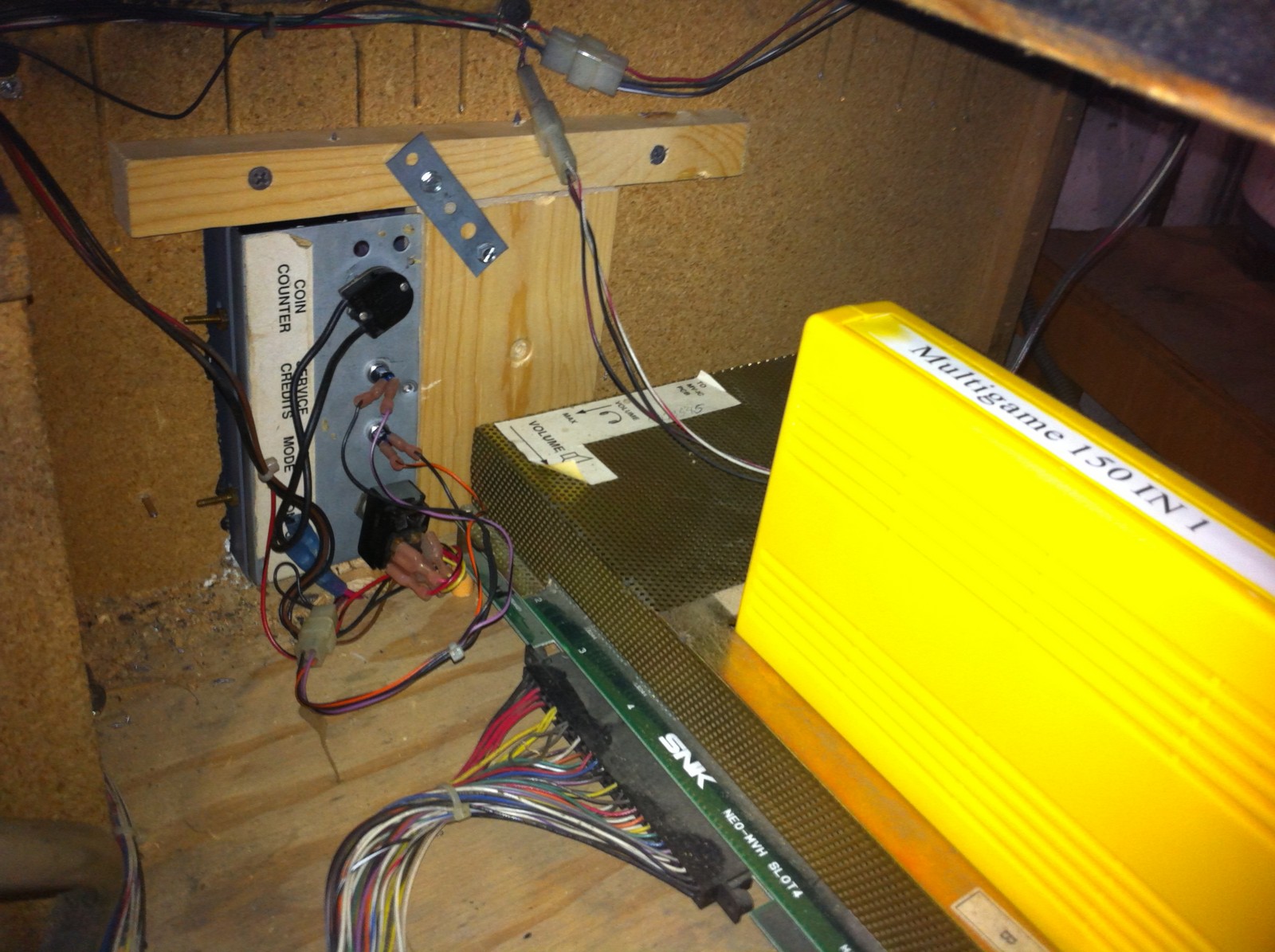
One mod that Lou hadn’t finished was the service panel mod. He had cut a 6″x6″ hole, moved the service panel to the side, and horizontally mounted it. The hole was cut quite well actually, so the door he recommended I order worked quite nicely.
Due to the depth of the door, I had to flip the panel’s mounting bracket inside out and mount it vertically so that it wouldn’t hit the door. Aside from my questionable paint job, it came out quite nicely…so pretty.
Lessons Learned
1) I seriously need to work on my painting skills.
2) Having purchased and collected countless retro gaming items and having experienced the onset of buyer’s remorse more than a few times, I have to say that my MVS has become a favorite purchase and a solid continued sense of entertainment!
3)? If you buy an MVS, introduce your wife or significant other to Puzzle Bobble. It turns out my wife both loves this game and is able to consistently destroy me in it. As they say, happy wife…happy life…and happy collecting! 🙂
Want to repair your Pok?mon Game Boy Color cartridge?? Here’s our super easy guide for fixing your game and getting it to save again.
FAQ
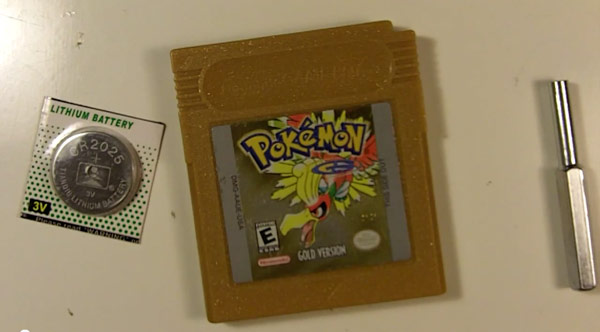
Q: Why can’t I save my game on my old Pokemon Game Boy Color cartridge? A: Before game systems saved games on flash memory and hard drives, games relied on lithium batteries to maintain saved games. Unfortunately, when that battery dies, so does the saved game. It’s sort of like taking the battery out of your watch. Once the battery is gone, the watch loses the time.
Q: My cartridge lets me save the game, but when I turn it on later the saved game is gone. Is my battery dead? A: Yes, without a working battery, the game will attempt to save and then lose the saved game data after you power off your Game Boy. Bummer, huh?!
Q: My battery is dead. Will replacing it restore my saved game? A: Unfortunately, when the battery dies, your saved game files are lost.
Q: My battery is old but still working, is there any way to switch the battery without losing the game save? A: When you remove the battery, your saved game will be lost. If you’re thinking about putting in a fresh battery, you should back up your saved game to a device like a Mega Memory Card.
Q: What size battery do I need? A: Most likely, if you’re replacing a battery for a Pokemon Game Boy Color cartridge, you’ll need a CR2025 Lithium battery. However, some cartridges originally used a CR2016. When you remove the existing battery, you can check its labeling or for battery size information stamped on the board next to the battery.
Q: Does this repair work for Game Boy Advance Pokemon games on the GBA? A: Yup, you can use the same method to repair Pokemon games for the GBA and GBA SP. These include Pokemon Ruby, Sapphire, and Emerald versions.
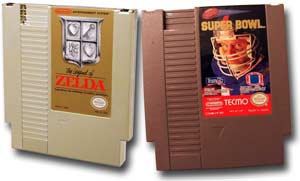
Q: Does this repair work for games of other systems? A: Yes, you can use the exact same method to repair games for the Original NES, Super Nintendo, Nintendo 64, Sega Genesis, Game Boy Advance and other older cartridge based games. This is especially helpful if have an original Nintendo Entertainment System and want to fix your Legend of Zelda, Dragon Warrior, Final Fantasy, or Tecmo Super Bowl carts. There are way too many games that use batteries than we can list for these systems. If you have one with a battery, chances are this method will work just fine.
Q: Why do you use a solderless method instead of soldering the batteries back into place? A: Most people don’t know how to solder and don’t have any friends who do either. While we admire those people who can restore their games through the process of soldering, we want to teach this simple and effective method that most anyone can do. In our opinion, our no solder method involves less risk of having a person who is new to video game repair hurt themselves or the game cartridge. Plus, we’ve been pretty happy with the success of the no soldering method.
Q: Do I really need a security bit to open my cartridge? A: Using the correct tool is definitely the easiest and safest way to open your cartridge. However, others have gotten creative in using thin needle nosed pliers, tweezers, and even modified Bic Pens. I’ve even heard of a guy (@roxas8137) using a Dremel tool to carve a flat slot in the screw for a normal screwdriver. We suggest getting a security bits since they’re cheap, easy to use, and have lowest risk of scratching or damaging your game.
Q: How long can I expect my battery to last? A: The easiest way to figure this out would be to take the year the game was released and to subtract that from the year the battery died. Speaking in broad terms though, the original batteries in games like Pokemon Gold (generally using CR2025) seemed to last 10-12 years or more. Amazingly, original batteries in The Legend of Zelda NES cartridges (generally using CR2032) have been know to last 25+ years! Everything seems to depend on the size of the battery (larger CR2032>CR2025>CR2016>CR1616 smaller), the quality, and the amount of drain placed on the battery. Regarding drain, games with a continuous clock or items like a Dreamcast’s VMU are always drawing power from the battery. However, a Legend of Zelda Cart simply uses its battery to maintain the saved game. If you replace your battery, it won’t last forever, but you can probably get a good number of years out of it.
Q: Can I put a CR2032 battery into a game that previously had a CR2025? A: I typically like to replace with the exact same battery type that it originally used. Both the CR2032 and CR2025 are 3V batteries. In my understanding, the only difference is that the CR2032 is 3.2mm in thickness and the CR2025‘s is 2.5mm in thickness. Additionally, the CR2032 should give longer battery life. Proceed at your own risk if you’re going to mismatch batteries as clearance might be an issue.
Q: I tried to replace my battery, and it isn’t working. What did I do wrong? A1: Make sure that the battery is in correctly (Positive matching + and Negative matching -). A2: Sometimes it helps to wrap a thin strip of electrical tape around the edge of the battery. This can help to prevent a metal contact from touching both the battery’s positive and negative sizes simultaneously. A3: Try cleaning the game and board. The metal contacts most commonly need cleaning. We suggest using a Qtip or cloth dampened with rubbing alcohol or WD-40 to clean the contacts.
Q: Do I have to use electrical tape? A: Electrical tape is nonconductive (does not conduct electricity) and is quite inexpensive to purchase. If you don’t already own some, we strongly suggest purchasing some from your local hardware store.
Q: I broke one of the brackets off. What do I do now? A: Bummer, but you’re not out of luck.? You’ll need to solder it back on.If you do some searching on YouTube, you’ll find videos showing you the soldering method.
Philips = Philips head screwdriver Tri-wing = Tri-wing head screwdriver 1Bit may not be long enough to reach screws without removing plastic 2Works for most games 3Check game’s internal circuit board to identify the battery needed. It should be labeled either “CR2025” or “CR2016“. 4The Sega Dreamcast’s VMU requires the use of two (2) CR2032 batteries.
Additional Info: See our video cleaning and repair guides for our favorite methods for easily cleaning and repairing your retro gaming collection.
Sharing: You are welcome to share this chart in unedited form so long as you offer credit linking to VideoGameMuseum.com
Feedback: We would love your feedback!? Please send feedback and suggestions to mark{at}videogamemuseum.com simply comment below.
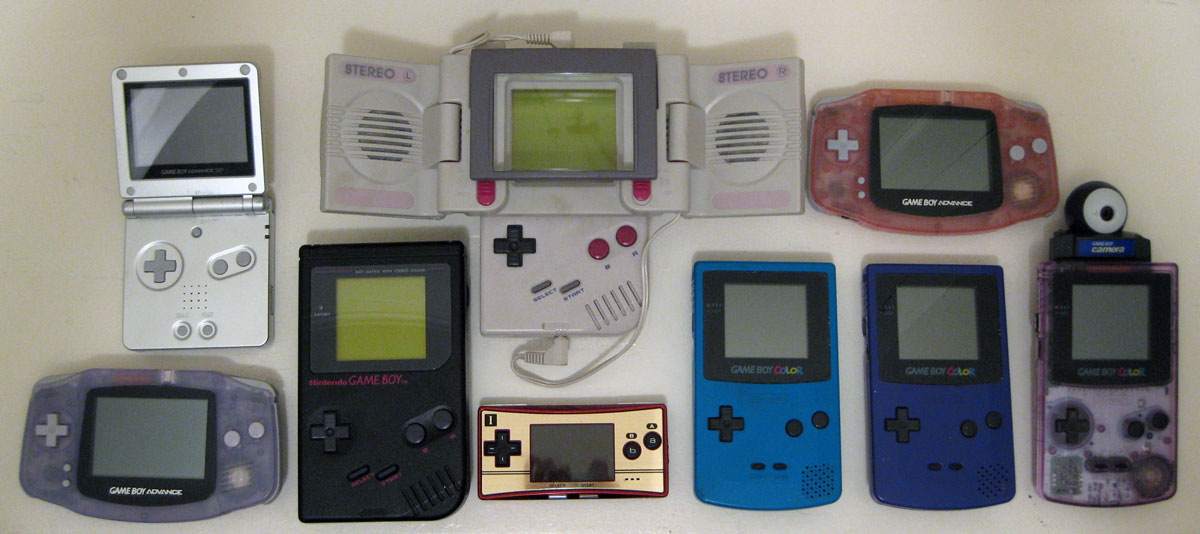
With the great development from Nintendo DS in the 2000s, handheld gaming continues to be a major force within the entertainment industry. The successes of today’s handheld platforms pay great tribute to the consoles that once dominated our lives, such as the Game Boy and the Game Gear. Sales on smart phone applications, PSP Go and Nintendo 3DS games continue to play a large role in the overall market for video games. A look back over the years proves that there have been plenty of different styles on the way to the current state of handheld gaming and just how far the sector of the market has come.
Milton Bradley released one of the first handheld gaming devices back in 1979 with the Microvision, a large machine with a black and white LCD screen. The system included ready-to-go versions of paddle games and limited play, which led to relatively poor sales. Even though it didn’t stick around, the system was used as a model for later designers of handheld games.
Throughout the mid 1980’s there were a couple more game machines, but none that really stood out. The Entex Select A Game Machine was released in 1981, but was still rather large. It was designed for two players to participate and was usually played on a table where both could sit down and see. The machine contained a vacuum fluorescent display which led to a number of sight issues and a limited amount of video games ultimately had a major effect on its downfall. In 1984, the Epoch Game Pocket Computer set the track for some future systems. It had a black and white LCD display which used cartridges. It was released in Japan, but failed to truly gain any steam, leaving the market open for others.
Before Nintendo really turned the handheld market in its favor, they developed the Game & Watch in the early 1980s. These platforms are particularly interesting because of their striking resemblance to today’s current DS line. Individual games were released with their own LCD screen, as well as a clock and alarm. Over 60 game & watch titles were developed, as Nintendo has clearly taken strengths such as the dual screen and flip style formatting to develop their popular line today.
The industry was revolutionized in 1989 when Nintendo released the Game Boy platform. It had a long battery life, as well as a number of games available. With over 100 million units sold after its original release, Nintendo went on to develop Advance, Light and Color versions later in the 1990s. With the upgrades made to the line, it became one of the longest running video game systems in history.
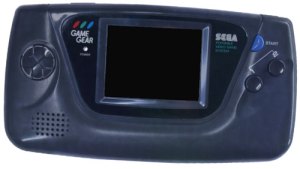
The Game Boy’s main competitor came about in 1990 when Sega released the Game Gear. Even though Atari ($179.95 Lynx at launch) and NEC ($249.99 TurboExpress at launch) had attempted to build systems to compete with Nintendo, they were largely unsuccessful. The Game Gear came in color and was considerably inexpensive with an initial price tage of $149.99 at launch. Also pushing its popularity was the fact that the Sega Genesis was widely popular at the time.
The mid 90s saw another release from Sega with the Genesis Nomad in 1995. This came at a rough patch for Sega, when it had a number of other releases on the market. The system was one of a kind in that it actually played the same cartridges as a Genesis did, allowing for multiple platform game usage. The Nomad was widely ignored upon its release, leading to poor sales.
Nintendo developed the Virtual Boy in 1995 as the first video game console with true 3D graphics. While larger than most handheld systems, the Virtual Boy could still be towed around pretty easily. The system used LED pixels for a monochrome display, as well as controller built specifically for 3D game play. Unfortunately the reception from the public was pretty lackluster, as many critics panned that the device was ugly and the graphics were subpar.
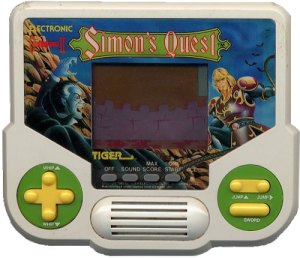
Tiger Electronics started to become a force within the handheld gaming industry early with a series of handheld titles in the 1980?s similar to the Game & Watch. They became hugely successful with individual releases for a number of popular movies and character games throughout the 80s and 90s. These individual platforms were relatively inexpensive compared to other major consoles, making them very popular. During the late 1990s, they began to try and cover other parts of the market by developing the game.com. This was the first handheld console to feature touch display and internet connectivity, but ultimately it fell flat with a lack of titles developed.
The market was saturated with smaller name systems throughout the early stages of the 2000s including releases from Nokia, Bandai and Game Park which were all rather unsuccessful in the United States market. Nintendo released its first non-Gameboy portable device with the DS in 2004. This had two screens including one that was touch controlled. Although first viewed as a failure, the system has gone on to sell millions and stay one of the company’s major products.
PlayStation finally got into the act in 2004 as well with the release of its own Portable device. The PSP was originally viewed as a better product than the DS, but long term sales went against the grain. Even being viewed as somewhat of a competitor, the PSP has still done well sales wise because it still offers some different aspects, especially with updates throughout the last decade.
Today, much of the handheld gaming industry is focused in smart phones and portable music devices such as the iPod Touch. The application marketplace provided by smartphone developers like Apple and Android have allowed for easy access to games that are more than affordable. The availability to games has never been easier than it is now with today’s phones.
Nintendo and PlayStation have been forced to really improve their game play with the widespread availability in the smart phone sector. Nintendo continues to try and spike the initially poor reception of the 3DS by developing more games with online availability into the future. The DS itself went on to success after a slow start, but Nintendo seemed to really miss on the initial price and first party support of the 3DS, hurting its reception.? If they would like to achieve the success of the DS over the long haul, Nintendo will likely have to allow for better virtual sales, as well as firmware updates to help convince gamers that there is value in not just playing games on their smartphones.
“I saw an internet article on the 10 most valuable games in the world. Mine was on it, and it was a prototype!”
Shortly after making that realization, Greg Pabich contacted me at VideoGameMuseum.com and several other forums. The man was on a mission. He wanted to figure out what he had and what he should do with it. Not only was Greg able to confirm that he had a unique prototype, but upon testing it, he also realize that he had an entirely different Cheetahmen game from that which was released on the normal version of the Action 52. He’d discovered the long lost Action Gamer.
While he first contemplated auctioning it off, “The more I became involved in it, the more I learned about the fact that it could be duplicated.” It wasn’t long before Pabich’s entrepreneurial imagination took off. He loved the reaction people were giving Cheetahmen on the internet. “What gets me is that people either hate the game or go peeing-your-pants crazy about it!”
“All I’ve done is taken a game that everyone loves to hate and that isn’t very playable by today’s standards, and I’ve tried to create value and added value. I’ve done everything to make it a full-scale professional game: a nice box, high-end t-shirts, CDs with cheetah music, posters, hologram label, etc. I’ve been working on an entertaining website. I’m trying to tell the story, to convey history, and to entertain people.”
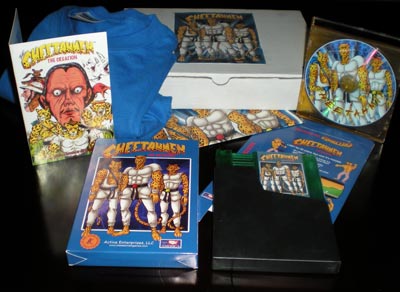
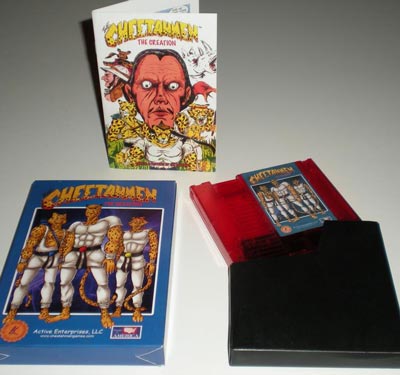
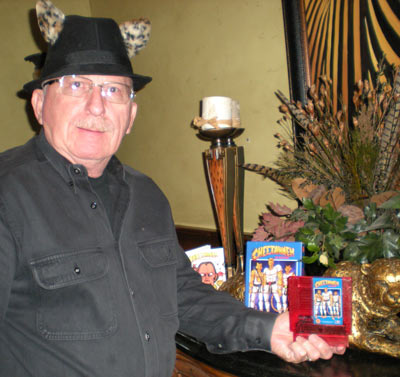
So what exactly has Greg Pabich been working on? Well first off, not everything is finalized. However, he’s put together two purchasable Cheetahmen: The Creation packages: a Special Collector’s Edition and a Regular Edition.
Cheetahmen: The Creation Special Collector’s Edition includes the following:
Factory-sealed game (clear cartridge) and box
Unsealed game (green cartridge) and box
Classic Cheetahmen: The Creation Comic (reproduction)
Cheetahmix Music CD
“Audacious” Cheetahmen T-Shirt (Sizes Large or X-Large)
Cheetahmen Poster (Size: 15″ x 9″, which will be folded in half to fit in the box)
This Collector’s Edition will be limited to a run of 500 sets. Greg explains that the game cartridges, sealed-game box, and outer collector’s box will all have matching hologram serial numbers ranging from 1 to 500.
Cheetahmen: The Creation Regular Edition includes the following:
Factory-sealed game (red cartridge) and box
Classic Cheetahmen: The Creation Comic (reproduction)
Pabich explains that this edition of the game will be limited to 1000 games. These will also be hologram-numbered and will follow the sequence of 501 to 1500.
Perhaps you’ve already preordered one of these sets. But all this begs for a few questions to be answered: Who on earth is Greg Pabich? And what could inspire a person to wrap up his time, energy, and finances in such a project? Is this what Cheetahmen fever looks like?
7-Eleven Game Rooms
I had the opportunity to interview Mr. Pabich last week. Greg explains that he was the marketing manager for 7-Eleven in South Texas during the late ’70s and early ’80s. He helped to develop and market 7-Eleven’s line of popular breakfast burritos. “It had to be something a person could eat with one hand while driving.” It wasn’t long before Pabich made the leap from microwave food to gaming. If you played an arcade machine at a South Texas 7-Eleven, chances are, Pabich helped to put it there. He worked to develop game rooms in his stores. Originally 7-Eleven stores had pinball machines but no dedicated space for them.
“The idea was to get game machines out of the storefront area. We needed a dedicated space for pinball; electronic video games were just coming out. Those were going gangbusters! I added mirrors to rooms, changed lighting, added ash trays, and held game tournaments, which were tied into a Muscular Dystrophy Association. That must have been about 1986 at its peak.”
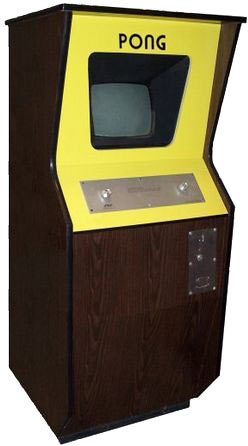
Pabich’s original training wasn’t in electronics, computers, or anything gaming related. “Before 7-Eleven, I got a degree as an accountant and did that for a few years, but I really didn’t like it. As a creative entrepreneur, I wanted to do something more.” Pabich did just that. He purchased a convenience store and built a dozen more. “I was reading an article in Time magazine on Pong, and I was fascinated by it. Atari was out of Los Gatos, CA in 1974 if I remember correctly. There wasn’t any internet or Google. I had to track down someone who knew about it.” Once Pabich got a hold of Atari, he ordered a machine for one of his stores. “The response was weak. People weren’t as enamored with it as I was. I was 10 years too early.” Eventually Pabich pulled the machine from his store and put it in his living room. Sometime after that, he donated it to a school for the deaf. “That was the beginning. Looking back, I wish I’d held onto that arcade.”
Placing Arcades in Theaters
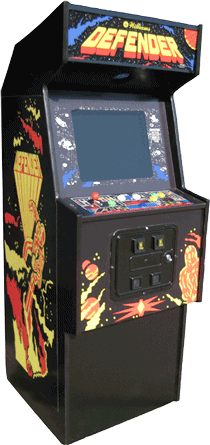
Pabich sold his convenience stores and was hired by a gas station company to convert gas stations into convenience stores. Following that job, he was hired by 7-Eleven as previously mentioned. Pabich was having enough success with the game rooms at 7-Eleven that he started a side business. Pabich got a contract to do the same sort of thing for a theater chain in the Houston, TX area and put games like Defender in the lobby. These were immensely popularly. “Games cost about $2,100, which was a lot of money. But we could generally pay for a good game in about 17 days!” Pabich went on to explain the monetization process. “My company would have a key to open and service the machine. The theater manager would have a key to the coin box, and there was a coin counter inside. That kept everyone honest.” He chuckled as he recounted, “There was one machine that wouldn’t play after a couple days, and the business owner called me complaining. I came over to service it and found out it wasn’t working because it was packed full of quarters. Apparently the same thing was happening all over the place. These were so profitable that Texas limited our payout of machines to business owners to 50%.”
With 7-Eleven’s game rooms taking off as well, the 7-Eleven sold their gaming and equipment portion of the stores to a third-party business who offered to run it. Pabich recounted that the business paid something in the millions-of-dollars range and went under about six month later. No longer managing the gaming rooms, Pabich went back to focusing on his duties as marketing manager. At about that same time, Pabich sold his theater arcade game business.
The Advent of VHS
“We was transferred to Austin in about 1982. My daughter was about seven years old and was having a slumber party. I tried to rent a VCR and a video and it was impossible to do. You had to pay $100 to become a member, $4.95 to rent the movie, $9.95 to rent a VCR, and no one had any of them available. Those were the early days of VHS.” Pabich explained, “If you can’t get anything for love or money and there’s that much demand, then there’s money to be made.”
Pabich found a guy who wanted to place videos in 7-Elevens. “We tried this in two stores. There weren’t many new releases at this time compared to today where new movies come out on video every day. Within a year, there were video stores popping up everywhere.” He kept feeding the idea to corporate. It cost $20,000 to outfit a 7-Eleven to rent movies. Movies had to be purchased new at a cost of $70-90, and “We didn’t have good tracking systems at this time, since there weren’t computer systems or anything for that. Our test stores were doing well. People were renting a movie, buying things, bringing it back, and buying things again: beer, chips, soda, etc. However, at $20,000 times 7,000 stores nationwide (900 in Texas), it was too much money even for 7-Eleven.
Resigning from his job at 7-Eleven with the agreement that he could get a contract for 7-Elevens in Texas, Pabich raised money and found a distributor for used movies out of Portland, Oregon. His new company V.D.O. installed video rental in 200 stores. At the same time, Pabich helped a friend Jerry Welch get a job as president of a similar company Stars to Go Inc.. Pabich eventually took a job working as the VP of Development of that company. “We immediately moved the corporate headquarters to Los Angeles.” He signed contracts for 35,000 convenience stores throughout the US: Circle K, Wawa food stores, some 7-Elevens, etc. “The contract required a minimum monthly payment by the stores. We took that to the bank and financed the contract.” Things were doing well until Black Thursday in 1986 when the stock market dropped. “Our stock dropped from $27 to 13 cents, and Blockbuster went public. I was out of a job in 1987.”
Rags to Riches
Being unemployed, Pabich saw a magazine ad for a guy buying used movies. “I called the guy and asked what he was looking for. I knew used movies were worth about $25 each. Then I contacted a friend who was still at Stars to Go. He said he’d send me a couple pallets of used VHS tapes and that I could pay him once I sold them. Next thing I knew, there were 8,000 VHS tapes delivered on my driveway. They filled the garage. I had no idea what I had, so my family and I manually created lists, collated the lists by hand, and then I called this guy. I Xeroxed my handwritten list and FedEx’d it to him. He wanted to buy them all at $11.25 each! I shipped them all UPS COD and got paid with a cashier’s check. I made $65,000 on the first deal.” In that move his new business Movies & Games 4 Sale was launched!
Pabich must have an understanding wife, because he explained that his next order of VHS tapes filled not only the garage but also his living room. According to Pabich, he then rented a warehouse, which led to a $25,000,000/year business with 127 people on payroll, and a 30,000 square foot warehouse. “Blockbuster was killing mom and pop’s stores. We would buy out inventory from closing stores and resell it to new Blockbusters. Then people started asking for games. I had trouble finding anyone who had a lot of games since that was just getting started.” Pabich approached Babbage’s and encourage them to buy used games. “I felt that people would only buy a car if they could trade in an old one.” They merged with Software Etc which became NeoStar Retail. “I handled their trade-in program, and I was the largest creditor as NeoStar declared bankruptcy. There were bids for who would buy, and I got to put in my preference for Barnes & Noble. They paid me $1.3 million.”? Eventually, Barnes & Noble would create the gaming giant GameStop. According to Pabich, they did so by adopting his model of buying used games. He notes that he also had a buyback program with Toys R Us. “I was the only guy back then who could handle the quantity.”
From Prototype to Collector’s Edition
As perhaps any retro gaming geek would be, I’ve been intrigued by this game, its story, and Pabich’s process of bringing Cheetahmen: The Creation to the light of day. In putting all this together, Pabich explains, “I’ve met a lot of interesting people. The guy who did the commercial did a great job. I have a friend who did the artwork, who did a fantastic job. Most have been quite helpful and positive. Uncle Tusk has handled boxes, comics, posters, box label printing, and game label printing and has done a fantastic job! I was amazed at the quality of his work. RetroZone has handled the cartridges.”
Hearing Pabich’s story, it’s no wonder to me that he managed to meet the infamous Vince Perri and to obtain the earliest known Action 52 prototype. As a reminder, his prototype contains a unique early version of Cheetahmen called Action Gamer. “This game seems to be the turning point at which Vince put real time into the game, developed an idea of franchising a character, comic, and cartoon. I’m trying to capture that.”
Pabich’s history is full of his taking ideas and opportunities and running with them. As I try to put my finger on his motivations for turning his prototype into playable NES cartridges, it seems clear. Pabich is an entrepreneur. He’s a risk taker who isn’t afraid to invest his own money, time, and pride into something as crazy as releasing a new playable Cheetahmen cartridge. Will he sell his 1,500 Cheetahmen: The Creation sets? Are there enough hardcore collectors out there to buy these? Will there be a new surge of Cheetahmen fever?
As a retro gamer and collector, I’m excited to see anything new land itself in a playable 8-bit NES form. Overall, I’m personally fascinated by all of this and am intrigued to see how it all unfolds. For those of you following this as well, it gets better. Pabich is working on more Cheetahmen projects as I write this. Yup, that’s true Cheetahmen fever!